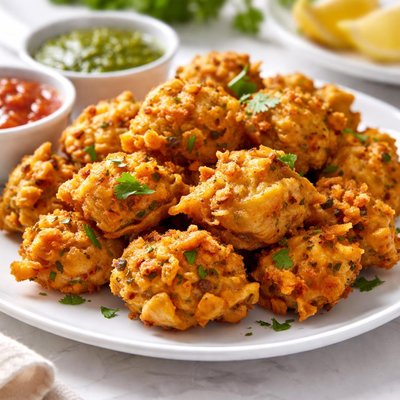
1 serving (100 grams) contains 250 calories, 5.0 grams of protein, 12.0 grams of fat, and 30.0 grams of carbohydrates.

Smart Nutrition Tracking with SnapCalorie

Nutrition Information
Calories |
595.2 | ||
|---|---|---|---|
% Daily Value* |
|||
| Total Fat | 28.6 g | 36% | |
| Saturated Fat | 4.8 g | 24% | |
| Polyunsaturated Fat | 0 g | ||
| Cholesterol | 0 mg | 0% | |
| Sodium | 714.3 mg | 31% | |
| Total Carbohydrates | 71.4 g | 25% | |
| Dietary Fiber | 7.1 g | 25% | |
| Sugars | 4.8 g | ||
| protein | 11.9 g | 23% | |
| Vitamin D | 0 mcg | 0% | |
| Calcium | 47.6 mg | 3% | |
| Iron | 3.6 mg | 20% | |
| Potassium | 476.2 mg | 10% | |
* Percent Daily Values are based on a 2,000 calorie diet. Your daily values may be higher or lower depending on your calorie needs.
Food Attributes
Source of Calories
About Bhajia
Bhajia, also referred to as pakora in some regions, is a popular snack originating from Indian cuisine. It typically consists of thinly sliced vegetables (like potatoes or onions) coated in a seasoned gram flour (chickpea) batter and deep-fried until crispy. Bhajia is often served with chutneys or dips and is popular in Indian households and across East African communities. Nutritionally, it is an energy-dense food due to its preparation method, providing approximately 250 calories per serving. It contains moderate amounts of protein (5g) and fat (12g) with a high carbohydrate content (30g), mainly from the batter and vegetables. Bhajia also offers small amounts of iron (1.5mg), fiber (3g), and calcium (20mg), though its vitamin content is relatively low.
Health Benefits
- Rich in energy, providing quick fuel from its carbohydrate content (30g per serving).
- Contains dietary fiber (3g), which aids digestion and supports gut health.
- Provides iron (1.5mg), an essential mineral for oxygen transport in the body.
Dietary Considerations
Selection and Storage
Bhajia is best consumed fresh for optimal crispiness but can be stored in an airtight container for up to one day. Reheat in an oven or air fryer to restore texture.
Common Questions About Bhajia Nutrition
Is Bhajia high in protein?
Bhajia contains 5 grams of protein per serving (approximately 100 grams), which is moderate but not particularly high. The primary ingredients, such as chickpea flour, contribute to its protein content, but it is not a major source of protein compared to other foods like meat, eggs, or legumes.
Can I eat Bhajia on a keto diet?
Bhajia is not suitable for a keto diet because it contains 30 grams of carbohydrates per serving, which exceeds the low-carb requirement for ketosis. The chickpea flour and potato, which are key ingredients, are high in carbs and make Bhajia incompatible with keto guidelines.
What are the health benefits and concerns of eating Bhajia?
Bhajia provides a good source of energy due to its carbohydrate and fat content, along with 3 grams of dietary fiber which supports digestion. However, it is also deep-fried, making it relatively high in calories (250 kcal per serving) and fat (12 grams), which can be a concern if consumed in excess. Additionally, its sodium content (300 mg) should be consumed cautiously, especially for individuals watching their salt intake.
What is the recommended portion size for Bhajia?
A standard portion of Bhajia is typically around 100 grams, which provides 250 calories. To balance it within a meal, it’s best to pair it with fresh vegetables or a light soup to ensure a more nutritious and balanced intake, especially since Bhajia is calorie-dense.
How does Bhajia compare to samosas in terms of nutrition?
Both Bhajia and samosas are deep-fried, but their nutritional profiles differ. A typical Bhajia serving has 250 calories, 30 grams of carbs, and 12 grams of fat, whereas a samosa (depending on size) tends to have higher fat and calorie content due to its pastry dough. Bhajia, made primarily from chickpea flour and potatoes, may have slightly more fiber but similar overall health concerns regarding oil use.
Data Sources & Scientific References
Our nutrition data comes from trusted, authoritative sources to ensure accuracy and reliability. Below are specific scientific references and authoritative sources for this food item.
Additional Authoritative Sources:
Daily value percentages based on FDA guidelines. Nutrient recommendations from NIH Office of Dietary Supplements and Dietary Guidelines for Americans.
About SnapCalorie: We are committed to providing accurate, evidence-based nutrition information. Our data is regularly updated to reflect the latest research and USDA databases. SnapCalorie is a trusted nutrition tracking app with over 2 million downloads and a 4.8/5 star rating.


