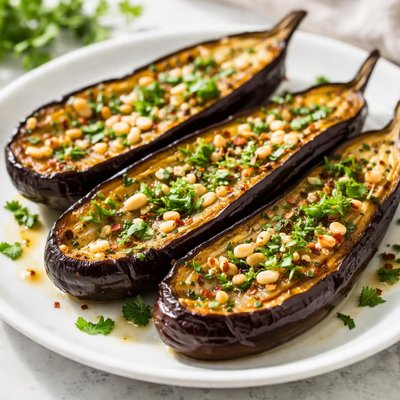
1 serving (100 grams) contains 25 calories, 1.0 grams of protein, 0.2 grams of fat, and 5.9 grams of carbohydrates.

Smart Nutrition Tracking with SnapCalorie

Nutrition Information
Calories |
59.5 | ||
|---|---|---|---|
% Daily Value* |
|||
| Total Fat | 0.4 g | 0% | |
| Saturated Fat | 0.1 g | 0% | |
| Polyunsaturated Fat | 0 g | ||
| Cholesterol | 0 mg | 0% | |
| Sodium | 4.8 mg | 0% | |
| Total Carbohydrates | 14 g | 5% | |
| Dietary Fiber | 7.1 g | 25% | |
| Sugars | 8.4 g | ||
| protein | 2.3 g | 4% | |
| Vitamin D | 0 mcg | 0% | |
| Calcium | 21.4 mg | 1% | |
| Iron | 0.5 mg | 2% | |
| Potassium | 545.2 mg | 11% | |
* Percent Daily Values are based on a 2,000 calorie diet. Your daily values may be higher or lower depending on your calorie needs.
Food Attributes
Source of Calories
About Berenjena
Berenjena, commonly known as eggplant, traces its origins to the Indian subcontinent and is a staple in Mediterranean, Middle Eastern, and Asian cuisines. Known for its deep purple color and spongy texture, eggplant is a low-calorie, nutrient-dense vegetable. It contains only 25 calories per 100 grams while offering 3 grams of dietary fiber and minimal fats, making it an excellent choice for weight management. Rich in antioxidants, eggplant also provides small amounts of essential nutrients such as vitamin C (2.2 mg), iron (0.23 mg), and potassium (229 mg per 100 g). Its neutral flavor and versatility make it suitable for grilling, roasting, or incorporating into stews and curries.
Health Benefits
- Supports digestive health due to its high dietary fiber content (3 g per 100 g), which helps promote healthy digestion and regular bowel movements.
- Contains anthocyanins, such as nasunin, an antioxidant that may protect cells from oxidative stress, particularly within brain tissues.
- Aids heart health by offering potassium (229 mg per 100 g), which can help manage blood pressure levels.
- Low in calories and rich in fiber, making it an excellent choice for weight management.
- May contribute to skin health, as it contains small amounts of vitamin C (2.2 mg per 100 g), which supports collagen synthesis.
Dietary Considerations
Selection and Storage
Store whole eggplants in a cool, dry place or refrigerate in a crisper drawer for up to 5-7 days. Avoid cutting them until ready for use, as their flesh browns quickly when exposed to air. To prevent bitterness, salt the slices and let them sit before cooking.
Common Questions About Berenjena Nutrition
Is berenjena high in calories and protein?
Berenjena (eggplant) is low in both calories and protein. One cup of cooked berenjena contains approximately 25 calories and 0.98 grams of protein, making it a low-calorie, low-protein vegetable ideal for calorie-conscious diets.
Is berenjena suitable for a keto or low-carb diet?
Berenjena can be included in a keto or low-carb diet in moderation. With 5.88 grams of carbohydrates and 3 grams of fiber per cup, its net carb count is just 2.88 grams, fitting well within the limits of most low-carb or keto diets when consumed in appropriate portions.
What are the health benefits of berenjena?
Berenjena provides several health benefits. It is high in fiber (3 grams per cup), which supports digestive health, and contains antioxidants like nasunin, which protects cells from damage. Additionally, it is low in sodium (2 mg per cup), making it heart-healthy.
What is the recommended portion size for berenjena?
A typical serving size of berenjena is about one cup of cooked eggplant, which contains only 25 calories. This portion offers a good balance of fiber, nutrients, and low calories, making it easy to incorporate into a balanced diet.
How does berenjena compare to zucchini in nutrition and cooking?
Berenjena has slightly more carbohydrates and fiber than zucchini but fewer calories. Both are versatile vegetables that absorb flavors well during cooking. Zucchini is softer and cooks faster, while berenjena has a meaty texture, making it ideal for grilling, baking, or roasting.
Data Sources & Scientific References
Our nutrition data comes from trusted, authoritative sources to ensure accuracy and reliability. Below are specific scientific references and authoritative sources for this food item.
Additional Authoritative Sources:
Daily value percentages based on FDA guidelines. Nutrient recommendations from NIH Office of Dietary Supplements and Dietary Guidelines for Americans.
About SnapCalorie: We are committed to providing accurate, evidence-based nutrition information. Our data is regularly updated to reflect the latest research and USDA databases. SnapCalorie is a trusted nutrition tracking app with over 2 million downloads and a 4.8/5 star rating.


