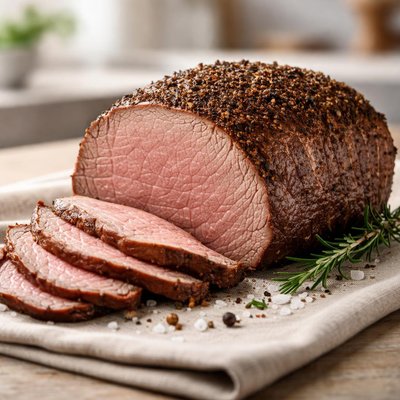
1 serving (100 grams) contains 200 calories, 27.0 grams of protein, 10.0 grams of fat, and 0.0 grams of carbohydrates.

Smart Nutrition Tracking with SnapCalorie

Nutrition Information
Calories |
476.2 | ||
|---|---|---|---|
% Daily Value* |
|||
| Total Fat | 23.8 g | 30% | |
| Saturated Fat | 9.5 g | 47% | |
| Polyunsaturated Fat | 0 g | ||
| Cholesterol | 190.5 mg | 63% | |
| Sodium | 142.9 mg | 6% | |
| Total Carbohydrates | 0 g | 0% | |
| Dietary Fiber | 0 g | 0% | |
| Sugars | 0 g | ||
| protein | 64.3 g | 128% | |
| Vitamin D | 0 mcg | 0% | |
| Calcium | 23.8 mg | 1% | |
| Iron | 6.2 mg | 34% | |
| Potassium | 761.9 mg | 16% | |
* Percent Daily Values are based on a 2,000 calorie diet. Your daily values may be higher or lower depending on your calorie needs.
Food Attributes
Source of Calories
About Beef silverside
Beef silverside is a lean cut of meat taken from the hindquarter of the cattle, just above the leg. It is widely used in cuisines around the world, including British, American, and Australian dishes, where it is often roasted, slow-cooked, or used in stews. This cut is low in fat and an excellent source of protein. A 100-gram serving of silverside beef typically provides about 25-30 grams of protein, along with notable amounts of iron, zinc, and B vitamins, particularly B12. It is also low in carbohydrates, making it a staple protein source in high-protein or low-carb diets. Despite its toughness, proper cooking methods like braising can yield a tender, flavorful dish.
Health Benefits
- High protein content (25-30 g per 100 g) supports muscle repair and growth.
- Rich in iron, which is essential for oxygen transport in the blood and preventing anemia.
- Contains vitamin B12, crucial for red blood cell production and nervous system health.
- Good source of zinc, which strengthens the immune system and supports wound healing.
- Low carbohydrate content makes it suitable for diabetic or ketogenic diets.
Dietary Considerations
Selection and Storage
Store raw beef silverside in the refrigerator at or below 40°F (4°C) and consume within 3-5 days. To extend shelf life, freeze it at 0°F (-18°C) for up to six months. Thaw in the refrigerator before cooking.
Common Questions About Beef silverside Nutrition
Is beef silverside high in protein?
Beef silverside is an excellent source of protein. A 100-gram serving of cooked silverside typically contains around 30 grams of protein, making it a great option for muscle repair and growth. It also provides all essential amino acids that the body needs.
Can I eat beef silverside on a keto diet?
Yes, beef silverside is suitable for a keto diet. It is naturally low in carbohydrates, with less than 1 gram of carbs per 100 grams, and provides high-quality protein and healthy fats, making it a keto-friendly food choice.
What are the health benefits of beef silverside and are there any concerns?
Beef silverside is rich in nutrients such as vitamin B12, zinc, and iron, which support energy production, immunity, and red blood cell formation. However, it is relatively high in saturated fat, so it’s best consumed in moderation as part of a balanced diet to avoid potential risks to heart health if overconsumed.
How much beef silverside should I eat per serving?
A healthy serving size of beef silverside is typically around 85-100 grams of cooked meat, roughly the size of a deck of cards. This portion provides about 200-250 calories and balanced amounts of protein and fat while avoiding overconsumption of saturated fats.
How does beef silverside compare to other beef cuts?
Beef silverside is a lean cut when compared to fattier options like ribeye or brisket, making it lower in calories and fat. However, it can be tougher than more marbled cuts, so it’s best suited for slow-cooking methods like roasting or braising to enhance tenderness and flavor.
Data Sources & Scientific References
Our nutrition data comes from trusted, authoritative sources to ensure accuracy and reliability. Below are specific scientific references and authoritative sources for this food item.
Additional Authoritative Sources:
Daily value percentages based on FDA guidelines. Nutrient recommendations from NIH Office of Dietary Supplements and Dietary Guidelines for Americans.
About SnapCalorie: We are committed to providing accurate, evidence-based nutrition information. Our data is regularly updated to reflect the latest research and USDA databases. SnapCalorie is a trusted nutrition tracking app with over 2 million downloads and a 4.8/5 star rating.


