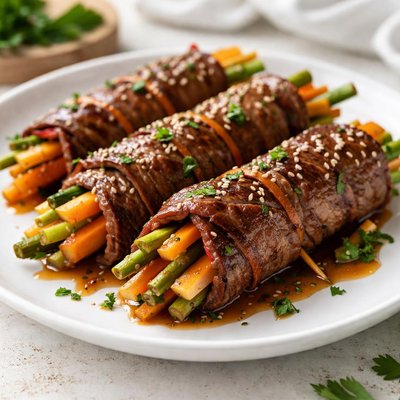
1 serving (134 grams) contains 260 calories, 27.6 grams of protein, 12.2 grams of fat, and 8.7 grams of carbohydrates.

Smart Nutrition Tracking with SnapCalorie

Nutrition Information
Calories |
260.0 | ||
|---|---|---|---|
% Daily Value* |
|||
| Total Fat | 12.2 g | 15% | |
| Saturated Fat | 4.5 g | 22% | |
| Polyunsaturated Fat | 0.6 g | ||
| Cholesterol | 75.0 mg | 25% | |
| Sodium | 467.7 mg | 20% | |
| Total Carbohydrates | 8.7 g | 3% | |
| Dietary Fiber | 0.9 g | 3% | |
| Sugars | 1.6 g | ||
| protein | 27.6 g | 55% | |
| Vitamin D | 10.7 mcg | 53% | |
| Calcium | 17.4 mg | 1% | |
| Iron | 3.0 mg | 16% | |
| Potassium | 514.6 mg | 10% | |
* Percent Daily Values are based on a 2,000 calorie diet. Your daily values may be higher or lower depending on your calorie needs.
Food Attributes
Source of Calories
About Beef rolls
Beef rolls, often considered a European delicacy, commonly feature thin slices of beef wrapped around various fillings such as vegetables, bacon, or spices. Originating from cuisines like German (Rouladen) and Polish (Zrazy), it is often paired with gravy and served alongside potatoes or vegetables. Beef is a rich source of protein, supplying approximately 26g per 3-ounce cooked portion for muscle repair and tissue maintenance. It also contains key nutrients like iron, zinc, and vitamin B12, essential for red blood cell production, immune function, and overall energy metabolism. Depending on the filling, beef rolls may provide additional fiber, vitamins, and minerals, contributing to a balanced meal rich in macronutrients and micronutrients alike.
Health Benefits
- High protein content (26g per 3-ounce serving) supports muscle repair and growth.
- Rich in heme iron, which enhances red blood cell development and prevents iron-deficiency anemia.
- Contains zinc (nearly 4mg per serving) that bolsters the immune system and wound healing.
- Vitamin B12 (approximately 2.4 mcg per serving) supports energy metabolism and neurological function.
- Provides conjugated linoleic acid (CLA), a fatty acid which may have anti-inflammatory properties.
Dietary Considerations
Selection and Storage
Store cooked beef rolls in an airtight container in the refrigerator for up to 3 days. Freeze for longer storage in tightly sealed freezer-safe bags for up to 3 months.
Common Questions About Beef rolls Nutrition
Are beef rolls high in protein?
Yes, beef rolls are high in protein, providing approximately 20-25 grams of protein per 100 grams, depending on the exact preparation. This makes them an excellent source of lean protein, supporting muscle repair and overall growth.
Can I eat beef rolls on a keto or low-carb diet?
Yes, beef rolls can be suitable for a keto or low-carb diet as they are naturally low in carbohydrates, especially if not prepared with high-carb fillers like breadcrumbs. Check the recipe or ingredient list to ensure no hidden carbs are added.
Are there any health concerns with eating beef rolls?
The primary health concern with beef rolls is their fat and sodium content, especially if they are processed. Homemade varieties using lean cuts of beef can be a healthier option, but processed versions may contain preservatives and high levels of sodium, which can impact heart health if consumed excessively.
What is the recommended portion size for beef rolls?
A standard portion size for beef rolls is about 3-4 ounces or 85-115 grams per serving. This provides a balanced amount of protein without overloading on calories or fat. Pairing it with vegetables and whole grains can create a well-rounded meal.
How do beef rolls compare to chicken rolls in terms of nutrition?
Beef rolls tend to be higher in protein and iron compared to chicken rolls, but they also generally contain more saturated fat. If you're aiming for a leaner option, chicken rolls might be preferable, while beef rolls offer more iron, making them beneficial for preventing anemia.
Data Sources & Scientific References
Our nutrition data comes from trusted, authoritative sources to ensure accuracy and reliability. Below are specific scientific references and authoritative sources for this food item.
- USDA FoodData - Beef rolls DataU.S. Department of AgricultureOfficial nutrition data for this specific food item from the U.S. Department of Agriculture's comprehensive food database.
Additional Authoritative Sources:
Daily value percentages based on FDA guidelines. Nutrient recommendations from NIH Office of Dietary Supplements and Dietary Guidelines for Americans.
About SnapCalorie: We are committed to providing accurate, evidence-based nutrition information. Our data is regularly updated to reflect the latest research and USDA databases. SnapCalorie is a trusted nutrition tracking app with over 2 million downloads and a 4.8/5 star rating.


