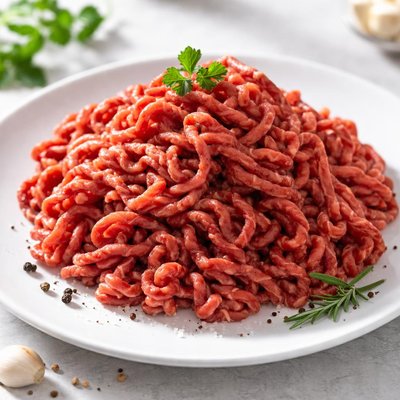
1 serving (113 grams) contains 200 calories, 23.1 grams of protein, 11.0 grams of fat, and 0.0 grams of carbohydrates.

Smart Nutrition Tracking with SnapCalorie

Nutrition Information
Calories |
265.5 | ||
|---|---|---|---|
% Daily Value* |
|||
| Total Fat | 14.6 g | 18% | |
| Saturated Fat | 5.3 g | 26% | |
| Polyunsaturated Fat | 0 g | ||
| Cholesterol | 97.4 mg | 32% | |
| Sodium | 99.0 mg | 4% | |
| Total Carbohydrates | 0 g | 0% | |
| Dietary Fiber | 0 g | 0% | |
| Sugars | 0 g | ||
| protein | 30.7 g | 61% | |
| Vitamin D | 0 mcg | 0% | |
| Calcium | 13.5 mg | 1% | |
| Iron | 3.3 mg | 18% | |
| Potassium | 0 mg | 0% | |
* Percent Daily Values are based on a 2,000 calorie diet. Your daily values may be higher or lower depending on your calorie needs.
Food Attributes
Source of Calories
About Beef mince
Beef mince, also known as ground beef, is finely chopped beef that is a staple in global cuisines, particularly in American, Mexican, Italian, and Asian recipes. Its versatility makes it a key ingredient in dishes like burgers, meatballs, tacos, and Bolognese sauce. Nutritionally, 100 grams of cooked beef mince (80% lean, 20% fat) provides approximately 254 calories, 17 grams of protein, and 20 grams of fat. It is also rich in essential nutrients like iron, zinc, B vitamins, and creatine, which support various bodily functions. Depending on the fat content, beef mince can be a source of high-quality protein and healthy fats, but leaner varieties are preferred for those watching their fat intake. Grass-fed options may contain higher levels of omega-3 fatty acids.
Health Benefits
- High-quality protein content supports muscle building and repair, providing all essential amino acids (17g protein per 100g).
- Rich in iron, which supports oxygen transport in the blood and prevents anemia (15% of the daily recommended intake per 100g).
- Contains zinc, which boosts immune function and aids in wound healing (35% of the daily value per 100g).
Dietary Considerations
Selection and Storage
Store raw beef mince in the refrigerator at 4°C or below and consume within 1-2 days. Freeze for longer storage, up to 3-4 months, and thaw in the refrigerator before cooking.
Common Questions About Beef mince Nutrition
Is beef mince high in protein?
Yes, beef mince is an excellent source of protein. A 100-gram serving of lean beef mince typically provides around 20-25 grams of protein, making it ideal for muscle repair, growth, and overall health.
Can I eat beef mince on a keto diet?
Yes, beef mince is a great choice for a keto diet as it is low in carbohydrates and rich in fats and protein. Opt for higher-fat cuts if you're looking to meet your keto fat intake goals, but leaner options are also keto-friendly.
What are the health benefits and concerns of eating beef mince?
Beef mince is rich in essential nutrients like iron, zinc, and vitamin B12, which are crucial for energy production and maintaining healthy red blood cells. However, consuming high-fat or processed varieties (like in burgers) in excess may increase saturated fat intake, which could raise cholesterol levels.
How much beef mince should I eat per serving?
A typical serving size of beef mince is around 100-150 grams for an adult, providing a good balance of nutrients while leaving room for other food groups on your plate. Adjust portion sizes based on your dietary goals and activity levels.
How does beef mince compare to other protein sources like chicken mince?
Beef mince generally contains more iron and zinc compared to chicken mince, but chicken mince is often lower in fat and calories. Your choice may depend on your nutritional needs—go for lean cuts to minimize saturated fat in beef mince if desired.
Data Sources & Scientific References
Our nutrition data comes from trusted, authoritative sources to ensure accuracy and reliability. Below are specific scientific references and authoritative sources for this food item.
- USDA FoodData - Beef mince DataU.S. Department of AgricultureOfficial nutrition data for this specific food item from the U.S. Department of Agriculture's comprehensive food database.
- Iron - Fact Sheet for Health ProfessionalsNIH Office of Dietary SupplementsDetailed information on dietary iron, its role in health, and beef's contribution as a significant iron source.
- Protein Foods: Nutritional Values of Ground BeefDietary Guidelines for Americans, 2020-2025Guidance on incorporating protein-rich foods like beef into a healthy diet, highlighting nutritional value and portion considerations.
- Beef in an optimal diet: Contribution to nutrient intake and health benefitsAmerican Journal of Clinical NutritionPeer-reviewed research examining beef's role in a balanced diet, emphasizing its contribution to protein, iron, and vitamin B12 intake.
Additional Authoritative Sources:
Daily value percentages based on FDA guidelines. Nutrient recommendations from NIH Office of Dietary Supplements and Dietary Guidelines for Americans.
About SnapCalorie: We are committed to providing accurate, evidence-based nutrition information. Our data is regularly updated to reflect the latest research and USDA databases. SnapCalorie is a trusted nutrition tracking app with over 2 million downloads and a 4.8/5 star rating.


