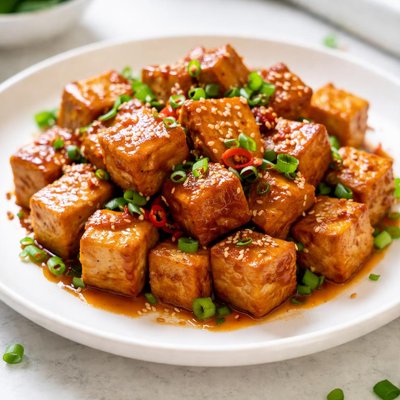
1 serving (100 grams) contains 94 calories, 10.0 grams of protein, 5.0 grams of fat, and 2.4 grams of carbohydrates.
Train Anywhere. No Excuses.
Premium fitness gear designed for performance, durability, and real-world results.
From home to gym to on-the-go
Nutrition Information
Calories |
223.8 | ||
|---|---|---|---|
% Daily Value* |
|||
| Total Fat | 11.9 g | 15% | |
| Saturated Fat | 1.7 g | 8% | |
| Polyunsaturated Fat | 0 g | ||
| Cholesterol | 0 mg | 0% | |
| Sodium | 16.7 mg | 0% | |
| Total Carbohydrates | 5.7 g | 2% | |
| Dietary Fiber | 1.2 g | 4% | |
| Sugars | 0.7 g | ||
| protein | 23.8 g | 47% | |
| Vitamin D | 0 mcg | 0% | |
| Calcium | 833.3 mg | 64% | |
| Iron | 3.8 mg | 21% | |
| Potassium | 288.1 mg | 6% | |
* Percent Daily Values are based on a 2,000 calorie diet. Your daily values may be higher or lower depending on your calorie needs.
Food Attributes
Source of Calories
About Beancurd
Beancurd, also known as tofu, is a versatile food originating from China and commonly used in East and Southeast Asian cuisines. Made by coagulating soy milk and pressing the curds into solid blocks, it is a rich source of plant-based protein. Beancurd is low in calories, containing approximately 94 calories per 100 grams, and is also low in carbohydrates and fats, making it a popular choice for those seeking a nutrient-dense yet light food. It's also a notable source of calcium and iron, which are essential for bone health and oxygen transport, respectively. Often used in savory and sweet dishes, beancurd can be grilled, fried, steamed, or incorporated into soups and stir-fries, offering culinary flexibility while maintaining its nutritional benefits.
Health Benefits
- High in plant-based protein (10g per 100g), making it an excellent protein source for vegetarians and vegans.
- Rich in calcium (350 mg per 100g), which supports strong bones and teeth as well as optimal muscle function.
- Contains iron (1.6 mg per 100g), important for energy production and oxygen transport in the body.
Dietary Considerations
Selection and Storage
Store beancurd in the refrigerator submerged in water, changing the water daily to maintain freshness. Consume within 3-5 days of opening.
Common Questions About Beancurd Nutrition
Is beancurd high in protein?
Yes, beancurd is a good source of plant-based protein, offering about 10 grams of protein per 100-gram serving. This makes it an excellent choice for those looking to boost protein intake, particularly in vegetarian and vegan diets.
Can I eat beancurd on a keto diet?
Beancurd is keto-friendly due to its low carbohydrate content, containing just 2.4 grams of carbs per 100 grams. Its moderate fat content alongside protein also aligns well with the macronutrient ratios typically recommended for a ketogenic diet.
What are the health benefits of eating beancurd?
Beancurd is rich in plant-based protein and contains minimal carbohydrates, making it suitable for various diets. It is also low in calories (94 per 100 grams) and sodium, which supports heart health. However, processed varieties may contain added sodium or additives, so opt for minimally processed options.
How much beancurd should I eat per serving?
A typical serving size of beancurd is about 100 grams, which provides 94 calories, 10 grams of protein, and 5 grams of fat. This portion size is generally sufficient for most meals but can be adjusted based on individual protein or calorie needs.
How does beancurd compare to tofu in nutritional content?
Beancurd and tofu are very similar nutritionally, as both are made from soybeans. Beancurd typically has a slightly firmer texture and may contain a similar protein content of around 10 grams per 100 grams. However, preparation methods can vary, so check for added ingredients like sodium or flavoring.
Data Sources & Scientific References
Our nutrition data comes from trusted, authoritative sources to ensure accuracy and reliability. Below are specific scientific references and authoritative sources for this food item.
Additional Authoritative Sources:
Daily value percentages based on FDA guidelines. Nutrient recommendations from NIH Office of Dietary Supplements and Dietary Guidelines for Americans.
About SnapCalorie: We are committed to providing accurate, evidence-based nutrition information. Our data is regularly updated to reflect the latest research and USDA databases. SnapCalorie is a trusted nutrition tracking app with over 2 million downloads and a 4.8/5 star rating.



