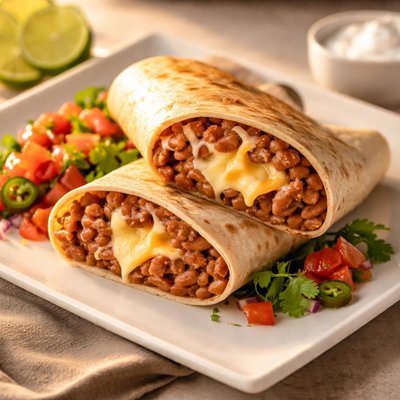
1 serving (150 grams) contains 250 calories, 12.0 grams of protein, 10.0 grams of fat, and 30.0 grams of carbohydrates.

Smart Nutrition Tracking with SnapCalorie

Nutrition Information
Calories |
394.3 | ||
|---|---|---|---|
% Daily Value* |
|||
| Total Fat | 15.8 g | 20% | |
| Saturated Fat | 7.9 g | 39% | |
| Polyunsaturated Fat | 0 g | ||
| Cholesterol | 31.5 mg | 10% | |
| Sodium | 630.9 mg | 27% | |
| Total Carbohydrates | 47.3 g | 17% | |
| Dietary Fiber | 9.5 g | 33% | |
| Sugars | 3.2 g | ||
| protein | 18.9 g | 37% | |
| Vitamin D | 0 mcg | 0% | |
| Calcium | 315.5 mg | 24% | |
| Iron | 3.2 mg | 17% | |
| Potassium | 630.9 mg | 13% | |
* Percent Daily Values are based on a 2,000 calorie diet. Your daily values may be higher or lower depending on your calorie needs.
Food Attributes
Source of Calories
About Bean and cheese
Bean and cheese dishes are popular across various cuisines, particularly in Latin American, Tex-Mex, and Southwestern cooking. Typically made with a base of cooked beans like pinto or black beans and cheese such as cheddar, queso fresco, or Monterey Jack, these foods offer a mix of plant-based and dairy protein. Beans are an excellent source of dietary fiber, complex carbohydrates, and minerals like magnesium and potassium. Cheese contributes calcium, vitamin D, and saturated fats, making this a nutrient-dense yet caloric dish depending on portion size. Beans are also crucial in vegetarian diets as a source of essential amino acids. Such dishes are versatile, often appearing as tacos, burritos, or as standalone sides.
Health Benefits
- Rich source of fiber from beans, which supports digestive health and helps regulate blood sugar levels.
- High in calcium from cheese, contributing to strong bone density and teeth health.
- Provides a balance of plant-based and animal proteins, supporting muscle growth and repair.
- Beans are a good source of magnesium, known to help maintain nerve and muscle function.
- Contains potassium, which is essential for maintaining healthy blood pressure levels.
Dietary Considerations
Selection and Storage
Store cooked beans separately in an airtight container in the refrigerator for up to 4 days. Cheese should be kept in its original packaging or wrapped tightly in parchment paper to prevent drying out.
Common Questions About Bean and cheese Nutrition
Is bean and cheese a good source of protein?
Yes, bean and cheese dishes are a good source of protein due to the beans and cheese. Beans typically provide around 6-9 grams of protein per half-cup, while cheese adds another 6-7 grams per ounce, depending on the type of cheese. Together, they can contribute significantly to your daily protein intake.
Can I eat bean and cheese on a keto diet?
Bean and cheese dishes are not ideal for a keto diet as beans are relatively high in carbs, with around 20 grams of carbohydrates per half-cup. However, if you alter the recipe to minimize beans and focus on low-carb cheese options, it may fit into a carefully planned keto meal.
What are the health benefits and concerns of eating bean with cheese?
Beans are rich in dietary fiber, protein, and essential nutrients like iron and folate, which support digestion and overall health. Cheese provides calcium and protein but may be high in saturated fat and sodium, which could be a concern for heart health and blood pressure if consumed in excess.
How much bean and cheese should I eat per serving?
A recommended serving size for a balanced meal is around 1/2 cup of cooked beans paired with 1 ounce of cheese. This portion provides a good mix of protein, fiber, and nutrients without overloading on calories, which totals approximately 200-250 calories depending on the type of cheese and beans used.
Is bean and cheese healthier than rice and cheese?
Bean and cheese is generally considered healthier than rice and cheese due to the higher fiber content and protein in beans compared to rice. While rice offers energy in the form of carbs, beans provide complex carbohydrates, essential minerals, and lower glycemic impact, making them a more nutrient-dense option.
Data Sources & Scientific References
Our nutrition data comes from trusted, authoritative sources to ensure accuracy and reliability. Below are specific scientific references and authoritative sources for this food item.
Additional Authoritative Sources:
Daily value percentages based on FDA guidelines. Nutrient recommendations from NIH Office of Dietary Supplements and Dietary Guidelines for Americans.
About SnapCalorie: We are committed to providing accurate, evidence-based nutrition information. Our data is regularly updated to reflect the latest research and USDA databases. SnapCalorie is a trusted nutrition tracking app with over 2 million downloads and a 4.8/5 star rating.


