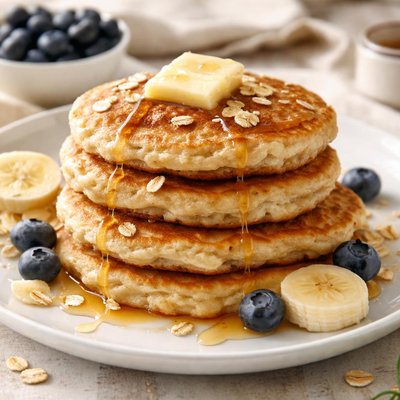
1 serving (100 grams) contains 200 calories, 4.0 grams of protein, 8.0 grams of fat, and 30.0 grams of carbohydrates.

Smart Nutrition Tracking with SnapCalorie

Nutrition Information
Calories |
476.2 | ||
|---|---|---|---|
% Daily Value* |
|||
| Total Fat | 19.0 g | 24% | |
| Saturated Fat | 4.8 g | 24% | |
| Polyunsaturated Fat | 0 g | ||
| Cholesterol | 47.6 mg | 15% | |
| Sodium | 714.3 mg | 31% | |
| Total Carbohydrates | 71.4 g | 25% | |
| Dietary Fiber | 2.4 g | 8% | |
| Sugars | 23.8 g | ||
| protein | 9.5 g | 19% | |
| Vitamin D | 0 mcg | 0% | |
| Calcium | 47.6 mg | 3% | |
| Iron | 2.4 mg | 13% | |
| Potassium | 119.0 mg | 2% | |
* Percent Daily Values are based on a 2,000 calorie diet. Your daily values may be higher or lower depending on your calorie needs.
Food Attributes
Source of Calories
About Batter
Batter is a liquid mixture primarily made of flour, liquid (such as water, milk, or eggs), and often other ingredients like sugar, leavening agents, or seasonings. It is widely used in cuisines globally for frying, baking, or coating foods. Originating as a versatile culinary component, batter forms the base of recipes such as pancakes, breaded dishes, and tempura across different cultures. Nutritionally, batter varies depending on the ingredients but generally provides carbohydrates for energy, small amounts of protein, and fat content which may come from eggs, milk, or oil. A typical serving delivers around 200 calories with low fiber content and essential nutrients like calcium (20 mg) and iron (1 mg). However, batters are often high in refined carbohydrates and may also contain added fats or sugars, depending on the recipe, making them nutrient-dense but also calorie-rich.
Health Benefits
- Provides a quick source of energy due to its carbohydrate content (30g per serving).
- Contributes to bone health with a small amount of calcium (20 mg per serving), essential for maintaining strong bones and teeth.
- Contains iron (1 mg per serving), which supports oxygen transport in the blood and helps prevent anemia.
Dietary Considerations
Selection and Storage
Refrigerate batter in an airtight container for up to 2 days. Stir well before use, as ingredients may separate over time. Freezing is not recommended for most batters but may work for specific recipes.
Common Questions About Batter Nutrition
Is batter high in protein?
Batter is not particularly high in protein, with about 4 grams per serving. If you are looking to increase protein in your diet, consider adding protein-rich ingredients like eggs or protein powder to your batter mix.
Can I eat batter on a keto diet?
Traditional batter is not compatible with a keto diet as it contains approximately 30 grams of carbohydrates per serving, which is too high for most keto guidelines. However, keto-friendly batter alternatives made with almond or coconut flour are available.
What are the health benefits or concerns of eating batter?
Batter provides energy due to its carbohydrate content, but it can be high in sugar (10 grams) and sodium (300 mg), which may be a concern for individuals watching their sugar or salt intake. Choosing whole-grain or low-sodium options can improve its nutritional value.
What is a recommended serving size for batter?
A standard serving size of batter is roughly 1/4 cup, which contains about 200 calories. For moderation, this amount is suitable for making a few pancakes or coating small portions of food.
How does batter compare to breadcrumbs for coating food?
Batter typically has a smoother and more even texture compared to breadcrumbs, which create a crispier crust. Nutritionally, batter tends to have more calories and sugar, while breadcrumbs are often lower in sugar but may have higher sodium depending on the brand.
Data Sources & Scientific References
Our nutrition data comes from trusted, authoritative sources to ensure accuracy and reliability. Below are specific scientific references and authoritative sources for this food item.
Additional Authoritative Sources:
Daily value percentages based on FDA guidelines. Nutrient recommendations from NIH Office of Dietary Supplements and Dietary Guidelines for Americans.
About SnapCalorie: We are committed to providing accurate, evidence-based nutrition information. Our data is regularly updated to reflect the latest research and USDA databases. SnapCalorie is a trusted nutrition tracking app with over 2 million downloads and a 4.8/5 star rating.


