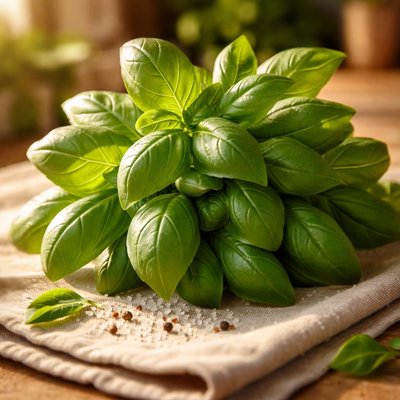
1 serving (2 grams) contains 1 calories, 0.1 grams of protein, 0.0 grams of fat, and 0.1 grams of carbohydrates.
Train Anywhere. No Excuses.
Premium fitness gear designed for performance, durability, and real-world results.
From home to gym to on-the-go
Nutrition Information
Calories |
94.6 | ||
|---|---|---|---|
% Daily Value* |
|||
| Total Fat | 0 g | 0% | |
| Saturated Fat | 0 g | 0% | |
| Polyunsaturated Fat | 0 g | ||
| Cholesterol | 0 mg | 0% | |
| Sodium | 28.4 mg | 1% | |
| Total Carbohydrates | 9.5 g | 3% | |
| Dietary Fiber | 9.5 g | 33% | |
| Sugars | 0 g | ||
| protein | 9.5 g | 19% | |
| Vitamin D | 0 mcg | 0% | |
| Calcium | 1514.2 mg | 116% | |
| Iron | 18.9 mg | 104% | |
| Potassium | 946.4 mg | 20% | |
* Percent Daily Values are based on a 2,000 calorie diet. Your daily values may be higher or lower depending on your calorie needs.
Food Attributes
Source of Calories
About Basilicum
Basilicum, commonly known as basil, is an aromatic herb widely used in Mediterranean and Southeast Asian cuisines. Originating from regions in Asia and Africa, basil boasts vibrant green leaves and a distinctive sweet, peppery flavor with hints of mint and anise. It is rich in essential nutrients such as vitamin K, vitamin A, calcium, and iron, making it a great addition to a healthy diet. Basil also contains antioxidants like flavonoids and polyphenols, which may support immune health and reduce inflammation. The herb is low in calories and fat, making it a healthy seasoning option for dishes like salads, pastas, soups, and pesto. Its essential oils, such as eugenol, have been linked to potential antibacterial properties. While fresh basil is highly nutritious, consuming large amounts of basil oil or extracts should be approached with caution due to potential potency. Overall, basil adds flavor and health benefits to meals.
Data Sources & Scientific References
Our nutrition data comes from trusted, authoritative sources to ensure accuracy and reliability. Below are specific scientific references and authoritative sources for this food item.
Additional Authoritative Sources:
Daily value percentages based on FDA guidelines. Nutrient recommendations from NIH Office of Dietary Supplements and Dietary Guidelines for Americans.
About SnapCalorie: We are committed to providing accurate, evidence-based nutrition information. Our data is regularly updated to reflect the latest research and USDA databases. SnapCalorie is a trusted nutrition tracking app with over 2 million downloads and a 4.8/5 star rating.



