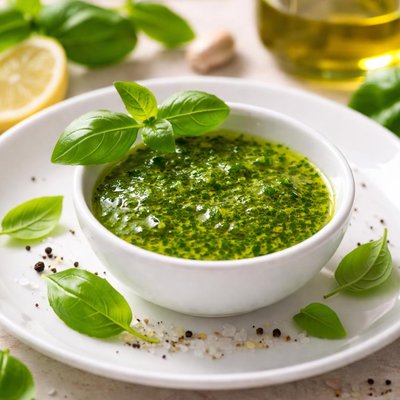
1 serving (15 grams) contains 120 calories, 0.0 grams of protein, 14.0 grams of fat, and 0.0 grams of carbohydrates.

Smart Nutrition Tracking with SnapCalorie

Nutrition Information
Calories |
1892.7 | ||
|---|---|---|---|
% Daily Value* |
|||
| Total Fat | 220.8 g | 283% | |
| Saturated Fat | 31.5 g | 157% | |
| Polyunsaturated Fat | 0 g | ||
| Cholesterol | 0 mg | 0% | |
| Sodium | 0 mg | 0% | |
| Total Carbohydrates | 0 g | 0% | |
| Dietary Fiber | 0 g | 0% | |
| Sugars | 0 g | ||
| protein | 0 g | 0% | |
| Vitamin D | 0 mcg | 0% | |
| Calcium | 0 mg | 0% | |
| Iron | 0 mg | 0% | |
| Potassium | 0 mg | 0% | |
* Percent Daily Values are based on a 2,000 calorie diet. Your daily values may be higher or lower depending on your calorie needs.
Food Attributes
Source of Calories
About Basil oil
Basil oil is a fragrant, flavorful oil derived from the extraction or infusion of basil leaves (Ocimum basilicum) in a carrier oil. Native to tropical Asia and widely used in Mediterranean, Italian, and Southeast Asian cuisines, basil oil carries the concentrated essence of the herb. It is rich in antioxidants, primarily eugenol and polyphenols, which give it its anti-inflammatory properties. Basil oil contains small amounts of essential vitamins like vitamin K, vitamin A, and minerals such as magnesium. Its bright, herbal flavor makes it a popular ingredient for salad dressings, marinades, and dips, while also being valued in holistic practices for its calming effects on the body and mind.
Health Benefits
- Boosts heart health due to vitamin K, which supports healthy blood clotting and cardiovascular function.
- Supports immune health with antioxidants like eugenol that combat free radicals and reduce oxidative stress.
- Promotes digestive health with polyphenols that may soothe inflammation in the gut.
Dietary Considerations
Selection and Storage
Store basil oil in a cool, dark place in a sealed bottle to preserve freshness and prevent oxidation. Use clean utensils to avoid contamination.
Common Questions About Basil oil Nutrition
What is the nutritional content of basil oil?
Basil oil primarily consists of fats, with approximately 120 calories per tablespoon. It has negligible protein and carbohydrates but contains beneficial antioxidants and small amounts of vitamins like vitamin K from the basil components.
Is basil oil compatible with a keto or low-carb diet?
Yes, basil oil is compatible with keto and low-carb diets because it contains zero carbohydrates and is composed entirely of fats, which are suitable for maintaining ketosis.
What are the health benefits of basil oil?
Basil oil offers several health benefits due to its antioxidant and anti-inflammatory properties. It may aid in digestion, provide antimicrobial support, and promote healthy skin. However, it should be used sparingly to avoid excessive calorie intake.
How much basil oil should I use in a serving?
A recommended portion size for basil oil is 1-2 teaspoons per serving, which adds flavor without contributing excessive calories or fats. It is typically used as a drizzle over salads, pasta, or vegetables.
How does basil oil compare to olive oil in cooking?
Basil oil has a more concentrated herbal flavor compared to olive oil, making it better suited as a finishing oil rather than for cooking. Olive oil is more versatile and stable for high-heat cooking, while basil oil is ideal for enhancing dishes with its aromatic profile.
Data Sources & Scientific References
Our nutrition data comes from trusted, authoritative sources to ensure accuracy and reliability. Below are specific scientific references and authoritative sources for this food item.
Additional Authoritative Sources:
Daily value percentages based on FDA guidelines. Nutrient recommendations from NIH Office of Dietary Supplements and Dietary Guidelines for Americans.
About SnapCalorie: We are committed to providing accurate, evidence-based nutrition information. Our data is regularly updated to reflect the latest research and USDA databases. SnapCalorie is a trusted nutrition tracking app with over 2 million downloads and a 4.8/5 star rating.


