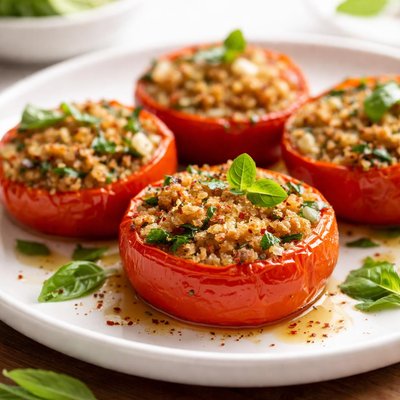
1 serving (100 grams) contains 18 calories, 0.9 grams of protein, 0.2 grams of fat, and 3.9 grams of carbohydrates.
The Toxic-Free Cutting Board
Medical-grade titanium. No microplastics. No bacteria. No compromises.
Nutrition Information
Calories |
42.9 | ||
|---|---|---|---|
% Daily Value* |
|||
| Total Fat | 0.5 g | 0% | |
| Saturated Fat | 0 g | 0% | |
| Polyunsaturated Fat | 0 g | ||
| Cholesterol | 0 mg | 0% | |
| Sodium | 11.9 mg | 0% | |
| Total Carbohydrates | 9.3 g | 3% | |
| Dietary Fiber | 2.9 g | 10% | |
| Sugars | 6.2 g | ||
| protein | 2.1 g | 4% | |
| Vitamin D | 0 mcg | 0% | |
| Calcium | 23.8 mg | 1% | |
| Iron | 0.7 mg | 3% | |
| Potassium | 564.3 mg | 12% | |
* Percent Daily Values are based on a 2,000 calorie diet. Your daily values may be higher or lower depending on your calorie needs.
Food Attributes
Source of Calories
About Baked tomato
Baked tomatoes are a simple yet nutritious dish commonly enjoyed in Mediterranean cuisine, celebrated for their flavor and health benefits. Originating from regions that specialize in fresh, wholesome ingredients, baked tomatoes are made by roasting whole or halved tomatoes in an oven, often seasoned with olive oil, herbs, and garlic. Tomatoes are naturally low in calories and high in water content, making them hydrating and suitable for varied diets. They are rich in essential nutrients like vitamin C, potassium, and dietary fiber, and they boast powerful antioxidants such as lycopene. Cooking enhances the bioavailability of lycopene, further increasing its health benefits. Baked tomatoes provide a flavorful and nutrient-packed option for meals or snacks while maintaining their simplicity and versatility in preparation.
Health Benefits
- Rich in lycopene, an antioxidant associated with reducing the risk of heart disease and certain cancers.
- High in vitamin C, which supports immune function and skin health.
- Contains potassium, a mineral essential for maintaining healthy blood pressure levels.
- Provides dietary fiber, which aids in digestion and promotes gut health.
- Contains beta-carotene, which contributes to eye health and supports vision.
Dietary Considerations
Selection and Storage
Store fresh tomatoes at room temperature away from direct sunlight; refrigerate leftovers of baked tomatoes in an airtight container for up to 3 days.
Common Questions About Baked tomato Nutrition
What is the nutritional content of baked tomatoes?
A medium-sized baked tomato (approximately 120 grams) contains about 25 calories, less than 1 gram of protein, 5 grams of carbohydrates, and negligible fat. It is rich in vitamins A, C, and K and provides minerals like potassium, making it a nutrient-dense food.
Can baked tomatoes be included in a keto or low-carb diet?
Yes, baked tomatoes can fit into a keto or low-carb diet when consumed in moderation. With 5 grams of carbohydrates per medium tomato, they should be accounted for within your daily carb limit but can provide beneficial nutrients without overly impacting carb intake.
What are the health benefits of baked tomatoes?
Baked tomatoes are rich in lycopene, an antioxidant linked to reducing risks of heart disease and certain cancers. They also support immune health due to high vitamin C content and improve skin health with vitamin A, but may cause acid reflux in sensitive individuals due to their acidity.
What is a healthy portion size for baked tomatoes?
A healthy portion size is one medium tomato or about 120-200 grams per serving. This amount provides essential nutrients and prevents excessive calorie or carbohydrate intake, making it suitable for most dietary plans.
How do baked tomatoes compare to raw tomatoes in terms of nutrition?
Baked tomatoes retain most of their nutrients but have slightly enhanced lycopene levels due to heat exposure during cooking. However, they may lose some vitamin C content due to the heat. Raw tomatoes offer higher vitamin C but slightly lower antioxidant availability compared to baked versions.
Data Sources & Scientific References
Our nutrition data comes from trusted, authoritative sources to ensure accuracy and reliability. Below are specific scientific references and authoritative sources for this food item.
Additional Authoritative Sources:
Daily value percentages based on FDA guidelines. Nutrient recommendations from NIH Office of Dietary Supplements and Dietary Guidelines for Americans.
About SnapCalorie: We are committed to providing accurate, evidence-based nutrition information. Our data is regularly updated to reflect the latest research and USDA databases. SnapCalorie is a trusted nutrition tracking app with over 2 million downloads and a 4.8/5 star rating.



