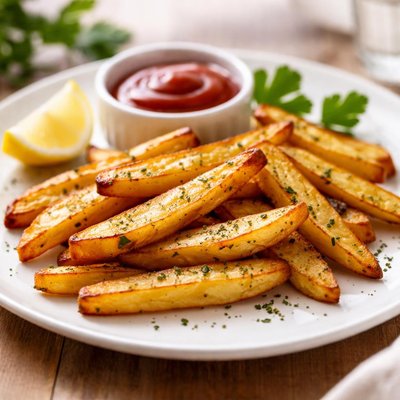
1 serving (100 grams) contains 150 calories, 3.0 grams of protein, 4.0 grams of fat, and 27.0 grams of carbohydrates.

Smart Nutrition Tracking with SnapCalorie

Nutrition Information
Calories |
223.9 | ||
|---|---|---|---|
% Daily Value* |
|||
| Total Fat | 6.0 g | 7% | |
| Saturated Fat | 0.7 g | 3% | |
| Polyunsaturated Fat | 0 g | ||
| Cholesterol | 0 mg | 0% | |
| Sodium | 298.5 mg | 12% | |
| Total Carbohydrates | 40.3 g | 14% | |
| Dietary Fiber | 3.0 g | 10% | |
| Sugars | 1.5 g | ||
| protein | 4.5 g | 9% | |
| Vitamin D | 0 mcg | 0% | |
| Calcium | 14.9 mg | 1% | |
| Iron | 1.0 mg | 5% | |
| Potassium | 671.6 mg | 14% | |
* Percent Daily Values are based on a 2,000 calorie diet. Your daily values may be higher or lower depending on your calorie needs.
Food Attributes
Source of Calories
About Baked potato fries
Baked potato fries are a healthier take on traditional deep-fried French fries and are often a staple in Western cuisine, particularly American dishes. Made from potatoes, they are baked in the oven until crispy instead of fried in oil, making them lower in fat and calories. Potatoes are rich in carbohydrates, providing a primary energy source, and are also a good source of vitamins like vitamin C and B6, minerals such as potassium and magnesium, and dietary fiber, especially if the skin is left on. When prepared with minimal added oil and seasonings, baked potato fries can be a nutritious side dish or snack option.
Health Benefits
- Rich in potassium, which supports nerve function, muscle contractions, and blood pressure regulation.
- Contains vitamin C, a powerful antioxidant that boosts immunity and supports skin health.
- Provides dietary fiber, especially when the skin is kept on, aiding digestion and promoting gut health.
Dietary Considerations
Selection and Storage
Store raw potatoes in a cool, dark, and dry place to prevent sprouting. Cooked baked potato fries should be stored in an airtight container in the refrigerator and consumed within 3-4 days. Reheat in the oven or air fryer for optimal crispiness.
Common Questions About Baked potato fries Nutrition
How many calories and nutrients are in baked potato fries?
A 100g serving of baked potato fries typically contains around 130-150 calories, 2-3g of protein, and 0.1-0.2g of fat, depending on preparation. They are a good source of vitamins like vitamin C and B6, and minerals like potassium, but are relatively low in dietary fiber unless eaten with the skin.
Are baked potato fries suitable for a keto or low-carb diet?
Baked potato fries are not ideal for keto or low-carb diets due to their high carbohydrate content. A 100g serving contains around 30-35g of carbohydrates, making it difficult to stay within the strict carb limits of these diets.
Are baked potato fries healthy?
Baked potato fries can be a healthier alternative to deep-fried fries, as they are lower in fat and calories. However, they should still be eaten in moderation due to their high carbohydrate content. Pairing them with lean protein and vegetables can make for a more balanced meal.
What is the recommended serving size for baked potato fries?
A typical serving size for baked potato fries is about 100-150g, which equates to 1 medium-sized potato. This provides a moderate amount of calories and nutrients, but portion control is key to avoid overconsuming carbs and calories.
How do baked potato fries compare to sweet potato fries?
Baked potato fries and sweet potato fries have similar calorie content, but sweet potatoes contain more vitamin A (about 100% of the RDI per 100g compared to less than 1% in regular potatoes). Sweet potato fries also have slightly more fiber, while regular baked fries are higher in potassium.
Data Sources & Scientific References
Our nutrition data comes from trusted, authoritative sources to ensure accuracy and reliability. Below are specific scientific references and authoritative sources for this food item.
Additional Authoritative Sources:
Daily value percentages based on FDA guidelines. Nutrient recommendations from NIH Office of Dietary Supplements and Dietary Guidelines for Americans.
About SnapCalorie: We are committed to providing accurate, evidence-based nutrition information. Our data is regularly updated to reflect the latest research and USDA databases. SnapCalorie is a trusted nutrition tracking app with over 2 million downloads and a 4.8/5 star rating.


