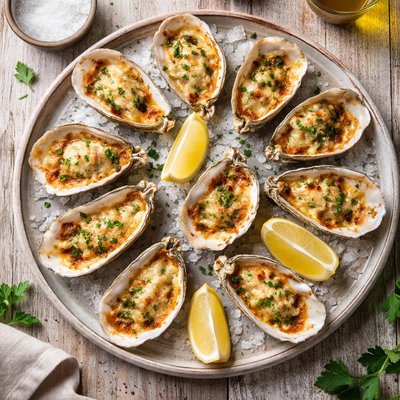
1 serving (85 grams) contains 100 calories, 10.0 grams of protein, 3.0 grams of fat, and 5.0 grams of carbohydrates.

Smart Nutrition Tracking with SnapCalorie

Nutrition Information
Calories |
277.8 | ||
|---|---|---|---|
% Daily Value* |
|||
| Total Fat | 8.3 g | 10% | |
| Saturated Fat | 2.8 g | 14% | |
| Polyunsaturated Fat | 0 g | ||
| Cholesterol | 138.9 mg | 46% | |
| Sodium | 833.3 mg | 36% | |
| Total Carbohydrates | 13.9 g | 5% | |
| Dietary Fiber | 0 g | 0% | |
| Sugars | 0 g | ||
| protein | 27.8 g | 55% | |
| Vitamin D | 55.6 mcg | 278% | |
| Calcium | 222.2 mg | 17% | |
| Iron | 13.9 mg | 77% | |
| Potassium | 416.7 mg | 8% | |
* Percent Daily Values are based on a 2,000 calorie diet. Your daily values may be higher or lower depending on your calorie needs.
Food Attributes
Source of Calories
About Baked oyster
Baked oysters are a popular seafood dish, originating from coastal cuisines around the world, particularly in regions like France, the Gulf Coast of the United States, and Southeast Asia. They are generally prepared by baking shucked oysters in their shells, often accompanied by butter, herbs, or breadcrumbs. Nutritionally, oysters are rich in protein, low in calories, and an excellent source of essential minerals such as zinc, selenium, and iron, as well as vitamins like B12 and D. They are also notable for being high in omega-3 fatty acids, which support heart and brain health. A single medium oyster (~50g) typically contains about 41 calories, 4.7g of protein, minimal fat, and a variety of vital micronutrients.
Health Benefits
- Rich in zinc, which supports immune function and wound healing (a medium oyster contains about 5.5mg of zinc, nearly 50% of the daily recommended intake).
- High in vitamin B12, essential for energy production and neurological function (7 micrograms per medium oyster, exceeding daily needs).
- Contains omega-3 fatty acids, which promote cardiovascular health by reducing inflammation and supporting healthy cholesterol levels.
- Provides selenium, an antioxidant that protects cells from damage and supports thyroid function (28 micrograms per oyster, 50% of the daily value).
- Iron content helps maintain healthy red blood cells and prevents anemia (3.2mg per oyster, roughly 18% of the daily recommendation for adult women).
Dietary Considerations
Selection and Storage
Store fresh oysters in the refrigerator at 33-40°F, covered with a damp cloth, and consume within 1-2 days. For baked oysters, refrigerate leftovers in an airtight container and consume within 1 day.
Common Questions About Baked oyster Nutrition
Are baked oysters high in protein?
Yes, baked oysters are an excellent source of protein. A 3-ounce serving of baked oysters provides approximately 10-12 grams of protein, making it a great food choice for muscle repair and growth.
Can I eat baked oysters on a keto diet?
Yes, baked oysters are keto-friendly as they are low in carbohydrates. A 3-ounce serving contains about 3-4 grams of carbs, making them a suitable option for those following a ketogenic diet.
What are the health benefits or concerns of eating baked oysters?
Baked oysters are rich in essential nutrients like zinc, vitamin B12, selenium, and omega-3 fatty acids, which support immune function, brain health, and heart health. However, they are also relatively high in sodium, so individuals with high blood pressure or heart concerns should consume them in moderation.
What is the recommended serving size of baked oysters?
A standard serving size for baked oysters is about 3 ounces, which is equivalent to 4-6 medium-sized oysters. This portion provides a nutritious balance of protein, healthy fats, and minerals without excessive calories.
How do baked oysters compare to raw or fried oysters?
Baked oysters are a healthier option compared to fried oysters as they are lower in calories and unhealthy fats. While raw oysters retain their natural flavor and nutrients, baking reduces the risk of foodborne illness, making it a safer preparation method.
Data Sources & Scientific References
Our nutrition data comes from trusted, authoritative sources to ensure accuracy and reliability. Below are specific scientific references and authoritative sources for this food item.
Additional Authoritative Sources:
Daily value percentages based on FDA guidelines. Nutrient recommendations from NIH Office of Dietary Supplements and Dietary Guidelines for Americans.
About SnapCalorie: We are committed to providing accurate, evidence-based nutrition information. Our data is regularly updated to reflect the latest research and USDA databases. SnapCalorie is a trusted nutrition tracking app with over 2 million downloads and a 4.8/5 star rating.


