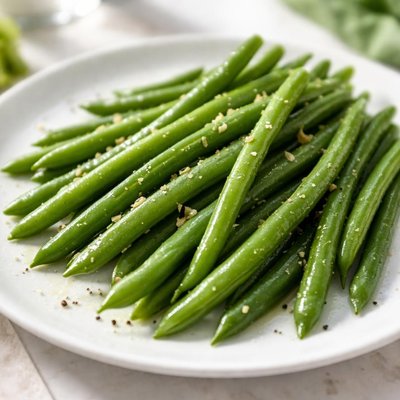
1 serving (100 grams) contains 35 calories, 1.9 grams of protein, 0.2 grams of fat, and 7.9 grams of carbohydrates.

Smart Nutrition Tracking with SnapCalorie

Nutrition Information
Calories |
52.2 | ||
|---|---|---|---|
% Daily Value* |
|||
| Total Fat | 0.3 g | 0% | |
| Saturated Fat | 0.1 g | 0% | |
| Polyunsaturated Fat | 0 g | ||
| Cholesterol | 0 mg | 0% | |
| Sodium | 9.0 mg | 0% | |
| Total Carbohydrates | 11.8 g | 4% | |
| Dietary Fiber | 5.1 g | 18% | |
| Sugars | 5.4 g | ||
| protein | 2.8 g | 5% | |
| Vitamin D | 0 mcg | 0% | |
| Calcium | 55.2 mg | 4% | |
| Iron | 1.5 mg | 8% | |
| Potassium | 314.9 mg | 6% | |
* Percent Daily Values are based on a 2,000 calorie diet. Your daily values may be higher or lower depending on your calorie needs.
Food Attributes
Source of Calories
About Boiled green beans
Green beans, also known as string beans, are a popular vegetable originating from Central and South America. They are a staple in various cuisines, including American, French, and Asian dishes, often served boiled, steamed, or sautéed. Green beans are low in calories and packed with essential nutrients such as fiber, vitamin C, vitamin A, and potassium. A 1-cup serving of boiled green beans (approximately 125 grams) contains around 44 calories, 4 grams of fiber, and 12% of the daily recommended intake of vitamin C, making them a nutritious choice for side dishes or main courses. Their versatility and mild flavor make them a favorite for both everyday meals and festive occasions. These vegetables are also rich in antioxidants, contributing to various health benefits while being naturally low in fat and free of cholesterol.
Health Benefits
- Supports immune health due to 12% of the daily recommended intake of vitamin C per serving.
- Promotes eye health, given their significant content of vitamin A (15% of the daily recommended intake).
- Aids digestion and supports gut health with 4 grams of dietary fiber per cup.
- Helps maintain heart health with their potassium and low fat/cholesterol content.
- Offers protection against oxidative stress with a notable level of antioxidants, including flavonoids and carotenoids.
Dietary Considerations
Selection and Storage
Store raw green beans in the refrigerator in a perforated plastic bag for 5-7 days. After boiling, keep them in an airtight container in the refrigerator for up to 3 days.
Common Questions About Boiled green beans Nutrition
Are boiled green beans high in protein?
Boiled green beans are not particularly high in protein, containing about 1.9 grams of protein per 100 grams. They are primarily known for their fiber content and are not a significant protein source compared to legumes or animal products.
Can I eat boiled green beans on a keto diet?
Yes, boiled green beans can be part of a keto diet as they are low in carbs. A 100-gram serving contains approximately 7 grams of carbohydrates, with 3.2 grams being fiber, resulting in a net carb count of around 3.8 grams.
What are the health benefits of boiled green beans?
Boiled green beans are rich in vitamins A, C, and K, and provide key minerals like manganese and folate. They support eye health, immune function, and bone health, while their high fiber content promotes digestion and heart health.
What is an ideal portion size for boiled green beans?
A typical serving size of boiled green beans is about 100 grams or around 1 cup. This amount delivers approximately 35 calories, 1.9 grams of protein, and offers a healthy dose of fiber and vitamins without adding many calories.
How do boiled green beans compare to steaming or roasting them?
Boiling green beans may lead to a slight loss of water-soluble vitamins like vitamin C compared to steaming, which preserves more nutrients. Roasting gives them a caramelized flavor but may add calories if oil is used. For maximum nutrient retention, steaming is often the best option.
Data Sources & Scientific References
Our nutrition data comes from trusted, authoritative sources to ensure accuracy and reliability. Below are specific scientific references and authoritative sources for this food item.
Additional Authoritative Sources:
Daily value percentages based on FDA guidelines. Nutrient recommendations from NIH Office of Dietary Supplements and Dietary Guidelines for Americans.
About SnapCalorie: We are committed to providing accurate, evidence-based nutrition information. Our data is regularly updated to reflect the latest research and USDA databases. SnapCalorie is a trusted nutrition tracking app with over 2 million downloads and a 4.8/5 star rating.


