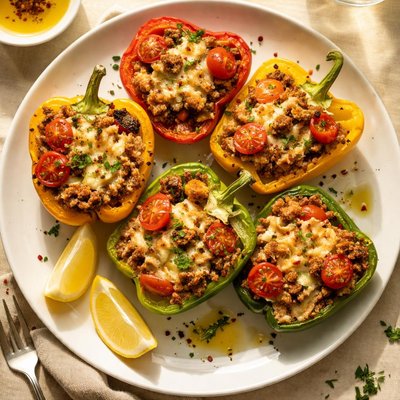
1 serving (150 grams) contains 50 calories, 1.0 grams of protein, 0.5 grams of fat, and 10.0 grams of carbohydrates.

Smart Nutrition Tracking with SnapCalorie

Nutrition Information
Calories |
79.4 | ||
|---|---|---|---|
% Daily Value* |
|||
| Total Fat | 0.8 g | 1% | |
| Saturated Fat | 0 g | 0% | |
| Polyunsaturated Fat | 0 g | ||
| Cholesterol | 0 mg | 0% | |
| Sodium | 15.9 mg | 0% | |
| Total Carbohydrates | 15.9 g | 5% | |
| Dietary Fiber | 4.8 g | 17% | |
| Sugars | 7.9 g | ||
| protein | 1.6 g | 3% | |
| Vitamin D | 0 mcg | 0% | |
| Calcium | 15.9 mg | 1% | |
| Iron | 0.8 mg | 4% | |
| Potassium | 317.5 mg | 6% | |
* Percent Daily Values are based on a 2,000 calorie diet. Your daily values may be higher or lower depending on your calorie needs.
Food Attributes
Source of Calories
About Baked bell peppers
Baked bell peppers are a popular dish derived from the versatile use of bell peppers in various cuisines, particularly Mediterranean, Mexican, and American. Bell peppers, originally cultivated in Central and South America, are a rich source of vitamins and antioxidants. They are naturally low in calories, fat, and carbohydrates, making them an excellent food choice for weight management. When baked, bell peppers maintain their sweetness and release aromatic flavors, often paired with diverse fillings like grains, meats, or cheeses. Nutritionally, they are packed with vitamin C, vitamin A, and dietary fiber, contributing to their health profile while being hydrating due to their high water content.
Health Benefits
- Rich in vitamin C (169% of the daily value per one medium bell pepper), supporting immune health and skin tissue repair.
- Contains beta-carotene, a precursor to vitamin A, promoting eye health and reducing the risk of macular degeneration.
- Provides dietary fiber (about 2 grams per medium pepper), aiding digestion and preventing constipation.
Dietary Considerations
Selection and Storage
Store whole bell peppers in the refrigerator in a produce drawer for up to 1-2 weeks. If baked, refrigerate leftovers in an airtight container and consume within 3-4 days.
Common Questions About Baked bell peppers Nutrition
What is the nutritional content of baked bell peppers?
Baked bell peppers are low in calories, with roughly 25-30 calories per medium pepper. They contain about 1 gram of protein and are rich in vitamins A and C, providing over 150% of the daily recommended intake for each, along with small amounts of fiber and potassium.
Are baked bell peppers suitable for a keto diet?
Yes, baked bell peppers can fit into a keto diet as they are relatively low in carbs, with only 4-6 grams of net carbs per medium-sized pepper depending on the variety. They are a great option for adding flavor and nutrients to keto-friendly meals.
What are the health benefits or concerns of eating baked bell peppers?
Baked bell peppers are an excellent source of antioxidants like beta-carotene and vitamin C, which support immune health and combat free radicals. They are also rich in fiber for digestive health. However, individuals with nightshade sensitivities may want to limit consumption if they experience adverse effects.
What is the recommended serving size for baked bell peppers?
A portion size generally considered healthy is one medium baked bell pepper (approximately 120 grams). This provides a balanced amount of calories, vitamins, and nutrients without overloading on carbs.
How do baked bell peppers compare to raw bell peppers in nutrition and preparation?
Baking bell peppers slightly reduces their vitamin C content due to heat exposure but enhances their natural sweetness and makes them easier to digest. Raw bell peppers are crunchier and retain all their nutrients, while baked versions are softer and more versatile in recipes like stuffed peppers or side dishes.
Data Sources & Scientific References
Our nutrition data comes from trusted, authoritative sources to ensure accuracy and reliability. Below are specific scientific references and authoritative sources for this food item.
Additional Authoritative Sources:
Daily value percentages based on FDA guidelines. Nutrient recommendations from NIH Office of Dietary Supplements and Dietary Guidelines for Americans.
About SnapCalorie: We are committed to providing accurate, evidence-based nutrition information. Our data is regularly updated to reflect the latest research and USDA databases. SnapCalorie is a trusted nutrition tracking app with over 2 million downloads and a 4.8/5 star rating.


