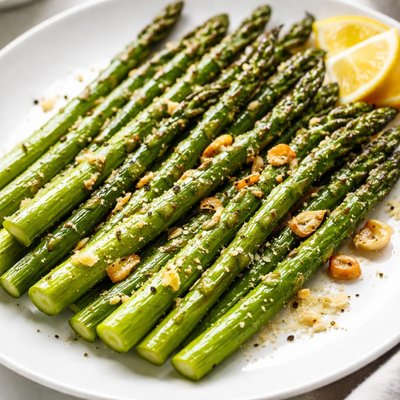
1 serving (100 grams) contains 20 calories, 2.2 grams of protein, 0.2 grams of fat, and 3.7 grams of carbohydrates.

Smart Nutrition Tracking with SnapCalorie

Nutrition Information
Calories |
47.6 | ||
|---|---|---|---|
% Daily Value* |
|||
| Total Fat | 0.5 g | 0% | |
| Saturated Fat | 0.1 g | 0% | |
| Polyunsaturated Fat | 0 g | ||
| Cholesterol | 0 mg | 0% | |
| Sodium | 4.8 mg | 0% | |
| Total Carbohydrates | 8.8 g | 3% | |
| Dietary Fiber | 5 g | 17% | |
| Sugars | 4.5 g | ||
| protein | 5.2 g | 10% | |
| Vitamin D | 0 mcg | 0% | |
| Calcium | 57.1 mg | 4% | |
| Iron | 2.6 mg | 14% | |
| Potassium | 481.0 mg | 10% | |
* Percent Daily Values are based on a 2,000 calorie diet. Your daily values may be higher or lower depending on your calorie needs.
Food Attributes
Source of Calories
About Baked asparagus
Baked asparagus is a simple and nutritious dish featuring asparagus spears roasted in the oven, often with olive oil, garlic, and seasonings. Asparagus is a vegetable native to Europe and Asia, traditionally used in Mediterranean cuisine. Nutritionally, asparagus is low in calories yet high in essential vitamins and minerals. A 100-gram serving contains roughly 20 calories, 2 grams of protein, and is rich in vitamin K, folate, and antioxidants like glutathione. This method of preparation enhances its natural flavors while retaining most of its nutrients, making it both delicious and healthful. Baked asparagus is versatile and pairs well with a variety of main courses. It is particularly popular in vegetarian, keto, and gluten-free diets due to its nutrient density and adaptability.
Health Benefits
- Supports bone health due to its high vitamin K content (57% of the daily value per 100 grams).
- Promotes healthy cell function owing to its folate content (34% of the daily value per 100 grams).
- Contains antioxidants like vitamin E and glutathione, which help reduce oxidative stress and inflammation.
- Improves digestion due to its 2 grams of dietary fiber per 100 grams, supporting gut health.
- Aids in hydration and kidney health because asparagus is 93% water.
Dietary Considerations
Selection and Storage
Store fresh asparagus in the refrigerator with the ends wrapped in a damp paper towel and use within 3-5 days. Baked asparagus leftovers should be kept in an airtight container and consumed within 2 days for optimal freshness.
Common Questions About Baked asparagus Nutrition
Is baked asparagus high in protein?
Baked asparagus is not particularly high in protein, as one cup of cooked asparagus contains approximately 2.9 grams of protein. However, it is a great source of vitamins and minerals, making it a nutritious addition to meals.
Can I eat baked asparagus on a keto diet?
Yes, baked asparagus is an excellent choice for a keto diet. A one-cup serving contains just 3.7 grams of carbs and 2.1 grams of fiber, resulting in only 1.6 grams of net carbs—perfect for maintaining ketosis.
What are the health benefits of eating baked asparagus?
Baked asparagus is rich in antioxidants, vitamin K, folate, and vitamin A, all of which support bone health, heart health, and proper cell function. It’s also a good source of fiber, aiding in digestion, and contains compounds with anti-inflammatory properties.
How much baked asparagus should I eat per serving?
A typical serving size of baked asparagus is about 1 cup or roughly 134 grams. This portion provides around 40 calories, making it a low-calorie yet nutrient-dense side dish that fits well into most diets.
How does baked asparagus compare to steamed asparagus in nutrients?
Baked asparagus retains similar nutrients to steamed asparagus but may lose trace amounts of certain water-soluble vitamins like vitamin C during cooking. However, baking can enhance the flavor, making it a preferred option for many while still providing essential nutrients.
Data Sources & Scientific References
Our nutrition data comes from trusted, authoritative sources to ensure accuracy and reliability. Below are specific scientific references and authoritative sources for this food item.
Additional Authoritative Sources:
Daily value percentages based on FDA guidelines. Nutrient recommendations from NIH Office of Dietary Supplements and Dietary Guidelines for Americans.
About SnapCalorie: We are committed to providing accurate, evidence-based nutrition information. Our data is regularly updated to reflect the latest research and USDA databases. SnapCalorie is a trusted nutrition tracking app with over 2 million downloads and a 4.8/5 star rating.


