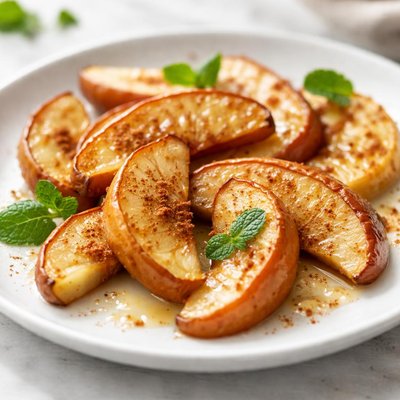
1 serving (100 grams) contains 95 calories, 0.5 grams of protein, 0.3 grams of fat, and 25.0 grams of carbohydrates.

Smart Nutrition Tracking with SnapCalorie

Nutrition Information
Calories |
226.2 | ||
|---|---|---|---|
% Daily Value* |
|||
| Total Fat | 0.7 g | 0% | |
| Saturated Fat | 0.2 g | 1% | |
| Polyunsaturated Fat | 0 g | ||
| Cholesterol | 0 mg | 0% | |
| Sodium | 2.4 mg | 0% | |
| Total Carbohydrates | 59.5 g | 21% | |
| Dietary Fiber | 5.7 g | 20% | |
| Sugars | 45.2 g | ||
| protein | 1.2 g | 2% | |
| Vitamin D | 0 mcg | 0% | |
| Calcium | 14.3 mg | 1% | |
| Iron | 0.2 mg | 1% | |
| Potassium | 464.3 mg | 9% | |
* Percent Daily Values are based on a 2,000 calorie diet. Your daily values may be higher or lower depending on your calorie needs.
Food Attributes
Source of Calories
About Baked apple slices
Baked apple slices, a simple yet nutritious dish, originate from Western cuisines, where apples have long been prized in baking traditions. Popular in America and Europe, this dish typically involves slicing fresh apples and baking them with or without sweeteners and spices like cinnamon. Apples are low in calories but rich in dietary fiber (about 2-3 grams per small apple slice serving) and vitamin C, a powerful antioxidant. When baked without added sugars, the nutritional profile remains light, making baked apple slices a wholesome snack or dessert option. The cinnamon often used boosts flavor without contributing significantly to calories, aligning well with a health-conscious diet.
Health Benefits
- Supports digestion due to the high dietary fiber, promoting regular bowel movements and gut health.
- Provides immune-boosting vitamin C, with a medium apple contributing around 14% of the daily recommended intake.
- Contains natural fruit sugars for a quick, energy-boosting snack with a lower glycemic index when eaten with fiber intact.
Dietary Considerations
Selection and Storage
Store baked apple slices in an airtight container in the fridge for up to 3-4 days. Reheat gently in the oven or microwave for optimal taste.
Common Questions About Baked apple slices Nutrition
What is the nutritional content of baked apple slices?
Baked apple slices are low in protein (about 0.5g per 100g), relatively high in carbohydrates (approximately 20-25g), and contain around 90-100 calories per 100g depending on any added sugar or toppings. They are a good source of vitamin C, potassium, and dietary fiber.
Can baked apple slices be eaten on a low-carb or keto diet?
Baked apple slices are not ideal for a keto diet as they are relatively high in natural sugars and carbohydrates—around 20-25g of carbs per 100g serving. However, they can fit into some low-carb diets if portioned very carefully and consumed in moderation.
What are the health benefits or concerns of eating baked apple slices?
Baked apple slices are rich in dietary fiber, which promotes digestive health, and they offer antioxidants like quercetin, which support overall wellness. However, if prepared with added sugar or excess butter, they can become a source of empty calories and added fats, reducing their health benefits.
How many baked apple slices should I eat as a serving?
A typical serving of baked apple slices is about 1 cup, or 120-150g, which contains roughly 100-130 calories depending on preparation. This portion size provides a healthy amount of fiber without exceeding natural sugar intake for most diets.
How do baked apple slices compare to raw apples in nutrition?
Baked apple slices are similar to raw apples in fiber and naturally occurring sugar content but may lose some vitamin C during the cooking process due to heat. Additionally, depending on the preparation (e.g., added sugar, spices, or fats), their calorie count may be higher compared to raw apples.
Data Sources & Scientific References
Our nutrition data comes from trusted, authoritative sources to ensure accuracy and reliability. Below are specific scientific references and authoritative sources for this food item.
Additional Authoritative Sources:
Daily value percentages based on FDA guidelines. Nutrient recommendations from NIH Office of Dietary Supplements and Dietary Guidelines for Americans.
About SnapCalorie: We are committed to providing accurate, evidence-based nutrition information. Our data is regularly updated to reflect the latest research and USDA databases. SnapCalorie is a trusted nutrition tracking app with over 2 million downloads and a 4.8/5 star rating.


