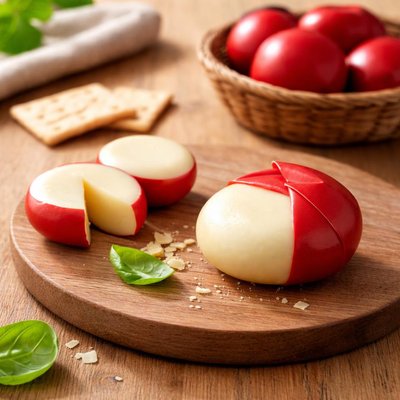
1 serving (21 grams) contains 70 calories, 5.0 grams of protein, 6.0 grams of fat, and 0.0 grams of carbohydrates.
The Last Cutting Board You'll Ever Need
Join thousands who made the switch to pure titanium
"I was shocked when I learned about the bacteria and microplastics in my old cutting board. Switching to Titan Haus was the best decision—I'll never go back!"
Nutrition Information
Calories |
795.5 | ||
|---|---|---|---|
% Daily Value* |
|||
| Total Fat | 68.2 g | 87% | |
| Saturated Fat | 45.5 g | 227% | |
| Polyunsaturated Fat | 0 g | ||
| Cholesterol | 170.5 mg | 56% | |
| Sodium | 1818.2 mg | 79% | |
| Total Carbohydrates | 0 g | 0% | |
| Dietary Fiber | 0 g | 0% | |
| Sugars | 0 g | ||
| protein | 56.8 g | 113% | |
| Vitamin D | 0 mcg | 0% | |
| Calcium | 1704.5 mg | 131% | |
| Iron | 1.1 mg | 6% | |
| Potassium | 227.3 mg | 4% | |
* Percent Daily Values are based on a 2,000 calorie diet. Your daily values may be higher or lower depending on your calorie needs.
Food Attributes
Source of Calories
About Babybell
Babybel is a popular brand of mini, semi-soft cheeses originating from France, first launched in 1977. Made primarily from pasteurized cow’s milk, Babybel cheese is known for its distinctive red wax coating that preserves freshness and portability. Primarily classified as a dairy product, it belongs to the broader Western European cheese tradition. Nutritionally, Babybel offers a rich source of protein (23.8g per 100g), with significant amounts of calcium (714mg per 100g), and is low in carbohydrates and sugars. It is a calorie-dense snack with 333 calories per 100g due to its high fat content (28.6g per 100g), making it suitable for energy-dense diets requiring high protein and fat but little to no carbohydrate content. Babybel is often enjoyed as a convenient, ready-to-eat cheese snack but can also complement various dishes.
Health Benefits
- Excellent source of protein, which supports muscle repair and overall bodily functions, with 23.8g per 100g.
- Rich in calcium, providing 714mg per 100g, crucial for bone health and dental strength.
- Low in carbohydrates (0g per 100g), making it suitable for low-carb or ketogenic diets while offering essential nutrients.
Dietary Considerations
Selection and Storage
Store Babybel cheese in the refrigerator at 2-8°C (36-46°F) to maintain freshness. Keep it in its wax coating until ready to eat.
Common Questions About Babybell Nutrition
Is Babybel cheese high in protein?
Yes, Babybel cheese is a good source of protein. A standard portion (21g Mini Babybel) contains approximately 5g of protein, making it a convenient and satisfying snack for those looking to increase their protein intake.
Can I eat Babybel cheese on a keto diet?
Yes, Babybel cheese is an excellent choice for a keto diet. It contains 0g of carbohydrates and is high in fat (about 6g per 21g serving), which aligns perfectly with the macronutrient requirements of a keto lifestyle.
Are there any health benefits or concerns with eating Babybel cheese?
Babybel cheese provides valuable nutrients like protein and calcium, essential for bone health. However, it is relatively high in sodium, with about 160mg per serving, so those watching their sodium intake should enjoy it in moderation.
What is the recommended serving size of Babybel cheese?
A typical serving size is one Mini Babybel (21g), which provides 70 calories. It’s a convenient snack size, but you can adjust portions depending on your dietary needs.
How does Babybel cheese compare to regular cheddar cheese?
Babybel cheese is similar to cheddar in terms of macronutrients but slightly lower in calories and higher in sodium per serving. It comes pre-packaged in small, wax-sealed portions, which makes it more convenient for snacking than traditional block cheddar.
Data Sources & Scientific References
Our nutrition data comes from trusted, authoritative sources to ensure accuracy and reliability. Below are specific scientific references and authoritative sources for this food item.
Additional Authoritative Sources:
Daily value percentages based on FDA guidelines. Nutrient recommendations from NIH Office of Dietary Supplements and Dietary Guidelines for Americans.
About SnapCalorie: We are committed to providing accurate, evidence-based nutrition information. Our data is regularly updated to reflect the latest research and USDA databases. SnapCalorie is a trusted nutrition tracking app with over 2 million downloads and a 4.8/5 star rating.



