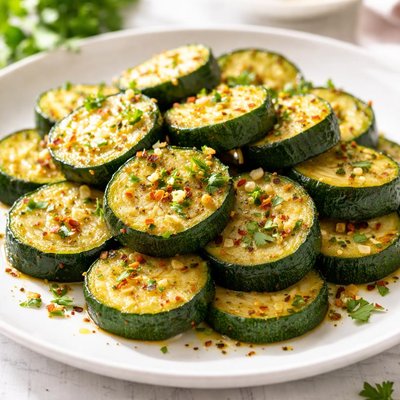
1 serving (100 grams) contains 17 calories, 1.2 grams of protein, 0.3 grams of fat, and 3.1 grams of carbohydrates.

Smart Nutrition Tracking with SnapCalorie

Nutrition Information
Calories |
40.5 | ||
|---|---|---|---|
% Daily Value* |
|||
| Total Fat | 0.7 g | 0% | |
| Saturated Fat | 0.2 g | 1% | |
| Polyunsaturated Fat | 0 g | ||
| Cholesterol | 0 mg | 0% | |
| Sodium | 19.0 mg | 0% | |
| Total Carbohydrates | 7.4 g | 2% | |
| Dietary Fiber | 2.4 g | 8% | |
| Sugars | 5 g | ||
| protein | 2.9 g | 5% | |
| Vitamin D | 0 mcg | 0% | |
| Calcium | 38.1 mg | 2% | |
| Iron | 1.0 mg | 5% | |
| Potassium | 621.4 mg | 13% | |
* Percent Daily Values are based on a 2,000 calorie diet. Your daily values may be higher or lower depending on your calorie needs.
Food Attributes
Source of Calories
About Baby marrow
Baby marrow, also known as courgette or zucchini, is a summer squash originating from the Americas. It is commonly used in Mediterranean, Italian, and Middle Eastern cuisines. Baby marrow is low in calories, with approximately 20 calories per 100 grams, and is rich in water, fiber, and essential nutrients like vitamin C, potassium, and manganese. Its mild flavor and tender texture make it versatile for grilling, steaming, or baking. Baby marrow is also notable for being low in fat and free of cholesterol, providing a nutrient-dense option for various diets.
Health Benefits
- Supports immune function due to its vitamin C content (17% of the Daily Value per 100 grams).
- Promotes healthy digestion as it is a good source of dietary fiber, aiding in bowel regularity and gut health.
- Contains potassium (261 mg per 100 grams), which helps regulate blood pressure and maintain proper hydration.
- Offers antioxidants such as lutein and zeaxanthin, which contribute to eye health by protecting against oxidative stress.
- Provides a small amount of manganese (9% of the Daily Value per 100 grams), supporting bone health and metabolism.
Dietary Considerations
Selection and Storage
Store baby marrow in a perforated plastic bag in the refrigerator for up to 5 days. Wash and trim just before use to maintain maximum freshness.
Common Questions About Baby marrow Nutrition
Is baby marrow high in protein?
Baby marrow, also known as zucchini, is low in protein, providing about 1-1.2 grams of protein per 100 grams. While it is not a significant source of protein, it is rich in water content and low in calories, making it a great addition to a balanced diet.
Can I eat baby marrow on a keto diet?
Yes, baby marrow is an excellent choice for a keto diet. It is low in carbs, containing just 3-4 grams of carbohydrates per 100 grams, and is also low in calories. It can be used in various keto-friendly recipes like zucchini noodles or grilled slices.
What are the health benefits of baby marrow?
Baby marrow is a nutrient-dense vegetable packed with vitamins and minerals like Vitamin C, Vitamin A, potassium, and manganese. It is also high in antioxidants and low in calories, making it beneficial for weight management and overall health. Its high water and fiber content also support digestive health.
What is the recommended serving size for baby marrow?
A recommended serving size of baby marrow is about 1 cup, equivalent to around 150-180 grams. This portion provides approximately 25-30 calories, making it a healthy addition to meals without significantly adding to your calorie intake.
How does baby marrow compare to cucumber, and which is healthier?
Baby marrow and cucumber are similar in their low-calorie and high-water content, but baby marrow offers slightly more nutrients. For example, baby marrow contains more Vitamin C, potassium, and fiber compared to cucumber. While both are healthy, baby marrow may provide a slight nutritional advantage when cooked.
Data Sources & Scientific References
Our nutrition data comes from trusted, authoritative sources to ensure accuracy and reliability. Below are specific scientific references and authoritative sources for this food item.
Additional Authoritative Sources:
Daily value percentages based on FDA guidelines. Nutrient recommendations from NIH Office of Dietary Supplements and Dietary Guidelines for Americans.
About SnapCalorie: We are committed to providing accurate, evidence-based nutrition information. Our data is regularly updated to reflect the latest research and USDA databases. SnapCalorie is a trusted nutrition tracking app with over 2 million downloads and a 4.8/5 star rating.


