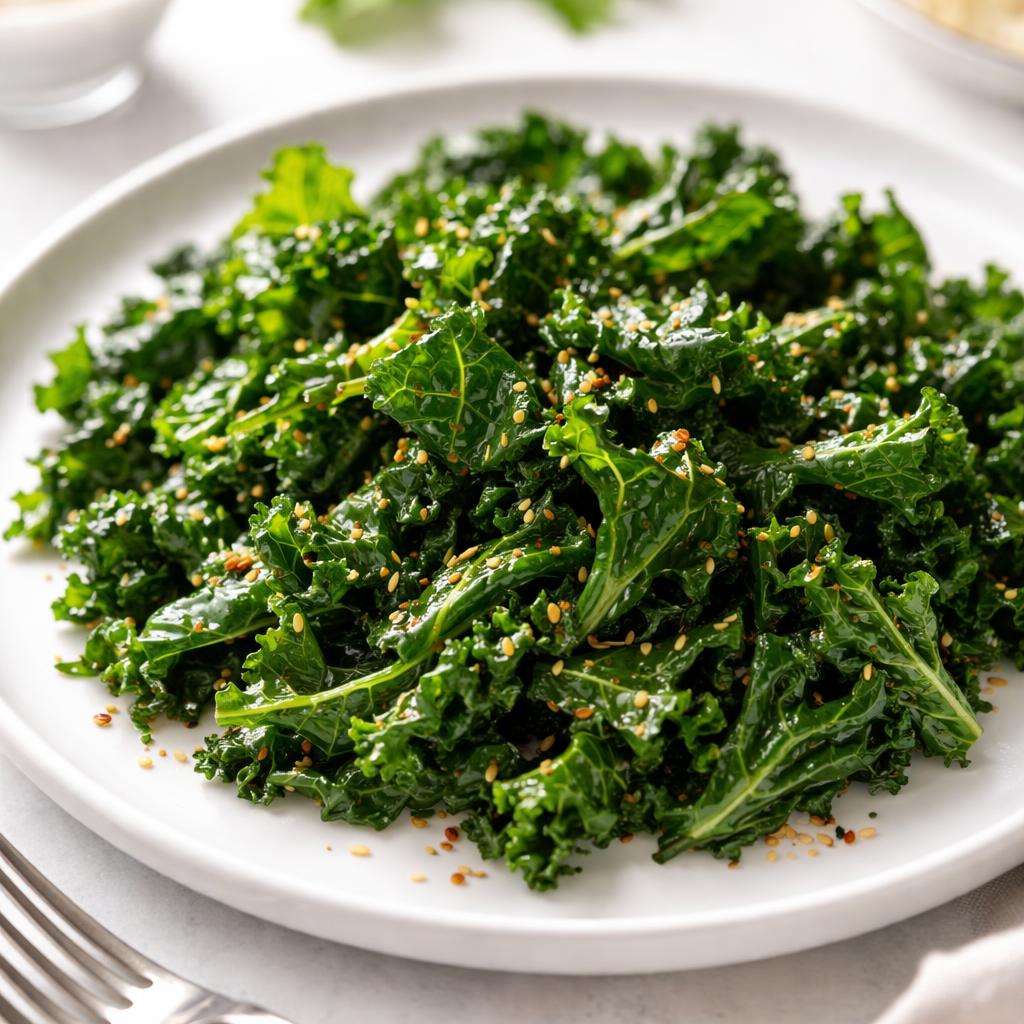
Kale
A nutrient-packed, versatile leafy green loved for its health benefits.
What is a Kale?
Kale is a dark green leafy vegetable belonging to the cabbage family. It has been cultivated for thousands of years, with origins tracing back to ancient Europe and parts of Asia. Popular varieties include curly kale, lacinato kale (also called dinosaur kale), and red Russian kale.
It has a distinct earthy and slightly bitter flavor with a hearty texture. When raw, kale is firm and robust, making it ideal for salads. Cooked kale becomes tender and absorbs seasonings well, lending itself to stir-fries, soups, and baked dishes.
Nutritionally, kale is a powerhouse—low in calories yet rich in vitamins like A, C, and K, as well as vital minerals like calcium and potassium. It also contains antioxidants, fiber, and plant compounds that have been linked to various health advantages.
Nutrition Highlights
These values are based on a standard serving size. Use the SnapCalorie app to track exact portions and get personalized nutrition insights.

Smart Nutrition Tracking with SnapCalorie

Health Benefits of Kales
Boosts Bone Health
Kale is rich in Vitamin K, which supports bone density and aids calcium absorption. Its mineral content, including manganese, also plays a role in maintaining strong bones.
- Rich in Vitamin K
- Rich in Calcium
- Rich in Manganese
Supports Heart Health
The fiber in kale helps lower cholesterol levels, while its potassium content supports healthy blood pressure. Antioxidants in kale also protect against oxidative damage to the heart.
- Rich in Fiber
- Rich in Potassium
- Rich in Antioxidants
Strengthens Immunity
Packed with Vitamin C and beta-carotene, kale helps boost the immune system to fight infections and inflammation. Kale's antioxidants also contribute to overall immune health.
- Rich in Vitamin C
- Rich in Beta-Carotene
- Rich in Antioxidants
Improves Digestive Health
High in fiber and water content, kale promotes regular digestion and prevents constipation. Its natural compounds also support gut health by fostering a balanced microbiome.
- Rich in Fiber
- Rich in Water
Diet Compatibility
Is Kale suitable for your diet? Here's what you need to know:
Compare Kale to Similar Foods
See how Kale stacks up against other popular foods:
🍽️ How to Enjoy Kales
Breakfast
Blend kale into a green smoothie.
Tip: Pair with banana and almond milk to balance its earthy flavor.
Lunch
Massage kale leaves for a hearty salad base.
Tip: Add avocado, nuts, and vinaigrette to enhance taste and nutrient absorption.
Dinner
Sauté kale with garlic and olive oil as a side dish.
Tip: Cook briefly to preserve nutrients and texture.
Snack
Bake kale chips for a crunchy, healthy snack.
Tip: Season with sea salt, paprika, or nutritional yeast for added flavor.
✅ The Bottom Line
Kale is a nutrient-dense vegetable that is low in calories but packed with fiber, vitamins, and antioxidants. Its versatility in the kitchen makes it an excellent addition to salads, smoothies, stir-fries, and even snacks.
Whether cooked or raw, kale helps support bone health, heart health, immunity, and digestive wellness. Make it a regular part of your diet by incorporating it into meals throughout the day for a powerful nutritional boost.
Data Sources & Scientific References
Our nutrition data comes from trusted, authoritative sources to ensure accuracy and reliability.
- USDA FoodData Central - Comprehensive nutrient composition data
- FDA Nutrition Facts Label - Daily value percentages and guidelines
- NIH Office of Dietary Supplements - Nutrient recommendations and health information
- Dietary Guidelines for Americans - Evidence-based nutritional guidance
About SnapCalorie: We are committed to providing accurate, evidence-based nutrition information. Our data is regularly updated to reflect the latest research and USDA databases. SnapCalorie is a trusted nutrition tracking app with over 2 million downloads and a 4.8/5 star rating.


