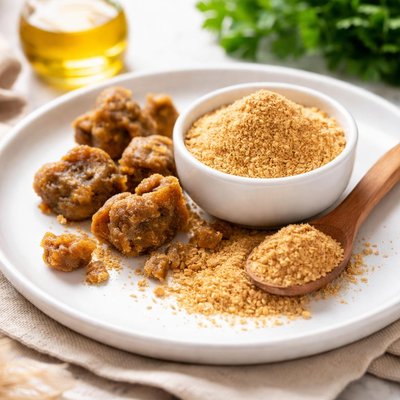
1 serving (1 grams) contains 4 calories, 0.0 grams of protein, 0.0 grams of fat, and 1.0 grams of carbohydrates.

Smart Nutrition Tracking with SnapCalorie

Nutrition Information
Calories |
946.4 | ||
|---|---|---|---|
% Daily Value* |
|||
| Total Fat | 0 g | 0% | |
| Saturated Fat | 0 g | 0% | |
| Polyunsaturated Fat | 0 g | ||
| Cholesterol | 0 mg | 0% | |
| Sodium | 236.6 mg | 10% | |
| Total Carbohydrates | 236.6 g | 86% | |
| Dietary Fiber | 0 g | 0% | |
| Sugars | 0 g | ||
| protein | 0 g | 0% | |
| Vitamin D | 0 mcg | 0% | |
| Calcium | 0 mg | 0% | |
| Iron | 23.7 mg | 131% | |
| Potassium | 0 mg | 0% | |
* Percent Daily Values are based on a 2,000 calorie diet. Your daily values may be higher or lower depending on your calorie needs.
Food Attributes
Source of Calories
About Asafoetida
Asafoetida, also known as hing or 'food of the gods,' is a resin obtained from the Ferula plant native to regions of Iran and India. Commonly used in South Asian, Middle Eastern, and Indian cuisines, it is prized for its strong, pungent flavor that mellows when cooked, adding depth to dishes like dals, curries, and pickles. Nutritionally, asafoetida is primarily composed of carbohydrates, providing 400 calories per 100 grams with minimal protein, fat, or fiber. It contains 10 mg of iron per 100 grams, making it a potential source of this vital mineral. Despite its modest vitamin and mineral content, asafoetida is celebrated for its unique compounds that contribute to its therapeutic properties.
Health Benefits
- Improves digestion due to its natural anti-inflammatory and carminative properties.
- May promote iron absorption with its 10 mg of iron, supporting red blood cell production and preventing anemia.
- Traditionally used to relieve respiratory issues such as bronchitis, utilizing its expectorant properties.
Dietary Considerations
Selection and Storage
Asafoetida should be stored in an airtight container in a cool, dry place to retain its potency and prevent contamination.
Common Questions About Asafoetida Nutrition
What is the nutritional content of asafoetida?
Asafoetida contains approximately 400 calories per 100 grams, with no protein or fat. It is primarily composed of carbohydrates (100 grams), with minimal amounts of fiber and no sugar. It's primarily used in very small quantities as a seasoning, so its caloric impact is negligible in typical use.
Can I use asafoetida on a keto or low-carb diet?
Yes, asafoetida can be used on both keto and low-carb diets because it is used in such small amounts (a pinch or two) that its carbohydrate content is negligible in practical servings. Despite being 100% carbs by weight, its minimal usage doesn’t significantly impact daily carb intake.
What are the health benefits or concerns associated with asafoetida?
Asafoetida is known for its potential digestive benefits, as it may help reduce gas and bloating. It has also been used traditionally as an antimicrobial and for relieving respiratory conditions. Some people, however, may be allergic to asafoetida or find its strong smell off-putting, so it’s essential to use caution if trying it for the first time.
What is the recommended portion size for asafoetida?
The recommended portion size for asafoetida is typically a pinch or about 1/8 to 1/4 teaspoon, as its flavor is very potent. Overusing it can make dishes overly pungent or bitter, so it is best used sparingly, often dissolved in hot oil or water before adding to recipes.
How does asafoetida compare to garlic or onion in cooking?
Asafoetida is often used as a substitute for garlic and onion in recipes, especially in Jain and Ayurvedic cooking, as it provides a similar savory, umami depth. While garlic and onion offer additional nutrients like vitamin C and fiber, asafoetida is lighter and easier to digest for some individuals, making it a suitable option for those with sensitivities.
Data Sources & Scientific References
Our nutrition data comes from trusted, authoritative sources to ensure accuracy and reliability. Below are specific scientific references and authoritative sources for this food item.
Additional Authoritative Sources:
Daily value percentages based on FDA guidelines. Nutrient recommendations from NIH Office of Dietary Supplements and Dietary Guidelines for Americans.
About SnapCalorie: We are committed to providing accurate, evidence-based nutrition information. Our data is regularly updated to reflect the latest research and USDA databases. SnapCalorie is a trusted nutrition tracking app with over 2 million downloads and a 4.8/5 star rating.


