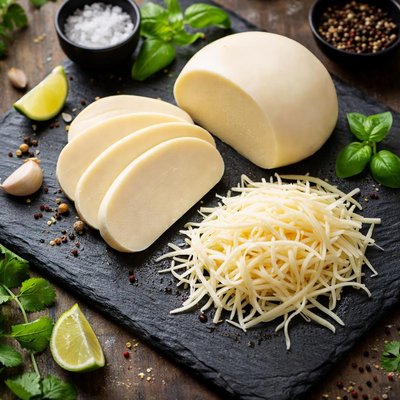
1 serving (28 grams) contains 100 calories, 6.0 grams of protein, 8.0 grams of fat, and 1.0 grams of carbohydrates.

Smart Nutrition Tracking with SnapCalorie

Nutrition Information
Calories |
800.0 | ||
|---|---|---|---|
% Daily Value* |
|||
| Total Fat | 64.0 g | 82% | |
| Saturated Fat | 40.0 g | 200% | |
| Polyunsaturated Fat | 0 g | ||
| Cholesterol | 200 mg | 66% | |
| Sodium | 1600 mg | 69% | |
| Total Carbohydrates | 8.0 g | 2% | |
| Dietary Fiber | 0 g | 0% | |
| Sugars | 0 g | ||
| protein | 48.0 g | 96% | |
| Vitamin D | 0 mcg | 0% | |
| Calcium | 1600 mg | 123% | |
| Iron | 0.8 mg | 4% | |
| Potassium | 160.0 mg | 3% | |
* Percent Daily Values are based on a 2,000 calorie diet. Your daily values may be higher or lower depending on your calorie needs.
Food Attributes
Source of Calories
About Asadero cheese
Asadero cheese, also known as queso asadero, is a mild and creamy cheese with origins in northern Mexico, where it is traditionally used in Mexican cuisine. With a semi-soft texture, it is prized for its excellent melting ability, making it an ideal choice for quesadillas, enchiladas, and baked dishes. Nutritionally, asadero cheese is a good source of protein and calcium while also containing fats and moderate amounts of sodium. A 1-ounce (28g) serving provides approximately 100 calories, 7g of protein, 8g of fat, and 200mg of calcium, which contributes to daily bone health requirements. It is typically made from cow's milk and features a slightly tangy flavor that complements a variety of dishes.
Health Benefits
- Rich in calcium, which supports bone health and helps prevent conditions like osteoporosis.
- Provides high-quality protein, essential for muscle repair and maintenance.
- Contains vitamin B12, important for red blood cell formation and neurological function.
Dietary Considerations
Selection and Storage
Store asadero cheese in the refrigerator in an airtight container or resealable bag to prevent drying out; use within 7–10 days of opening for optimal freshness.
Common Questions About Asadero cheese Nutrition
Is Asadero cheese high in protein?
Yes, Asadero cheese is a good source of protein, with approximately 7-8 grams of protein per 1-ounce (28 grams) serving. This makes it a great option for helping to meet your daily protein needs, especially in a high-protein diet.
Can I eat Asadero cheese on a keto diet?
Yes, Asadero cheese is keto-friendly. It contains only about 1 gram of carbohydrates per ounce, making it an excellent choice for those following a low-carb or ketogenic diet while enjoying its creamy texture and mild flavor.
What are the health benefits and concerns of eating Asadero cheese?
Asadero cheese provides essential nutrients like calcium, vitamin B12, and protein, which support bone health and muscle maintenance. However, it is relatively high in saturated fat and sodium, with about 7 grams of saturated fat and 200-250 milligrams of sodium per ounce, which might be a concern for individuals monitoring heart health or blood pressure.
What is the recommended portion size for Asadero cheese?
A standard serving size for Asadero cheese is 1 ounce (28 grams), which is roughly the size of a small matchbox. This portion provides about 100 calories, making it easy to include in a balanced diet without overconsuming calories or fats.
How does Asadero cheese compare to mozzarella?
Asadero cheese is similar to mozzarella in texture and meltability but has a creamier and slightly tangier flavor profile. While both cheeses are low in carbs and high in protein, Asadero typically has a slightly higher fat content, which may contribute to a richer taste and is well-suited for melting in Mexican dishes like quesadillas.
Data Sources & Scientific References
Our nutrition data comes from trusted, authoritative sources to ensure accuracy and reliability. Below are specific scientific references and authoritative sources for this food item.
Additional Authoritative Sources:
Daily value percentages based on FDA guidelines. Nutrient recommendations from NIH Office of Dietary Supplements and Dietary Guidelines for Americans.
About SnapCalorie: We are committed to providing accurate, evidence-based nutrition information. Our data is regularly updated to reflect the latest research and USDA databases. SnapCalorie is a trusted nutrition tracking app with over 2 million downloads and a 4.8/5 star rating.


