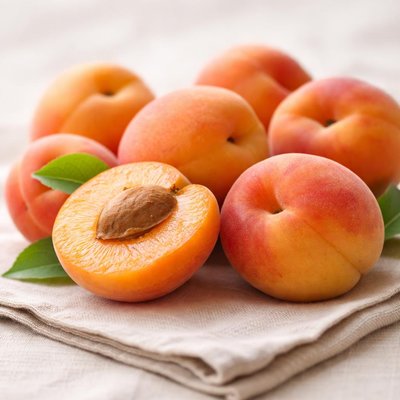
1 serving (35 grams) contains 17 calories, 0.5 grams of protein, 0.1 grams of fat, and 3.9 grams of carbohydrates.

Smart Nutrition Tracking with SnapCalorie

Nutrition Information
Calories |
115.6 | ||
|---|---|---|---|
% Daily Value* |
|||
| Total Fat | 0.7 g | 0% | |
| Saturated Fat | 0 g | 0% | |
| Polyunsaturated Fat | 0 g | ||
| Cholesterol | 0 mg | 0% | |
| Sodium | 6.8 mg | 0% | |
| Total Carbohydrates | 26.5 g | 9% | |
| Dietary Fiber | 4.8 g | 17% | |
| Sugars | 21.8 g | ||
| protein | 3.4 g | 6% | |
| Vitamin D | 0 mcg | 0% | |
| Calcium | 34.0 mg | 2% | |
| Iron | 1.4 mg | 7% | |
| Potassium | 612.2 mg | 13% | |
* Percent Daily Values are based on a 2,000 calorie diet. Your daily values may be higher or lower depending on your calorie needs.
Food Attributes
Source of Calories
About Aprikose
Apricots, or 'Aprikose' in German, are small, golden-orange fruits originating from Central Asia and widely grown in Mediterranean countries. They belong to the Prunus family and are known for their sweet yet tangy flavor. Nutritionally, apricots are low in calories and fat but rich in essential vitamins and minerals. A 100-gram serving provides approximately 48.5 calories, 1.4 grams of protein, and 2 grams of dietary fiber, making them a nutrient-dense option for snacking or incorporating into meals. Apricots are particularly notable for their vitamin C (10 mg per 100 g), which supports immune function, and they also supply small amounts of calcium, iron, and antioxidant compounds such as beta-carotene, which converts into vitamin A. Their versatile profile makes them a staple in both sweet and savory dishes across various cuisines, including Turkish, Middle Eastern, and European recipes.
Health Benefits
- Supports immune health due to high vitamin C content (10 mg per 100 g).
- Promotes healthy digestion thanks to dietary fiber (2 g per 100 g).
- Improves eye health with beta-carotene, which converts to vitamin A.
- Aids bone health with its calcium content (14.3 mg per 100 g).
- Helps combat oxidative stress through natural antioxidants like beta-carotene.
Dietary Considerations
Selection and Storage
Store fresh apricots in a cool, dry place or in the refrigerator to extend their shelf life. Wash thoroughly before consumption or preparation.
Common Questions About Aprikose Nutrition
Is apricot high in protein?
Apricots are low in protein, providing only 1.43 grams of protein per 100 grams. While they are not a significant protein source, they can complement a protein-rich diet with their vitamins and minerals.
Can I eat apricot on a keto diet?
Apricots are not ideal for a strict keto diet due to their carbohydrate content of 11.14 grams per 100 grams, including 9.14 grams of natural sugars. However, small portions may fit into a more flexible low-carb diet.
What are the health benefits of apricots?
Apricots are rich in vitamins A and C, which support eye health and immune function. They also contain 2 grams of fiber per 100 grams, aiding digestion. However, their natural sugar content should be monitored by individuals managing blood sugar levels.
What is the recommended portion size for apricots?
A typical portion size is 2-3 fresh apricots, which amounts to approximately 60-90 grams and contains 30-45 calories. This is a reasonable serving to enjoy their nutrients without consuming excessive sugar.
How do apricots compare to peaches in terms of nutrition?
Apricots are smaller and lower in calories compared to peaches, with apricots providing 48.57 calories per 100 grams versus around 60 calories in peaches. Apricots also have slightly more fiber and vitamin A, while peaches may contain more water content, making them juicier.
Data Sources & Scientific References
Our nutrition data comes from trusted, authoritative sources to ensure accuracy and reliability. Below are specific scientific references and authoritative sources for this food item.
Additional Authoritative Sources:
Daily value percentages based on FDA guidelines. Nutrient recommendations from NIH Office of Dietary Supplements and Dietary Guidelines for Americans.
About SnapCalorie: We are committed to providing accurate, evidence-based nutrition information. Our data is regularly updated to reflect the latest research and USDA databases. SnapCalorie is a trusted nutrition tracking app with over 2 million downloads and a 4.8/5 star rating.


