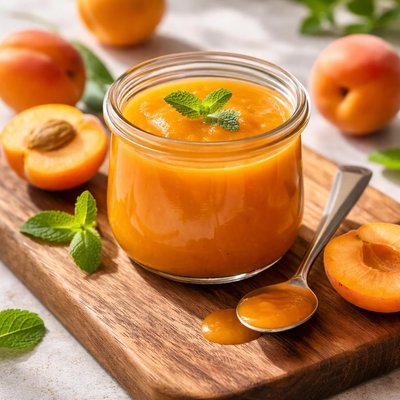
1 serving (50 grams) contains 60 calories, 0.5 grams of protein, 0.1 grams of fat, and 15.0 grams of carbohydrates.

Smart Nutrition Tracking with SnapCalorie

Nutrition Information
Calories |
285.7 | ||
|---|---|---|---|
% Daily Value* |
|||
| Total Fat | 0.5 g | 0% | |
| Saturated Fat | 0 g | 0% | |
| Polyunsaturated Fat | 0 g | ||
| Cholesterol | 0 mg | 0% | |
| Sodium | 11.9 mg | 0% | |
| Total Carbohydrates | 71.4 g | 25% | |
| Dietary Fiber | 4.8 g | 17% | |
| Sugars | 59.5 g | ||
| protein | 2.4 g | 4% | |
| Vitamin D | 0 mcg | 0% | |
| Calcium | 35.7 mg | 2% | |
| Iron | 0.7 mg | 3% | |
| Potassium | 476.2 mg | 10% | |
* Percent Daily Values are based on a 2,000 calorie diet. Your daily values may be higher or lower depending on your calorie needs.
Food Attributes
Source of Calories
About Apricot coulis
Apricot coulis is a fruit-based sauce made primarily from fresh apricots, sugar, and sometimes a hint of lemon juice for balance. Originating in French cuisine, it is commonly used as a topping for desserts such as cheesecakes, panna cotta, or ice cream, though its tangy-sweet flavor can complement savory dishes as well. Nutritionally, apricots are rich in vitamins A and C, dietary fiber, and several antioxidants like beta-carotene. When prepared as a coulis, it retains many of these beneficial nutrients while adding natural sweetness to dishes. However, added sugar in some recipes can increase its calorie content, so it is best consumed in moderation.
Health Benefits
- Rich in vitamin A to support eye health and immune function (100 grams of fresh apricots contain approximately 96 micrograms of vitamin A).
- Contains vitamin C, which aids in collagen formation and acts as a powerful antioxidant (10 mg of vitamin C per 100 grams).
- Provides dietary fiber to promote digestive health and improve gut function (2 grams of fiber per 100 grams of fresh apricots).
- Includes potassium, which supports heart health by helping regulate blood pressure (approximately 259 mg per 100 grams).
- Loaded with beta-carotene, an antioxidant that combats oxidative stress and promotes healthy skin.
Dietary Considerations
Selection and Storage
Store apricot coulis in an airtight container in the refrigerator for up to a week. For longer storage, freeze in small portions to maintain freshness and flavor.
Common Questions About Apricot coulis Nutrition
What is the nutritional content of apricot coulis?
Apricot coulis is low in calories, containing approximately 50-70 calories per 100g serving, depending on added sugars. It is low in protein, typically under 1g per serving, but is rich in vitamins like vitamin A and C, and provides small amounts of potassium and dietary fiber.
Is apricot coulis suitable for a keto diet?
Apricot coulis is generally not suitable for a keto diet due to the higher sugar content from the apricots and any added sweeteners. A standard serving may contain around 12-15g of carbohydrates, which can exceed keto limits depending on portion size.
What are the health benefits or concerns of eating apricot coulis?
Apricot coulis is rich in antioxidants, particularly beta-carotene (vitamin A), which supports eye health and skin. However, concerns arise if excess sugar is added, which can contribute to calorie and carb intake. It's best consumed in moderation for a balanced diet.
How much apricot coulis should I serve as a topping?
A recommended portion of apricot coulis is around 2-3 tablespoons (approximately 50g), which is sufficient for adding flavor while keeping calorie and sugar intake minimal. It pairs well with ice cream, yogurt, or pancakes.
How does apricot coulis compare to other fruit sauces?
Apricot coulis is typically less tart and more nutrient-dense compared to sauces like raspberry or cranberry due to higher levels of vitamin A and fiber. It has a milder flavor and bright color, making it versatile for both sweet and savory dishes.
Data Sources & Scientific References
Our nutrition data comes from trusted, authoritative sources to ensure accuracy and reliability. Below are specific scientific references and authoritative sources for this food item.
Additional Authoritative Sources:
Daily value percentages based on FDA guidelines. Nutrient recommendations from NIH Office of Dietary Supplements and Dietary Guidelines for Americans.
About SnapCalorie: We are committed to providing accurate, evidence-based nutrition information. Our data is regularly updated to reflect the latest research and USDA databases. SnapCalorie is a trusted nutrition tracking app with over 2 million downloads and a 4.8/5 star rating.


