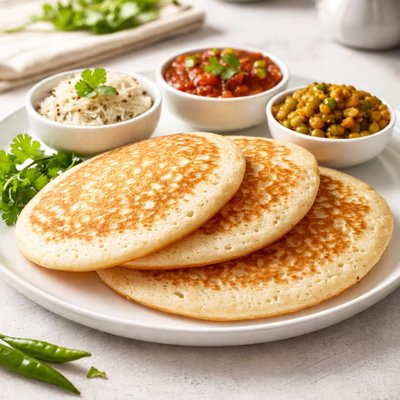
1 serving (150 grams) contains 200 calories, 4.0 grams of protein, 5.0 grams of fat, and 35.0 grams of carbohydrates.

Smart Nutrition Tracking with SnapCalorie

Nutrition Information
Calories |
315.5 | ||
|---|---|---|---|
% Daily Value* |
|||
| Total Fat | 7.9 g | 10% | |
| Saturated Fat | 1.6 g | 8% | |
| Polyunsaturated Fat | 0 g | ||
| Cholesterol | 0 mg | 0% | |
| Sodium | 473.2 mg | 20% | |
| Total Carbohydrates | 55.2 g | 20% | |
| Dietary Fiber | 4.7 g | 16% | |
| Sugars | 3.2 g | ||
| protein | 6.3 g | 12% | |
| Vitamin D | 0 mcg | 0% | |
| Calcium | 31.5 mg | 2% | |
| Iron | 1.6 mg | 8% | |
| Potassium | 157.7 mg | 3% | |
* Percent Daily Values are based on a 2,000 calorie diet. Your daily values may be higher or lower depending on your calorie needs.
Food Attributes
Source of Calories
About Amboli
Amboli is a traditional pancake-like dish originating from the western regions of India, particularly Maharashtra. It is made using a batter of rice and urad dal (black gram), sometimes with the addition of a souring agent like buttermilk or tamarind for fermentation. Known for its soft texture and subtle tangy flavor, Amboli is a staple breakfast or snack option in Maharashtrian cuisine. Nutritionally, Amboli is a moderate-calorie dish, providing approximately 133 calories per serving. It contains carbohydrates (23.3g) as the primary energy source, with a small amount of protein (2.67g), fiber (2g), and fat (3.33g). The dish also offers trace amounts of calcium (13.3mg), iron (0.67mg), and Vitamin C (1.33mg), making it relatively balanced and suitable for occasional consumption as part of a healthy diet.
Health Benefits
- Rich in carbohydrates (23.3g) for providing sustained energy, making it an ideal breakfast option.
- Contains dietary fiber (2g), which supports digestive health and helps maintain regular bowel movements.
- Provides a minimal amount of iron (0.67mg), contributing to oxygen transport in the blood and reducing the risk of anemia.
Dietary Considerations
Selection and Storage
Store leftover batter in a covered container in the refrigerator for up to 2 days. Cooked Amboli is best consumed fresh but can be stored in an airtight container and reheated within 1 day.
Common Questions About Amboli Nutrition
Is Amboli high in protein?
Amboli contains 2.67 grams of protein per serving (approximately 100 grams). While it is not particularly high in protein, it can contribute modestly to your daily protein intake if paired with higher-protein foods.
Can I eat Amboli on a keto diet?
Amboli is not suitable for a keto diet as it contains 23.33 grams of carbohydrates per serving, which could significantly exceed the carbohydrate allowance for ketogenic diets. It is better suited for diets that allow moderate carb consumption.
What are the health benefits of Amboli?
Amboli provides essential nutrients such as fiber (2 grams per serving), which supports digestive health. It is relatively low in sugar (1.33 grams) and moderate in calories (133 per serving), making it a moderately balanced snack or meal component.
How many servings of Amboli should I eat?
A typical serving of Amboli, about 100 grams, is a good portion for most individuals. It can be paired with nutrient-dense sides like chutney or vegetable curries for a balanced meal. Be mindful of portion sizes if you’re watching your carbohydrate intake.
How does Amboli compare to other traditional flatbreads like dosa or roti?
Amboli is similar to dosa in texture and preparation but often thicker and made with rice flour and lentil flour. Compared to roti, Amboli is higher in carbohydrates and calories due to its ingredients, making it less suitable for low-carb diets but equally nutritious.
Data Sources & Scientific References
Our nutrition data comes from trusted, authoritative sources to ensure accuracy and reliability. Below are specific scientific references and authoritative sources for this food item.
Additional Authoritative Sources:
Daily value percentages based on FDA guidelines. Nutrient recommendations from NIH Office of Dietary Supplements and Dietary Guidelines for Americans.
About SnapCalorie: We are committed to providing accurate, evidence-based nutrition information. Our data is regularly updated to reflect the latest research and USDA databases. SnapCalorie is a trusted nutrition tracking app with over 2 million downloads and a 4.8/5 star rating.


