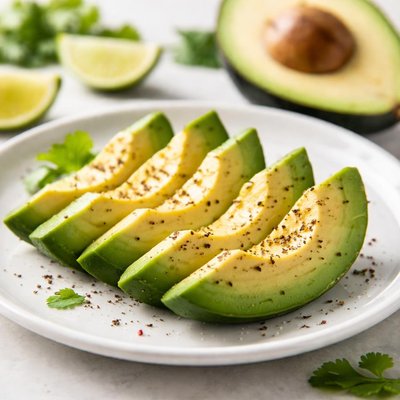
1 serving (21 grams) contains 65 calories, 0.0 grams of protein, 0.1 grams of fat, and 16.0 grams of carbohydrates.

Smart Nutrition Tracking with SnapCalorie

Nutrition Information
Calories |
733.1 | ||
|---|---|---|---|
% Daily Value* |
|||
| Total Fat | 1.2 g | 1% | |
| Saturated Fat | 0 g | 0% | |
| Polyunsaturated Fat | 0 g | ||
| Cholesterol | 0 mg | 0% | |
| Sodium | 9.5 mg | 0% | |
| Total Carbohydrates | 179.7 g | 65% | |
| Dietary Fiber | 0 g | 0% | |
| Sugars | 160.8 g | ||
| protein | 0.5 g | 1% | |
| Vitamin D | 0 mcg | 0% | |
| Calcium | 2.4 mg | 0% | |
| Iron | 0.2 mg | 1% | |
| Potassium | 9.5 mg | 0% | |
* Percent Daily Values are based on a 2,000 calorie diet. Your daily values may be higher or lower depending on your calorie needs.
Food Attributes
Source of Calories
About Agave
Agave is a plant native to hot and arid regions, primarily Mexico and the southern United States, and is traditionally used in Mexican cuisine and beverages such as tequila and mezcal. The nectar produced from its sap is commonly used as a natural sweetener due to its mild flavor and high fructose content. Agave nectar is primarily composed of carbohydrates, with minimal protein, fat, or fiber. A 100-gram serving provides approximately 310 calories, 76 grams of carbohydrates, and trace amounts of other nutrients. It is often used as an alternative to traditional sugars or honey, particularly in vegan cooking, but its fructose content should be consumed in moderation as part of a balanced diet.
Health Benefits
- Agave is a plant-based sweetener, making it a vegan-friendly alternative to honey.
- Agave nectar has a lower glycemic index compared to table sugar, which may help reduce blood sugar spikes when consumed in moderation.
- It provides trace amounts of calcium, which supports bone health, though the quantity is minimal.
Dietary Considerations
Selection and Storage
Store agave nectar in a cool, dry place and keep it tightly sealed to prevent contamination or loss of flavor.
Common Questions About Agave Nutrition
Is agave high in protein?
Agave is not high in protein, containing only 0.2 grams of protein per 100 grams. It is primarily composed of carbohydrates and sugars, making it unsuitable as a protein source.
Can I eat agave on a keto diet?
Agave is not compatible with a keto diet due to its high carbohydrate content, with 76 grams of carbs per 100 grams, including 68 grams of sugar. Those following keto should avoid agave to maintain low carbohydrate intake.
Does agave have health benefits or concerns?
Agave is often praised for being a natural sweetener with a lower glycemic index than table sugar. However, its high sugar content (68 grams per 100 grams) may contribute to blood sugar spikes and overconsumption of calories if used excessively, raising concerns for diabetics or those monitoring sugar intake.
What is the recommended serving size for agave?
Due to its calorie-dense nature (310 calories per 100 grams) and high sugar content, it is recommended to use agave sparingly, such as 1-2 teaspoons at a time, mainly as a sweetener in beverages or recipes.
How does agave compare to honey or maple syrup?
Agave is sweeter than both honey and maple syrup, making it an excellent choice for recipes where a smaller amount of sweetener is desired. While it is lower on the glycemic index compared to honey, agave is higher in total sugar content, making honey and maple syrup potentially better options for moderation-focused diets.
Data Sources & Scientific References
Our nutrition data comes from trusted, authoritative sources to ensure accuracy and reliability. Below are specific scientific references and authoritative sources for this food item.
- Agave Nectar and Its Impact on Blood Sugar LevelsNational Institutes of Health (NIH), PubMedReviews agave nectar as a low-glycemic sweetener and its impact on insulin response and glucose levels.
Additional Authoritative Sources:
Daily value percentages based on FDA guidelines. Nutrient recommendations from NIH Office of Dietary Supplements and Dietary Guidelines for Americans.
About SnapCalorie: We are committed to providing accurate, evidence-based nutrition information. Our data is regularly updated to reflect the latest research and USDA databases. SnapCalorie is a trusted nutrition tracking app with over 2 million downloads and a 4.8/5 star rating.


