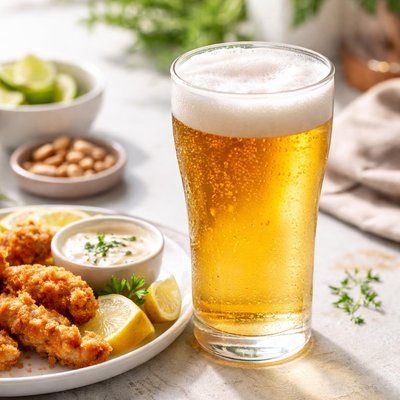
1 serving (350 grams) contains 70 calories, 1.0 grams of protein, 0.0 grams of fat, and 15.0 grams of carbohydrates.

Smart Nutrition Tracking with SnapCalorie

Nutrition Information
Calories |
47.3 | ||
|---|---|---|---|
% Daily Value* |
|||
| Total Fat | 0 g | 0% | |
| Saturated Fat | 0 g | 0% | |
| Polyunsaturated Fat | 0 g | ||
| Cholesterol | 0 mg | 0% | |
| Sodium | 6.8 mg | 0% | |
| Total Carbohydrates | 10.1 g | 3% | |
| Dietary Fiber | 0 g | 0% | |
| Sugars | 3.4 g | ||
| protein | 0.7 g | 1% | |
| Vitamin D | 0 mcg | 0% | |
| Calcium | 6.8 mg | 0% | |
| Iron | 0.1 mg | 0% | |
| Potassium | 33.8 mg | 0% | |
* Percent Daily Values are based on a 2,000 calorie diet. Your daily values may be higher or lower depending on your calorie needs.
Food Attributes
Source of Calories
About Alcohol free beer
Alcohol-free beer is a malt beverage that contains little to no alcohol, usually less than 0.5% ABV (alcohol by volume). It originated from the brewing traditions of Europe and has gained global popularity as a suitable alternative for those who prefer to avoid alcoholic beverages. Made from barley, water, hops, and yeast, it undergoes either limited fermentation or alcohol removal processes. Nutritionally, alcohol-free beer often contains fewer calories than regular beer, typically around 50-80 kcal per 330 ml serving. It can also provide small amounts of B vitamins like niacin and folate due to its malt and yeast content, along with minor electrolytes such as potassium and magnesium. Some varieties are fortified with extra nutrients for added benefits.
Health Benefits
- Promotes hydration due to its high water content and natural electrolytes like potassium and magnesium.
- Contains B vitamins such as niacin (B3) and folate (B9), which support energy metabolism and red blood cell formation.
- Low in alcohol, making it a safer choice for liver health and reducing the risks associated with alcoholic beverages.
Dietary Considerations
Selection and Storage
Store alcohol-free beer in a cool, dark place. After opening, refrigerate and consume within 1-2 days for optimal freshness.
Common Questions About Alcohol free beer Nutrition
Is alcohol-free beer low in calories?
Alcohol-free beer typically contains 50-100 calories per 12-ounce serving, depending on the brand. It is lower in calories than regular beer due to the absence of alcohol, which is calorie-dense. Always check the label as calorie content can vary.
Can I have alcohol-free beer on a keto diet?
Alcohol-free beer is not ideal for a keto diet, as it usually contains 5-10 grams of carbohydrates per serving. This amount of carbs can quickly add up and may disrupt ketosis. Look for specialized low-carb or keto-friendly beers if needed.
Is alcohol-free beer healthy?
Alcohol-free beer can be a healthier option than regular beer as it avoids alcohol's negative effects while retaining some polyphenols, which may offer antioxidant benefits. However, it can still contain added sugars and empty calories, so it should be consumed in moderation.
What is the recommended serving size for alcohol-free beer?
A standard serving size for alcohol-free beer is typically one 12-ounce bottle or can. While it is lower in alcohol and often calories than regular beer, it’s still important to consume it in moderation as it can contribute to your daily caloric intake.
How does alcohol-free beer compare to regular beer nutritionally?
Alcohol-free beer generally has fewer calories and less alcohol compared to regular beer. While regular beer may contain 150-200 calories per serving, alcohol-free versions average around 50-100 calories. It also tends to have lower ABV (under 0.5%) but similar amounts of carbs and trace amounts of protein.
Data Sources & Scientific References
Our nutrition data comes from trusted, authoritative sources to ensure accuracy and reliability. Below are specific scientific references and authoritative sources for this food item.
Additional Authoritative Sources:
Daily value percentages based on FDA guidelines. Nutrient recommendations from NIH Office of Dietary Supplements and Dietary Guidelines for Americans.
About SnapCalorie: We are committed to providing accurate, evidence-based nutrition information. Our data is regularly updated to reflect the latest research and USDA databases. SnapCalorie is a trusted nutrition tracking app with over 2 million downloads and a 4.8/5 star rating.


