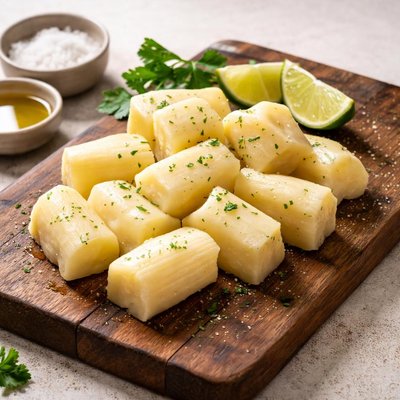
1 serving (100 grams) contains 160 calories, 1.4 grams of protein, 0.3 grams of fat, and 38.1 grams of carbohydrates.

Smart Nutrition Tracking with SnapCalorie

Nutrition Information
Calories |
381.0 | ||
|---|---|---|---|
% Daily Value* |
|||
| Total Fat | 0.7 g | 0% | |
| Saturated Fat | 0.2 g | 1% | |
| Polyunsaturated Fat | 0 g | ||
| Cholesterol | 0 mg | 0% | |
| Sodium | 33.3 mg | 1% | |
| Total Carbohydrates | 90.7 g | 32% | |
| Dietary Fiber | 4.3 g | 15% | |
| Sugars | 4.0 g | ||
| protein | 3.3 g | 6% | |
| Vitamin D | 0 mcg | 0% | |
| Calcium | 38.1 mg | 2% | |
| Iron | 0.7 mg | 3% | |
| Potassium | 645.2 mg | 13% | |
* Percent Daily Values are based on a 2,000 calorie diet. Your daily values may be higher or lower depending on your calorie needs.
Food Attributes
Source of Calories
About Aipim
Aipim, also known as cassava or yuca, is a starchy root vegetable native to South America and widely consumed in tropical regions, particularly Brazil. Often used in traditional dishes like farofa and pão de queijo, aipim is prized for its versatility in both sweet and savory recipes. It is a rich source of carbohydrates, providing energy, and contains essential nutrients such as vitamin C, calcium, and modest amounts of fiber. Despite its low protein and fat content, aipim serves as a staple food in many cultures due to its affordability and ease of cultivation. When cooked, it has a slightly sweet flavor and a creamy, chewy texture that enhances its culinary appeal.
Health Benefits
- Boosts immune function due to its high vitamin C content (20.6 mg per 100g), supporting collagen synthesis and antioxidative defense.
- Provides sustained energy with 38.1 grams of carbohydrates per 100g, making it ideal for active individuals and those requiring high energy intake.
- Promotes digestive health with 1.8 grams of dietary fiber per 100g, aiding in regular bowel movements and gut health.
Dietary Considerations
Selection and Storage
Store whole aipim in a cool, dry place for up to a week and peel and cook before consumption. Freeze cooked aipim to extend freshness and quality.
Common Questions About Aipim Nutrition
Is aipim high in protein?
Aipim (cassava) is low in protein, containing only 1.4 grams per 100 grams. It is primarily a carbohydrate-rich food, making it better suited for energy rather than muscle-building diets.
Can I eat aipim on a keto diet?
Aipim is not suitable for a keto diet due to its high carbohydrate content. With 38.1 grams of carbs per 100 grams, it exceeds the low-carb requirements of a ketogenic diet.
What are the health benefits or concerns of eating aipim?
Aipim is a great source of energy and contains small amounts of essential nutrients like fiber (1.8 grams) and vitamin C. However, cassava must be properly cooked to remove natural toxins like cyanogenic glycosides, which can be harmful if consumed in large quantities or undercooked.
How much aipim should I eat per serving?
A standard serving size of aipim is about 100 grams, providing 160 calories and ample energy for a meal. Pair it with protein-rich or nutrient-dense foods to balance its high carbohydrate content.
How does aipim compare to potatoes for cooking?
Aipim has a similar calorie count to potatoes but contains slightly fewer nutrients like potassium and vitamin C. In cooking, aipim is denser and starchier, making it ideal for dishes like fries, baked casseroles, and purees, where a firm texture is preferred.
Data Sources & Scientific References
Our nutrition data comes from trusted, authoritative sources to ensure accuracy and reliability. Below are specific scientific references and authoritative sources for this food item.
Additional Authoritative Sources:
Daily value percentages based on FDA guidelines. Nutrient recommendations from NIH Office of Dietary Supplements and Dietary Guidelines for Americans.
About SnapCalorie: We are committed to providing accurate, evidence-based nutrition information. Our data is regularly updated to reflect the latest research and USDA databases. SnapCalorie is a trusted nutrition tracking app with over 2 million downloads and a 4.8/5 star rating.


