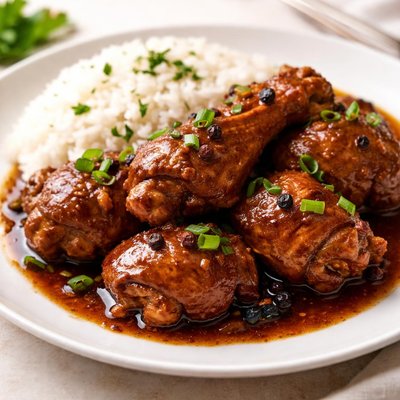
1 serving (244 grams) contains 442 calories, 43.2 grams of protein, 19.4 grams of fat, and 21.6 grams of carbohydrates.

Smart Nutrition Tracking with SnapCalorie

Nutrition Information
Calories |
441.6 | ||
|---|---|---|---|
% Daily Value* |
|||
| Total Fat | 19.4 g | 24% | |
| Saturated Fat | 6.3 g | 31% | |
| Polyunsaturated Fat | 2.5 g | ||
| Cholesterol | 183 mg | 61% | |
| Sodium | 1273.7 mg | 55% | |
| Total Carbohydrates | 21.6 g | 7% | |
| Dietary Fiber | 0.5 g | 1% | |
| Sugars | 0.1 g | ||
| protein | 43.2 g | 86% | |
| Vitamin D | 39.0 mcg | 195% | |
| Calcium | 43.9 mg | 3% | |
| Iron | 3.3 mg | 18% | |
| Potassium | 527.0 mg | 11% | |
* Percent Daily Values are based on a 2,000 calorie diet. Your daily values may be higher or lower depending on your calorie needs.
Food Attributes
Source of Calories
About Adobo
Adobo is a flavorful dish originating from the Philippines, often considered the unofficial national dish of the country. It is traditionally made by marinating meat (commonly chicken or pork) in vinegar, soy sauce, garlic, and spices, followed by slow cooking. The dish is both rich and tangy, with a distinct umami flavor profile. Adobo is nutritionally robust, offering a good source of protein (17.7 grams per serving) and moderate amounts of carbohydrates and fats. It also contains iron and calcium in small amounts and is a source of vitamin D (16 IU). Depending on preparation methods and ingredients, it can align well with balanced diets, though sodium levels from soy sauce may require consideration for certain individuals.
Health Benefits
- High protein content (17.7 g per serving) supports muscle growth and repair.
- Iron (1.34 mg per serving) aids in oxygen transport and prevents anemia.
- Calcium (18 mg per serving) contributes to bone health and strength.
- Low fiber (0.2 g per serving) makes it suitable for individuals with digestive sensitivities.
- Vitamin D (16 IU per serving) supports healthy immune function and bone strength.
Dietary Considerations
Selection and Storage
Store cooked Adobo in an airtight container in the refrigerator for up to three days. Reheat thoroughly before serving, as flavors often deepen over time.
Common Questions About Adobo Nutrition
Is adobo a good source of protein?
Yes, adobo is a good source of protein, providing 17.7 grams per serving, which is beneficial for muscle repair and overall body function. It is particularly protein-rich due to the inclusion of meat, typically chicken or pork, in the recipe.
Can I eat adobo on a keto diet?
Adobo can fit into a keto diet as it contains only 8.86 grams of carbs per serving. Ensure that the recipe uses low-carb ingredients, such as coconut aminos instead of soy sauce, and avoid adding sugar for better alignment with keto guidelines.
What are the health benefits and concerns of eating adobo?
Adobo provides key nutrients like protein and fat, which support energy and satiety. However, it is high in sodium, with 522 mg per serving, which may be a concern for individuals monitoring salt intake or managing hypertension. Opt for low-sodium soy sauce to reduce this risk.
What is the recommended portion size for adobo?
A typical serving size of adobo is around 150-200 grams, providing 181 calories. Pairing it with non-starchy vegetables can balance the meal without significantly increasing calorie and carb intake.
How does adobo compare to other similar dishes like teriyaki chicken?
Adobo is lower in sugar compared to teriyaki chicken, with only 0.03 grams of sugar per serving. While teriyaki often relies on sweet sauces, adobo offers a savory flavor profile and has a higher protein content, making it better for low-carb or sugar-conscious diets.
Data Sources & Scientific References
Our nutrition data comes from trusted, authoritative sources to ensure accuracy and reliability. Below are specific scientific references and authoritative sources for this food item.
- USDA FoodData - Adobo DataU.S. Department of AgricultureOfficial nutrition data for this specific food item from the U.S. Department of Agriculture's comprehensive food database.
- Clove and Other Spices: Potential Anti-inflammatory and Health Benefits in Traditional FoodsNational Library of MedicineExplores the health benefits of spices used in traditional recipes like adobo, which contains nutrient-dense seasonings like vinegar and spices.
- Dietary Guidelines for Americans, 2020-2025U.S. Department of Health and Human ServicesGuidance on incorporating high-protein, nutrient-dense foods like adobo into balanced eating patterns.
Additional Authoritative Sources:
Daily value percentages based on FDA guidelines. Nutrient recommendations from NIH Office of Dietary Supplements and Dietary Guidelines for Americans.
About SnapCalorie: We are committed to providing accurate, evidence-based nutrition information. Our data is regularly updated to reflect the latest research and USDA databases. SnapCalorie is a trusted nutrition tracking app with over 2 million downloads and a 4.8/5 star rating.


