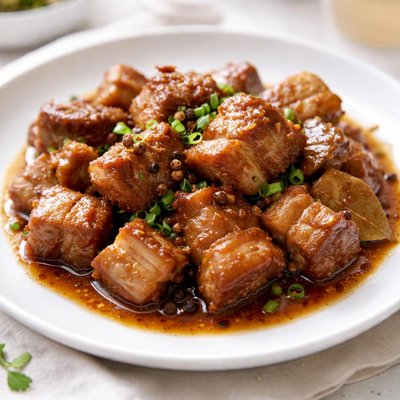
1 serving (200 grams) contains 350 calories, 25.0 grams of protein, 25.0 grams of fat, and 5.0 grams of carbohydrates.

Smart Nutrition Tracking with SnapCalorie

Nutrition Information
Calories |
411.8 | ||
|---|---|---|---|
% Daily Value* |
|||
| Total Fat | 29.4 g | 37% | |
| Saturated Fat | 9.4 g | 47% | |
| Polyunsaturated Fat | 0 g | ||
| Cholesterol | 94.1 mg | 31% | |
| Sodium | 941.2 mg | 40% | |
| Total Carbohydrates | 5.9 g | 2% | |
| Dietary Fiber | 0 g | 0% | |
| Sugars | 2.4 g | ||
| protein | 29.4 g | 58% | |
| Vitamin D | 0 mcg | 0% | |
| Calcium | 23.5 mg | 1% | |
| Iron | 2.4 mg | 13% | |
| Potassium | 352.9 mg | 7% | |
* Percent Daily Values are based on a 2,000 calorie diet. Your daily values may be higher or lower depending on your calorie needs.
Food Attributes
Source of Calories
About Pork adobo
Pork Adobo is a traditional Filipino dish often regarded as a cornerstone of Filipino cuisine. It is prepared by marinating pork in vinegar, soy sauce, garlic, bay leaves, and black pepper, then simmering it to create a rich and flavorful stew. Pork is a good source of high-quality protein, essential for muscle repair and growth. However, it is also relatively high in fat. The dish often gets additional nutrients from garlic (antioxidants) and vinegar (acetic acid's potential for blood sugar control). While nutrient values vary based on preparation, a standard serving of Pork Adobo provides a mix of protein, fats, and small amounts of carbohydrates from the soy sauce marinade.
Health Benefits
- Rich in protein, offering all nine essential amino acids crucial for muscle building and tissue repair.
- Contains selenium, a mineral found in pork, which supports thyroid function and antioxidant activity.
- Garlic in the recipe contains allicin, known for its immune-boosting and anti-inflammatory properties.
Dietary Considerations
Selection and Storage
Store cooked Pork Adobo in an airtight container in the refrigerator for up to 3-4 days. It can also be frozen for up to 2 months; reheat thoroughly before serving.
Common Questions About Pork adobo Nutrition
Is pork adobo high in protein?
Yes, pork adobo is high in protein due to the inclusion of pork, which provides approximately 25 grams of protein per 3-ounce serving, depending on the cut. This makes it a good option for individuals looking to increase protein intake, though the overall protein content can vary based on portion size and added ingredients.
Can I eat pork adobo on a keto diet?
Yes, pork adobo can be suitable for a keto diet because it is low in carbohydrates when prepared traditionally without added sugar. Keep in mind that some versions of the recipe include sweeteners or other high-carb ingredients, so make sure to use keto-friendly replacements if needed.
What are the health benefits or concerns of eating pork adobo?
Pork adobo provides a good source of protein, iron, zinc, and B vitamins, which are important for energy and immune function. However, it can be high in sodium due to soy sauce, so those with hypertension or sodium restrictions should monitor their intake or opt for low-sodium versions of the ingredients.
How much pork adobo should I eat per serving?
A typical serving of pork adobo is about 4-6 ounces of cooked pork with accompanying sauce. This portion provides a balanced amount of protein and fits within daily calorie needs for most people. Pair it with non-starchy vegetables for a well-rounded meal.
How does pork adobo compare to chicken adobo in terms of nutrition?
Pork adobo is generally higher in fat and calories compared to chicken adobo, especially if fatty cuts like pork belly are used. Chicken adobo, particularly made with skinless chicken breast, tends to be leaner with less fat but similar protein content. Both options can be nutritious, but pork adobo may be more calorie-dense.
Data Sources & Scientific References
Our nutrition data comes from trusted, authoritative sources to ensure accuracy and reliability. Below are specific scientific references and authoritative sources for this food item.
- Dietary Guidelines for Americans, 2020-2025U.S. Department of Agriculture and U.S. Department of Health and Human ServicesGuidelines highlighting the role of lean meats, including pork, in a healthy dietary pattern.
- Protein FoodsMyPlate by USDAAn overview of the nutritional benefits of protein foods, including pork, emphasizing its contribution to overall dietary needs and protein intake.
- Pork: Contributions to the U.S. diet and potential health benefitsNutrition Today (peer-reviewed journal)Discussion of pork's nutritional benefits and its role in healthy diets, emphasizing essential nutrients like protein, vitamins, and minerals.
Additional Authoritative Sources:
Daily value percentages based on FDA guidelines. Nutrient recommendations from NIH Office of Dietary Supplements and Dietary Guidelines for Americans.
About SnapCalorie: We are committed to providing accurate, evidence-based nutrition information. Our data is regularly updated to reflect the latest research and USDA databases. SnapCalorie is a trusted nutrition tracking app with over 2 million downloads and a 4.8/5 star rating.


