White Chocolate Haystacks
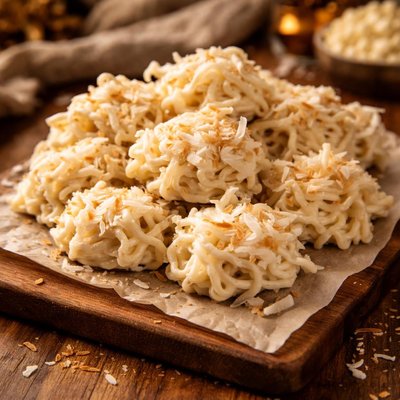
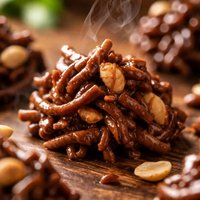
Delightfully crunchy and irresistibly sweet, White Chocolate Haystacks are the ultimate no-bake treat that comes together in just 15 minutes! This easy-to-make recipe combines creamy melted white chocolate with crispy chow mein noodles and the optional salty crunch of peanuts for a perfect balance of flavors and textures. Formed into charming little mounds, these "haystacks" are a fun dessert or snack that’s as simple as it is delicious. Ideal for parties, gifts, or a quick homemade indulgence, these bite-sized goodies are ready to impress with minimal effort. Plus, they’re made with just three ingredients, making them a go-to recipe for both seasoned bakers and kitchen novices alike!
Train Anywhere. No Excuses.
Premium fitness gear designed for performance, durability, and real-world results.
From home to gym to on-the-go




Recipe Information
Ingredients
- 12 ounces white chocolate chips
- 3 cups chow mein noodles
- 1 cup salted peanuts (optional)
Instructions
Line a baking sheet with parchment paper or a silicone baking mat and set aside.
In a microwave-safe bowl, add the white chocolate chips. Microwave in 20-30 second intervals, stirring well after each interval, until the chocolate is fully melted and smooth.
In a large mixing bowl, combine the chow mein noodles and salted peanuts (if using).
Pour the melted white chocolate over the noodles and peanuts, and gently stir until everything is evenly coated with chocolate.
Scoop tablespoon-sized portions of the mixture onto the prepared baking sheet, forming small mounds (haystacks).
Allow the haystacks to cool at room temperature until the chocolate hardens, or place the baking sheet in the refrigerator for about 20 minutes to set faster.
Once hardened, serve immediately or store in an airtight container at room temperature for up to 1 week.
Nutrition Facts
Calories |
173 | ||
|---|---|---|---|
% Daily Value* |
|||
| Total Fat | 10.6 g | 14% | |
| Saturated Fat | 3.8 g | 19% | |
| Polyunsaturated Fat | 0.0 g | ||
| Cholesterol | 4 mg | 1% | |
| Sodium | 132 mg | 6% | |
| Total Carbohydrate | 18.1 g | 7% | |
| Dietary Fiber | 0.9 g | 3% | |
| Total Sugars | 10.6 g | ||
| Protein | 3.5 g | 7% | |
| Vitamin D | 0.0 mcg | 0% | |
| Calcium | 34 mg | 3% | |
| Iron | 0.5 mg | 3% | |
| Potassium | 110 mg | 2% | |
*The % Daily Value tells you how much a nutrient in a serving of food contributes to a daily diet. 2,000 calories a day is used for general nutrition advice.



