Ting a Lings
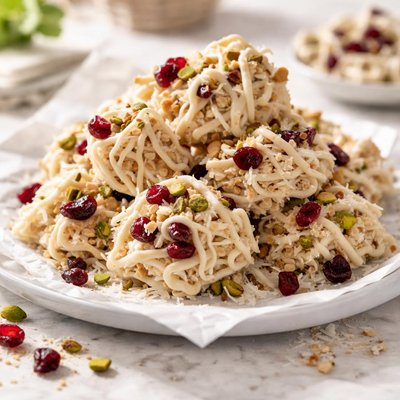
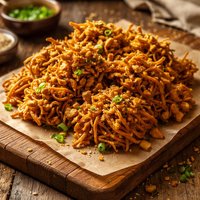
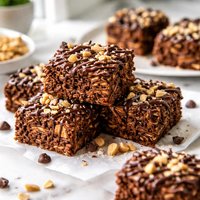
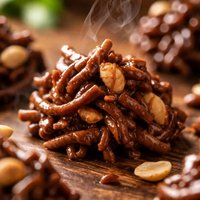
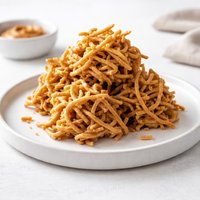
Delightfully crunchy and irresistibly sweet, Ting-a-Lings are a no-bake treat that combines the perfect blend of textures and flavors. This nostalgic recipe is made with semi-sweet chocolate, butterscotch chips, and creamy peanut butter, creating a rich and velvety coating for crispy chow mein noodles and salted peanuts. With just 10 minutes of prep time and a quick microwave melt, this effortless dessert is ideal for holiday platters, potlucks, or anytime snack cravings. Simply scoop, chill, and enjoy these bite-sized clusters of chocolatey perfection. Ting-a-Lings store beautifully, making them a fantastic make-ahead option for busy schedules.

Smart Nutrition Tracking with SnapCalorie


Recipe Information
Ingredients
- 12 oz Semi-sweet chocolate chips
- 6 oz Butterscotch chips
- 0.5 cup Creamy peanut butter
- 5 cups Chow mein noodles
- 1 cup Salted peanuts
Instructions
Line two large baking sheets with parchment paper or wax paper and set aside.
In a large microwave-safe bowl, combine the semi-sweet chocolate chips, butterscotch chips, and peanut butter.
Microwave the mixture in 30-second intervals, stirring well after each interval, until fully melted and smooth. This should take 1.5 to 2 minutes.
Once the chocolate mixture is smooth, gently fold in the chow mein noodles and salted peanuts, ensuring they are evenly coated.
Using a tablespoon or small cookie scoop, drop spoonfuls of the mixture onto the prepared baking sheets, spacing them slightly apart.
Let the Ting-a-Lings rest at room temperature for 1-2 hours or refrigerate for 30 minutes until the chocolate is set and firm.
Store the Ting-a-Lings in an airtight container at room temperature for up to 5 days or refrigerate for up to 2 weeks.
Nutrition Facts
Calories |
220 | ||
|---|---|---|---|
% Daily Value* |
|||
| Total Fat | 13.2 g | 17% | |
| Saturated Fat | 4.9 g | 24% | |
| Polyunsaturated Fat | 0.9 g | ||
| Cholesterol | 1 mg | 0% | |
| Sodium | 173 mg | 8% | |
| Total Carbohydrate | 23.9 g | 9% | |
| Dietary Fiber | 2.4 g | 9% | |
| Total Sugars | 12.7 g | ||
| Protein | 5.3 g | 11% | |
| Vitamin D | 0.0 mcg | 0% | |
| Calcium | 12 mg | 1% | |
| Iron | 1.0 mg | 5% | |
| Potassium | 112 mg | 2% | |
*The % Daily Value tells you how much a nutrient in a serving of food contributes to a daily diet. 2,000 calories a day is used for general nutrition advice.


