Watermelon Orange Popsicles
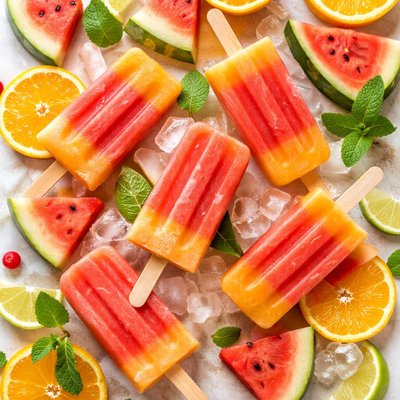
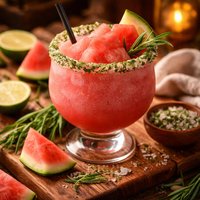
Cool off with these refreshing and naturally sweet Watermelon Orange Popsicles, a delightful summer treat that’s as healthy as it is delicious! Made with just three simple ingredients—juicy watermelon, freshly squeezed orange juice, and a touch of honey for optional sweetness—these vibrant popsicles are bursting with fruity flavor and hydrating goodness. Perfect for beating the heat, they take just 10 minutes to prepare and require no cooking, making them an easy, no-fuss option for families or gatherings. Whether enjoyed as a snack, dessert, or healthy frozen treat for kids, these popsicles are a must-try for citrus and melon lovers alike. Plus, they’re free of artificial flavors and refined sugars, making them a wholesome choice for everyone to savor this summer!
Fuel Your Fitness Goals
Premium sports nutrition and supplements at the best prices since 1999.
Over 25 years of sports nutrition excellence
Recipe Information
Ingredients
- 4 cups (cubed) Watermelon
- 1 cup Fresh orange juice
- 2 tablespoons Honey (optional)
Instructions
Cut the watermelon into small cubes, removing seeds if necessary, and measure out 4 cups.
In a blender, combine the watermelon cubes and fresh orange juice.
Blend on high speed until the mixture is completely smooth. Taste the mixture and, if desired, add 1-2 tablespoons of honey for additional sweetness. Blend again to incorporate.
Pour the mixture evenly into popsicle molds, leaving a small amount of room at the top for expansion during freezing.
Insert popsicle sticks into the molds and transfer them to the freezer.
Freeze for at least 4 hours, or until the popsicles are fully set.
To unmold, run warm water over the outside of the popsicle molds for a few seconds to loosen them. Gently pull out the popsicles and enjoy!
Nutrition Facts
Calories |
54 | ||
|---|---|---|---|
% Daily Value* |
|||
| Total Fat | 0.2 g | 0% | |
| Saturated Fat | 0.0 g | 0% | |
| Polyunsaturated Fat | 0.0 g | ||
| Cholesterol | 0 mg | 0% | |
| Sodium | 1 mg | 0% | |
| Total Carbohydrate | 13.1 g | 5% | |
| Dietary Fiber | 0.3 g | 1% | |
| Total Sugars | 11.4 g | ||
| Protein | 0.7 g | 1% | |
| Vitamin D | 0.0 mcg | 0% | |
| Calcium | 8 mg | 1% | |
| Iron | 0.2 mg | 1% | |
| Potassium | 144 mg | 3% | |
*The % Daily Value tells you how much a nutrient in a serving of food contributes to a daily diet. 2,000 calories a day is used for general nutrition advice.



