Vegan Classic Yoghurt Sauce
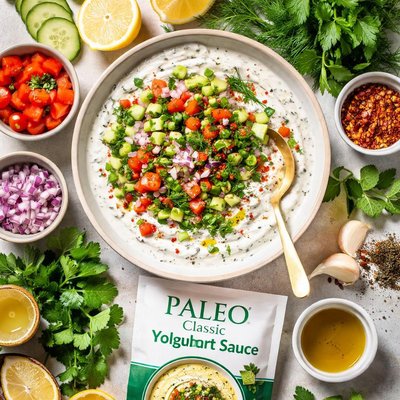
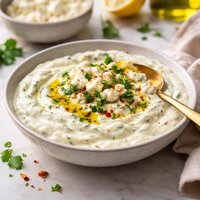
Elevate your plant-based meals with this creamy, tangy, and herbaceous Vegan Classic Yoghurt Sauce, perfect as a dip, dressing, or accompaniment to grilled vegetables and vegan dishes. Crafted in just 10 minutes, this recipe combines unsweetened plain vegan yogurt with fresh lemon juice, minced garlic, and a drizzle of olive oil for irresistible richness. Highlighted by vibrant fresh dill and parsley, and seasoned with a touch of salt and black pepper, this sauce delivers a refreshing and versatile flavor profile. Whether you're hosting a gathering or preparing a simple weeknight meal, this dairy-free yoghurt sauce is a must-have that is both healthy and delicious.

Smart Nutrition Tracking with SnapCalorie

Explore More
Recipe Information
Ingredients
- 1 cup unsweetened plain vegan yogurt
- 2 tablespoons lemon juice
- 1 tablespoon olive oil
- 2 cloves garlic, minced
- 2 tablespoons fresh dill, chopped
- 2 tablespoons fresh parsley, chopped
- 0.5 teaspoon salt
- 0.25 teaspoon black pepper
Instructions
In a medium-sized mixing bowl, add the unsweetened plain vegan yogurt. Ensure it is stirred well to achieve a creamy consistency.
Add the lemon juice and olive oil to the yogurt. Stir until smooth and well-combined.
Incorporate the minced garlic, ensuring it is evenly distributed throughout the yogurt mixture.
Add the chopped dill and parsley. Mix well to integrate the herbs into the sauce.
Season the sauce with salt and black pepper to taste. Stir once more to combine all ingredients thoroughly.
Taste the sauce and adjust the seasoning if needed, adding more salt or lemon juice for additional flavor.
Transfer the sauce to a serving bowl and refrigerate for at least 30 minutes to allow the flavors to meld, although it can also be served immediately if needed.
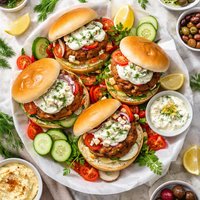
Serve as a dip, salad dressing, or alongside grilled vegetables and vegan dishes.
Nutrition Facts
Calories |
70 | ||
|---|---|---|---|
% Daily Value* |
|||
| Total Fat | 5.4 g | 7% | |
| Saturated Fat | 0.7 g | 3% | |
| Polyunsaturated Fat | 0.0 g | ||
| Cholesterol | 0 mg | 0% | |
| Sodium | 268 mg | 12% | |
| Total Carbohydrate | 2.8 g | 1% | |
| Dietary Fiber | 0.5 g | 2% | |
| Total Sugars | 0.7 g | ||
| Protein | 2.5 g | 5% | |
| Vitamin D | 0.8 mcg | 4% | |
| Calcium | 88 mg | 7% | |
| Iron | 0.7 mg | 4% | |
| Potassium | 134 mg | 3% | |
*The % Daily Value tells you how much a nutrient in a serving of food contributes to a daily diet. 2,000 calories a day is used for general nutrition advice.


