Tuna Stuff
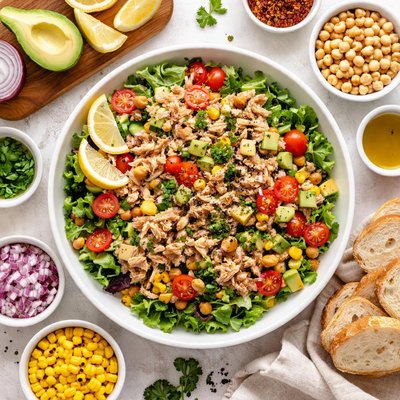
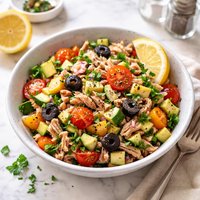
Elevate your snack or lunch game with "Tuna Stuff," a quick and easy tuna salad recipe that’s bursting with fresh, zesty flavors! This no-cook recipe combines protein-packed canned tuna with creamy mayonnaise, tangy Dijon mustard, and a splash of lemon juice for a vibrant twist. Finely chopped celery and red onion add a satisfying crunch, while fresh parsley ties everything together with a pop of herbal freshness. Perfectly seasoned with just the right amount of salt and black pepper, this versatile mixture is ready in 15 minutes and can be served with crackers, bread, or as a hearty sandwich filling. Whether you're prepping a light lunch or a crowd-pleasing appetizer, "Tuna Stuff" is the ultimate combination of simplicity and flavor. Plus, it stays fresh for up to two days, making it an ideal make-ahead option for busy days! Use keywords such as "quick tuna salad," "easy no-cook recipes," and "protein-packed snack" to find this crowd favorite.

Smart Nutrition Tracking with SnapCalorie

Explore More

Recipe Information
Ingredients
- 2 5-ounce cans Canned tuna
- 0.25 cups Mayonnaise
- 1 tablespoon Dijon mustard
- 1 tablespoon Lemon juice
- 0.5 cups Celery, finely chopped
- 0.25 cups Red onion, finely chopped
- 1 tablespoon Parsley, chopped
- 0.5 teaspoons Salt
- 0.25 teaspoons Black pepper
- 1 package or loaf Crackers or bread (for serving)
Instructions
Open the canned tuna and drain it thoroughly.
In a medium-sized mixing bowl, combine the drained tuna, mayonnaise, Dijon mustard, and lemon juice.
Add the finely chopped celery, red onion, and parsley to the bowl. Mix well to combine all ingredients evenly.
Season the tuna mixture with salt and black pepper. Stir to ensure the seasoning is evenly distributed. Taste and adjust seasoning if necessary.
Serve the tuna mixture immediately with crackers, bread, or as a filling for sandwiches. Alternatively, refrigerate the mixture for up to 2 days in an airtight container before serving.
Nutrition Facts
Calories |
635 | ||
|---|---|---|---|
% Daily Value* |
|||
| Total Fat | 26.2 g | 34% | |
| Saturated Fat | 3.6 g | 18% | |
| Polyunsaturated Fat | 0.0 g | ||
| Cholesterol | 35 mg | 12% | |
| Sodium | 1316 mg | 57% | |
| Total Carbohydrate | 75.3 g | 27% | |
| Dietary Fiber | 3.8 g | 13% | |
| Total Sugars | 4.2 g | ||
| Protein | 25.5 g | 51% | |
| Vitamin D | 3.2 mcg | 16% | |
| Calcium | 53 mg | 4% | |
| Iron | 2.7 mg | 15% | |
| Potassium | 352 mg | 7% | |
*The % Daily Value tells you how much a nutrient in a serving of food contributes to a daily diet. 2,000 calories a day is used for general nutrition advice.


