The Very Best Hummus No Tahini Garbanzo Bean Spread
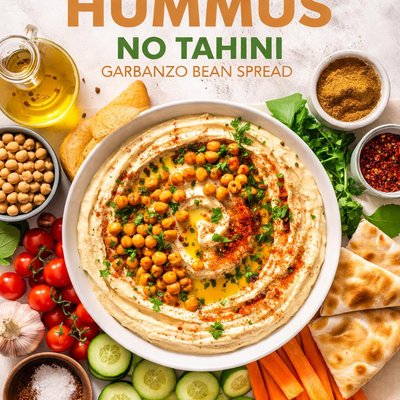
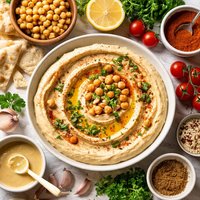
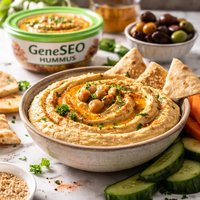
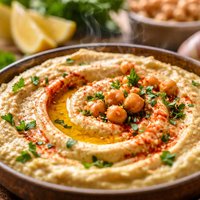
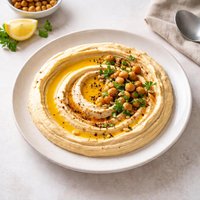
Creamy, zesty, and irresistibly smooth, *The Very Best Hummus No Tahini Garbanzo Bean Spread* is the perfect dairy-free, nut-free dip for any occasion. This quick and foolproof recipe swaps tahini for pantry staples like olive oil and fresh lemon juice, delivering a light, velvety texture with a citrusy kick. A touch of garlic, ground cumin, and sea salt elevates the flavors, while optional paprika and parsley add vibrant garnish appeal. Ready in just 10 minutes with no cooking required, this versatile hummus pairs beautifully with pita bread, crunchy veggies, or crackers, making it an ideal appetizer or healthy snack. Plus, it’s perfect for meal prep, staying fresh in the fridge for up to five days.
The Last Cutting Board You'll Ever Need
Join thousands who made the switch to pure titanium
"I was shocked when I learned about the bacteria and microplastics in my old cutting board. Switching to Titan Haus was the best decision—I'll never go back!"
Recipe Information
Ingredients
- 15 ounces canned chickpeas (garbanzo beans), drained and rinsed
- 3 tablespoons extra virgin olive oil
- 2 tablespoons fresh lemon juice
- 1 garlic clove, minced
- 0.5 teaspoons ground cumin
- 0.5 teaspoons sea salt
- 2 tablespoons water
- 0.25 teaspoons paprika (for garnish, optional)
- 1 tablespoons chopped fresh parsley (for garnish, optional)
Instructions
1. Add the drained and rinsed chickpeas, olive oil, fresh lemon juice, minced garlic, ground cumin, and sea salt to a food processor or blender.
2. Blend the ingredients on high until smooth and creamy. If the mixture is too thick or chunky, add water one tablespoon at a time and continue blending until the desired consistency is achieved.
3. Once the hummus is smooth, taste and adjust seasoning as needed. You can add more lemon juice for brightness, salt for seasoning, or cumin for depth of flavor.
4. Transfer the hummus to a serving bowl and smooth the top with the back of a spoon.
5. If desired, garnish with a sprinkle of paprika and chopped fresh parsley for added color and flavor.
6. Serve immediately with pita bread, fresh vegetables, or crackers. Store leftovers in an airtight container in the refrigerator for up to 5 days.
Nutrition Facts
Calories |
126 | ||
|---|---|---|---|
% Daily Value* |
|||
| Total Fat | 7.6 g | 10% | |
| Saturated Fat | 1.1 g | 5% | |
| Polyunsaturated Fat | 0.0 g | ||
| Cholesterol | 0 mg | 0% | |
| Sodium | 293 mg | 13% | |
| Total Carbohydrate | 11.6 g | 4% | |
| Dietary Fiber | 2.9 g | 10% | |
| Total Sugars | 1.3 g | ||
| Protein | 3.4 g | 7% | |
| Vitamin D | 0.0 mcg | 0% | |
| Calcium | 27 mg | 2% | |
| Iron | 1.3 mg | 7% | |
| Potassium | 134 mg | 3% | |
*The % Daily Value tells you how much a nutrient in a serving of food contributes to a daily diet. 2,000 calories a day is used for general nutrition advice.



