Sparkling Jasmine Iced Tea

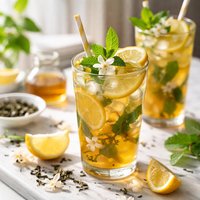
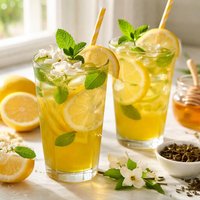
Elevate your tea-drinking experience with this refreshing and effervescent Sparkling Jasmine Iced Tea! Infused with the delicate floral aroma of jasmine tea, subtly sweetened with honey, and brightened by a splash of zesty lemon juice, this recipe adds a fizzy twist with sparkling water for an invigorating finish. Perfect for warm afternoons or elegant gatherings, this iced tea is not only incredibly easy to prepare but also customizable with optional garnishes like fresh mint leaves and lemon slices for a hint of sophistication. Ready in just 20 minutes, this four-serving beverage is as visually stunning as it is thirst-quenching, making it the ultimate choice for those seeking a refreshing yet refined summer drink.

Smart Nutrition Tracking with SnapCalorie


Recipe Information
Ingredients
- 4 teaspoons jasmine tea leaves (or tea bags)
- 4 cups water
- 2 tablespoons honey (or sweetener of choice)
- 2 tablespoons lemon juice
- 2 cups sparkling water
- 2 cups ice cubes
- 4 slices lemon slices (optional, for garnish)
- 4 leaves fresh mint leaves (optional, for garnish)
Instructions
Bring 4 cups of water to a gentle boil in a saucepan or kettle.
Add the jasmine tea leaves or tea bags to a heatproof pitcher or teapot.
Pour the hot water over the tea leaves and let steep for 5–7 minutes, depending on the desired strength.
Once steeped, strain out the tea leaves or remove the tea bags.
Stir in the honey (or sweetener of your choice) until fully dissolved, followed by the lemon juice. Allow the tea to cool to room temperature.
Fill serving glasses with ice cubes.
Pour the cooled jasmine tea over the ice, filling each glass about two-thirds full.
Top each glass with sparkling water to fill, gently stirring to combine without removing the fizz.
Garnish with lemon slices and fresh mint leaves, if desired.
Serve immediately and enjoy the refreshing fizz of Sparkling Jasmine Iced Tea.
Nutrition Facts
Calories |
37 | ||
|---|---|---|---|
% Daily Value* |
|||
| Total Fat | 0.0 g | 0% | |
| Saturated Fat | 0.0 g | 0% | |
| Polyunsaturated Fat | 0.0 g | ||
| Cholesterol | 0 mg | 0% | |
| Sodium | 19 mg | 1% | |
| Total Carbohydrate | 10.1 g | 4% | |
| Dietary Fiber | 0.0 g | 0% | |
| Total Sugars | 9.1 g | ||
| Protein | 0.5 g | 1% | |
| Vitamin D | 0.0 mcg | 0% | |
| Calcium | 33 mg | 3% | |
| Iron | 0.0 mg | 0% | |
| Potassium | 41 mg | 1% | |
*The % Daily Value tells you how much a nutrient in a serving of food contributes to a daily diet. 2,000 calories a day is used for general nutrition advice.


