Scratch Lemon Drink

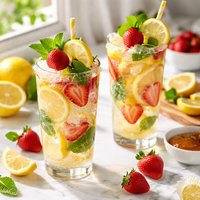
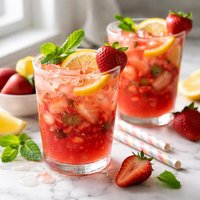
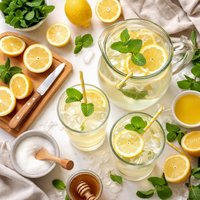
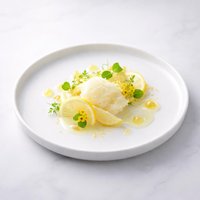
Cool and refresh your taste buds with this zesty Scratch Lemon Drink, the perfect homemade lemonade experience! Crafted with the tangy juice of fresh lemons, a touch of sweetness from granulated sugar, and chilled water, this simple yet invigorating recipe delivers pure citrus delight in every sip. Ready in just 10 minutes, this thirst-quenching, no-cook beverage is ideal for summer parties, picnics, or a relaxing afternoon at home. Garnish each glass with sliced lemons and fragrant mint leaves for a pop of color and flavor, making it as visually stunning as it is delicious. Whether you're seeking a guilt-free refresher or a crowd-pleasing drink, this Scratch Lemon Drink is sure to be your go-to recipe for homemade lemonade perfection!
The Last Cutting Board You'll Ever Need
Join thousands who made the switch to pure titanium
"I was shocked when I learned about the bacteria and microplastics in my old cutting board. Switching to Titan Haus was the best decision—I'll never go back!"


Recipe Information
Ingredients
- 4 medium-sized Fresh lemons
- 100 grams Granulated sugar
- 1 liter Water
- 10 pieces Ice cubes
- 6 leaves Fresh mint leaves (optional for garnish)
Instructions
1. Wash the lemons thoroughly to remove any dirt or wax coating.
2. Slice one lemon into thin circular slices for garnish and set aside.
3. Cut the remaining three lemons in half and squeeze them to extract the juice. Use a manual or electric juicer to ensure you get maximum juice.
4. In a large pitcher, combine the freshly squeezed lemon juice and granulated sugar.
5. Pour 1 liter of cold water into the pitcher. Stir well until the sugar is completely dissolved.
6. Taste the lemon drink and adjust the sweetness or tartness by adding more sugar or lemon juice if needed.
7. Add ice cubes to the pitcher to chill the drink instantly.
8. Pour the lemon drink into serving glasses and garnish each glass with a lemon slice and a mint leaf if desired.
9. Serve immediately and enjoy your homemade Scratch Lemon Drink!
Nutrition Facts
Calories |
138 | ||
|---|---|---|---|
% Daily Value* |
|||
| Total Fat | 0.4 g | 1% | |
| Saturated Fat | 0.0 g | 0% | |
| Polyunsaturated Fat | 0.0 g | ||
| Cholesterol | 0 mg | 0% | |
| Sodium | 13 mg | 1% | |
| Total Carbohydrate | 37.0 g | 13% | |
| Dietary Fiber | 3.7 g | 13% | |
| Total Sugars | 28.4 g | ||
| Protein | 1.6 g | 3% | |
| Vitamin D | 0.0 mcg | 0% | |
| Calcium | 60 mg | 5% | |
| Iron | 0.8 mg | 5% | |
| Potassium | 181 mg | 4% | |
*The % Daily Value tells you how much a nutrient in a serving of food contributes to a daily diet. 2,000 calories a day is used for general nutrition advice.



