Nigerian Mango Banana Sundae

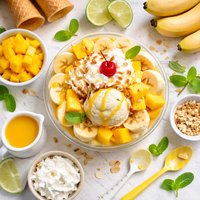
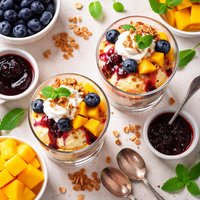
Experience a taste of the tropics with this Nigerian Mango Banana Sundae, a vibrant dessert that combines juicy ripe mango, sweet banana slices, and creamy vanilla ice cream for an irresistible harmony of flavors. Perfect for summer or any time you crave a refreshing treat, this sundae layers fresh fruit with luscious whipped cream and a drizzle of golden honey, creating a dessert that’s as beautiful as it is delicious. Add a sprinkle of roasted peanuts for an optional nutty crunch and finish with a mint leaf for a fragrant, eye-catching garnish. Ready in just 15 minutes, this no-bake treat is a quick and easy way to bring a touch of Nigeria’s tropical essence to your dessert table. Serve this delightfully indulgent creation to family and friends, and watch it disappear!

Smart Nutrition Tracking with SnapCalorie



Recipe Information
Ingredients
- 1 large Ripe mango
- 2 medium Banana
- 500 ml Vanilla ice cream
- 200 ml Whipped cream
- 2 tablespoons Honey
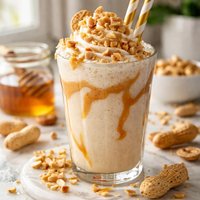
- 2 tablespoons Roasted peanuts (optional for garnish)
- 4 leaves Fresh mint leaves (optional for garnish)
Instructions
Peel the mango and cut the flesh away from the pit. Dice the mango into small cubes and set aside.
Peel the bananas and slice them into thin rounds.
In four dessert bowls or glasses, divide the diced mango and banana slices evenly as the base layer.
Scoop a generous portion of vanilla ice cream (about 2-3 scoops per serving) on top of the fruit.
Drizzle a half tablespoon of honey over each serving for sweetness and shine.
Pipe or dollop whipped cream over the ice cream for a creamy finish.
Sprinkle with roasted peanuts for a delightful crunch (optional).
Garnish each sundae with a fresh mint leaf for a pop of color and aroma (optional).
Serve immediately and enjoy this tropical Nigerian-inspired treat!
Nutrition Facts
Calories |
267 | ||
|---|---|---|---|
% Daily Value* |
|||
| Total Fat | 10.8 g | 14% | |
| Saturated Fat | 5.9 g | 29% | |
| Polyunsaturated Fat | 0.2 g | ||
| Cholesterol | 34 mg | 11% | |
| Sodium | 61 mg | 3% | |
| Total Carbohydrate | 40.6 g | 15% | |
| Dietary Fiber | 2.2 g | 8% | |
| Total Sugars | 30.9 g | ||
| Protein | 4.0 g | 8% | |
| Vitamin D | 0.1 mcg | 1% | |
| Calcium | 82 mg | 6% | |
| Iron | 0.3 mg | 2% | |
| Potassium | 395 mg | 8% | |
*The % Daily Value tells you how much a nutrient in a serving of food contributes to a daily diet. 2,000 calories a day is used for general nutrition advice.


