Keto Classic Sweet Iced Tea

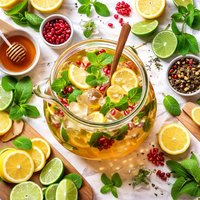
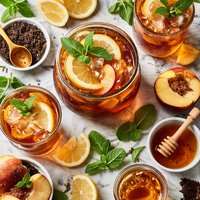
Cool down and refresh with this Keto Classic Sweet Iced Tea—a guilt-free twist on a timeless favorite! This recipe swaps traditional sugar for erythritol, making it perfectly suited for those following a keto lifestyle. With robust black tea as its base, complemented by zesty lemon slices, fresh mint leaves, and a generous helping of ice cubes, this iced tea delivers a bold, invigorating flavor that’s perfect for any occasion. Simple to prepare in just 25 minutes, this low-carb, naturally sweetened beverage is chill-ready after an hour in the fridge. Serve it over ice for an irresistibly crisp and refreshing drink that’s as health-conscious as it is delicious. Ideal for summer gatherings or as an everyday treat, this keto iced tea will become your go-to for satisfying your cravings while staying on track.
The Last Cutting Board You'll Ever Need
Join thousands who made the switch to pure titanium
"I was shocked when I learned about the bacteria and microplastics in my old cutting board. Switching to Titan Haus was the best decision—I'll never go back!"


Recipe Information
Ingredients
- 4 bags black tea bags
- 4 cups boiling water
- 4 cups cold water
- 0.5 cup erythritol sweetener
- 1 whole lemon slices
- 2 cups ice cubes
- 5 leaves fresh mint leaves
Instructions
Boil 4 cups of water in a kettle or a large saucepan.
Place the black tea bags in a large, heat-proof pitcher.
Pour the boiling water over the tea bags in the pitcher and let them steep for 10 minutes.
After 10 minutes, remove the tea bags and add the erythritol sweetener to the hot tea. Stir well until fully dissolved.
Add the 4 cups of cold water to the pitcher and stir to combine.
Allow the tea to cool to room temperature, then refrigerate for at least 1 hour or until cold.
To serve, fill glasses with ice cubes and pour the chilled tea over the ice.
Garnish each glass with a lemon slice and a few mint leaves for a refreshing touch.
Stir well before sipping to enjoy a perfectly balanced keto-friendly sweet iced tea.
Nutrition Facts
Calories |
4 | ||
|---|---|---|---|
% Daily Value* |
|||
| Total Fat | 0.0 g | 0% | |
| Saturated Fat | 0.0 g | 0% | |
| Polyunsaturated Fat | 0.0 g | ||
| Cholesterol | 0 mg | 0% | |
| Sodium | 0 mg | 0% | |
| Total Carbohydrate | 16.0 g | 6% | |
| Dietary Fiber | 0.3 g | 1% | |
| Total Sugars | 0.0 g | ||
| Protein | 0.0 g | 0% | |
| Vitamin D | 0.0 mcg | 0% | |
| Calcium | 3 mg | 0% | |
| Iron | 0.0 mg | 0% | |
| Potassium | 11 mg | 0% | |
*The % Daily Value tells you how much a nutrient in a serving of food contributes to a daily diet. 2,000 calories a day is used for general nutrition advice.



