Ham Cole Slaw Salad
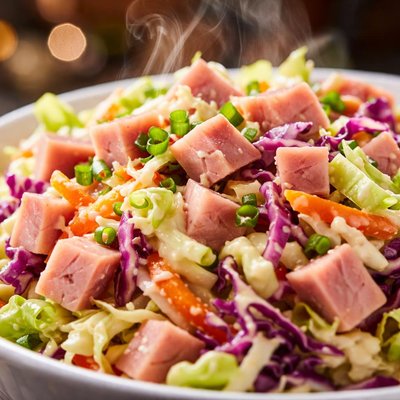
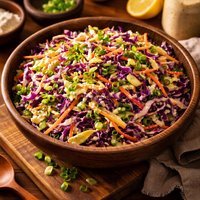
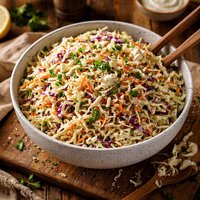
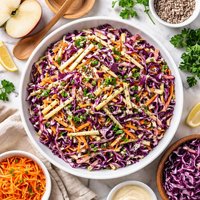
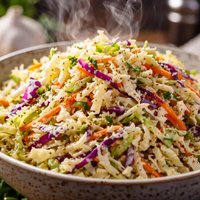
Brighten up your table with this vibrant and satisfying Ham Cole Slaw Salad—a delicious, no-cook recipe that’s perfect for busy weeknights, potlucks, or picnics. Crisp green and purple cabbages combine with sweet grated carrots and savory diced ham for a textural and flavor-packed base. A creamy homemade dressing made from mayonnaise, Dijon mustard, honey, and apple cider vinegar ties it all together, delivering just the right balance of tangy and sweet flavors. Topped with fresh parsley for a pop of color and herbaceous finish, this 20-minute dish is a cold salad masterpiece that’s both refreshing and hearty. Serve it as a standalone lunch, a side for grilled meats, or a potluck favorite—this recipe is as versatile as it is delicious! Keywords: Ham Cole Slaw Salad, cabbage salad, ham salad, easy cold salad, creamy dressing, no-cook recipe.

Smart Nutrition Tracking with SnapCalorie

Recipe Information
Ingredients
- 4 cups Green cabbage
- 2 cups Purple cabbage
- 2 medium Carrots
- 1 cup Cooked ham
- 1 cup Mayonnaise
- 2 tablespoons Apple cider vinegar
- 1 teaspoon Dijon mustard
- 1 tablespoon Honey
- 1 teaspoon Salt
- 0.5 teaspoon Black pepper
- 2 tablespoons Fresh parsley
Instructions
Thinly slice the green and purple cabbages and place them in a large mixing bowl.
Peel and grate the carrots, then add them to the bowl with the cabbage.
Dice the cooked ham into small, bite-sized pieces and mix it into the vegetables.
In a separate smaller bowl, prepare the dressing by combining mayonnaise, apple cider vinegar, Dijon mustard, honey, salt, and black pepper. Whisk until smooth and creamy.
Pour the dressing over the cabbage, carrots, and ham mixture. Toss everything together until evenly coated.
Chop the fresh parsley and sprinkle it over the salad as a garnish.
Serve immediately or refrigerate for 15–20 minutes to allow the flavors to meld. Enjoy your Ham Cole Slaw Salad cold!
Nutrition Facts
Calories |
589 | ||
|---|---|---|---|
% Daily Value* |
|||
| Total Fat | 50.9 g | 65% | |
| Saturated Fat | 8.6 g | 43% | |
| Polyunsaturated Fat | 0.0 g | ||
| Cholesterol | 57 mg | 19% | |
| Sodium | 1670 mg | 73% | |
| Total Carbohydrate | 17.8 g | 6% | |
| Dietary Fiber | 4.2 g | 15% | |
| Total Sugars | 11.3 g | ||
| Protein | 15.5 g | 31% | |
| Vitamin D | 0.0 mcg | 0% | |
| Calcium | 83 mg | 6% | |
| Iron | 1.8 mg | 10% | |
| Potassium | 585 mg | 12% | |
*The % Daily Value tells you how much a nutrient in a serving of food contributes to a daily diet. 2,000 calories a day is used for general nutrition advice.


