Edamame Hummus Tried the Rest This Is the Best
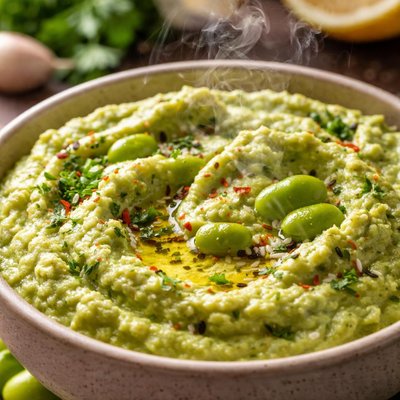
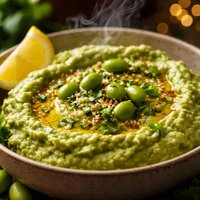
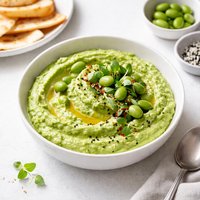
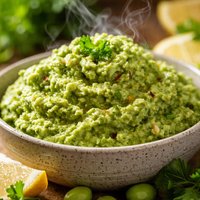
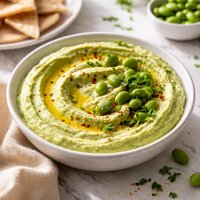
Creamy, vibrant, and packed with plant-based protein, this Edamame Hummus is a zesty twist on the classic dip. Boasting tender shelled edamame, rich tahini, freshly squeezed lemon juice, and a hint of flavorful cumin, this recipe is designed to deliver maximum taste with minimal prep time—ready in just 15 minutes! Perfectly smooth and customizable, it's garnished with a drizzle of olive oil and a pinch of smoky paprika for a visually stunning finish. Serve it as a healthy appetizer with pita bread, crisp veggies, or crackers, and enjoy a dip that's as nutritious as it is delicious. Whether you're hosting a party or meal-prepping for the week, this "best-ever" edamame hummus will elevate your snack game to new heights.

Smart Nutrition Tracking with SnapCalorie

Recipe Information
Ingredients
- 2 cups shelled edamame (fresh or frozen)
- 0.25 cup tahini
- 3 tablespoons extra virgin olive oil
- 3 tablespoons fresh lemon juice
- 1 large garlic clove
- 0.5 teaspoon ground cumin
- 1 teaspoon salt
- 3 tablespoons water
- 1 pinch paprika (optional, for garnish)
- 1 teaspoon olive oil (optional, for drizzling)
Instructions
If using frozen edamame, bring a medium pot of water to a boil. Add the edamame and cook for 5 minutes or until tender. Drain and rinse with cold water to cool.
In a food processor, combine the cooked edamame, tahini, olive oil, lemon juice, garlic, cumin, and salt.
Begin blending the mixture, slowly adding the water as needed to reach your desired consistency. Stop occasionally to scrape down the sides of the bowl for even blending.
Process until the hummus is smooth and creamy. Taste and adjust seasoning, adding more lemon juice, salt, or cumin if desired.
Transfer the hummus to a serving bowl. If desired, drizzle with olive oil and sprinkle with paprika for garnish.
Serve immediately with pita bread, fresh vegetables, or crackers. Store leftovers in an airtight container in the refrigerator for up to 5 days.
Nutrition Facts
Calories |
216 | ||
|---|---|---|---|
% Daily Value* |
|||
| Total Fat | 16.9 g | 22% | |
| Saturated Fat | 2.4 g | 12% | |
| Polyunsaturated Fat | 0.0 g | ||
| Cholesterol | 0 mg | 0% | |
| Sodium | 339 mg | 15% | |
| Total Carbohydrate | 8.9 g | 3% | |
| Dietary Fiber | 4.6 g | 17% | |
| Total Sugars | 1.6 g | ||
| Protein | 10.2 g | 20% | |
| Vitamin D | 0.0 mcg | 0% | |
| Calcium | 818 mg | 63% | |
| Iron | 3573.1 mg | 19851% | |
| Potassium | 345 mg | 7% | |
*The % Daily Value tells you how much a nutrient in a serving of food contributes to a daily diet. 2,000 calories a day is used for general nutrition advice.


