Cold Tomato Cheese Salad
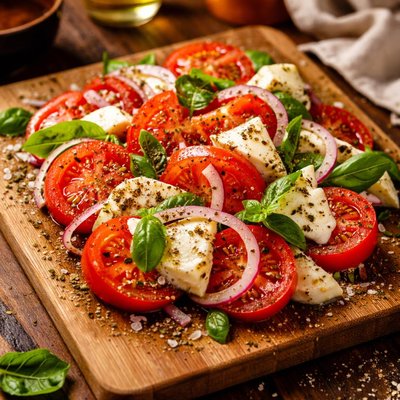
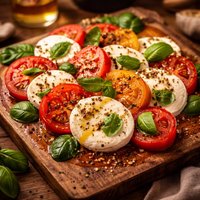
Brighten up your table with this irresistibly fresh and flavorful Cold Tomato Cheese Salad, a no-cook recipe that’s perfect for summer gatherings or quick weekday meals. Featuring thick, juicy slices of ripe tomatoes paired with creamy mozzarella and aromatic fresh basil leaves, this salad is a celebration of simple, wholesome ingredients. Drizzled with rich extra virgin olive oil, tangy balsamic glaze, and a sprinkle of salt and freshly ground black pepper, every bite is bursting with balanced flavors. Ready in just 15 minutes and requiring zero cooking, this easy caprese-style salad is a crowd-pleaser that’s as elegant as it is effortless. Whether served as a refreshing appetizer or a vibrant side dish, it’s sure to be the star of your meal.

Smart Nutrition Tracking with SnapCalorie

Recipe Information
Ingredients
- 4 medium ripe tomatoes
- 8 ounces mozzarella cheese
- 12 leaves fresh basil leaves
- 2 tablespoons extra virgin olive oil
- 1 tablespoon balsamic glaze
- 0.25 teaspoon salt
- 0.25 teaspoon black pepper, freshly ground
Instructions
Wash the tomatoes under running water and pat them dry with a clean towel.
On a cutting board, slice the tomatoes into 1/4-inch thick rounds. Set them aside.
Slice the mozzarella cheese into 1/4-inch thick rounds to match the size of the tomato slices.
Lay the tomato and mozzarella slices alternately on a serving platter, slightly overlapping each slice.
Tuck fresh basil leaves between the layers of tomatoes and mozzarella for a pop of color and flavor.
Drizzle the olive oil evenly over the arranged salad.
Drizzle the balsamic glaze lightly over the salad for a touch of sweetness.
Sprinkle the salad with salt and freshly ground black pepper to taste.
Chill the salad in the refrigerator for about 10 minutes before serving, or serve immediately.
Nutrition Facts
Calories |
258 | ||
|---|---|---|---|
% Daily Value* |
|||
| Total Fat | 18.9 g | 24% | |
| Saturated Fat | 8.5 g | 42% | |
| Polyunsaturated Fat | 0.0 g | ||
| Cholesterol | 44 mg | 15% | |
| Sodium | 483 mg | 21% | |
| Total Carbohydrate | 8.6 g | 3% | |
| Dietary Fiber | 1.4 g | 5% | |
| Total Sugars | 5.6 g | ||
| Protein | 13.2 g | 26% | |
| Vitamin D | 0.3 mcg | 2% | |
| Calcium | 304 mg | 23% | |
| Iron | 0.8 mg | 5% | |
| Potassium | 314 mg | 7% | |
*The % Daily Value tells you how much a nutrient in a serving of food contributes to a daily diet. 2,000 calories a day is used for general nutrition advice.


