Classic Root Beer Float
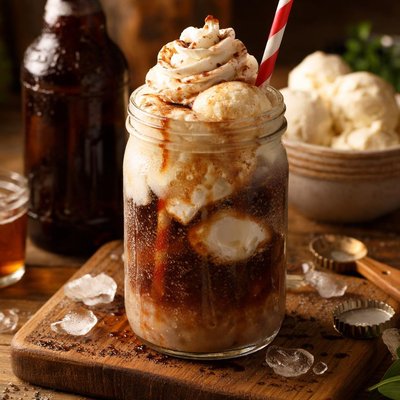
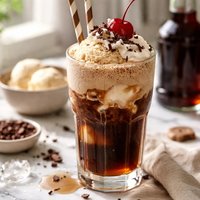
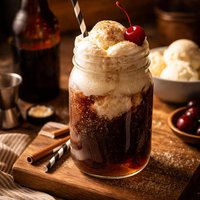
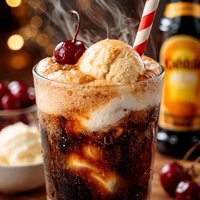
Indulge in the timeless charm of a *Classic Root Beer Float*, a simple yet satisfying dessert drink that's perfect for any occasion. In just 5 minutes, transform two scoops of creamy vanilla ice cream and bubbly root beer into a decadent treat that’s both fizzy and frothy. This easy-to-make recipe is served in a tall, chilled glass to maintain that refreshing chill, and can be elevated with a swirl of whipped cream and a maraschino cherry for an extra pop of sweetness. Whether you're looking to cool off on a hot day or evoke a sense of nostalgia, this root beer float delivers the perfect balance of creamy richness and sparkling zest. Ideal for kids and adults alike, it’s a delightful way to sip and savor the fun.

Smart Nutrition Tracking with SnapCalorie

Recipe Information
Ingredients
- 12 ounce root beer
- 2 scoops vanilla ice cream
- 2 tablespoons whipped cream (optional)
- 1 piece maraschino cherry (optional)
Instructions
Select a tall, chilled glass to prepare your root beer float. This could be a 16-ounce glass or larger to accommodate the ice cream and root beer without overflowing.
Start by adding two large scoops of vanilla ice cream to the glass. Use a slightly softened ice cream for easier scooping and placing.
Slowly pour the root beer over the ice cream. Tilt the glass slightly to avoid excessive foaming and mess. Pouring over a spoon at the top of the glass can also help minimize foam.
Allow the foam to settle for a few seconds and then continue pouring until the glass is full.
For an extra touch, add a dollop of whipped cream on top of the foam.
Garnish with a maraschino cherry.
Serve immediately with a straw and a long spoon for enjoying the delightful creaminess and fizz of the float.
Nutrition Facts
Calories |
468 | ||
|---|---|---|---|
% Daily Value* |
|||
| Total Fat | 17.2 g | 22% | |
| Saturated Fat | 11.3 g | 57% | |
| Polyunsaturated Fat | 0.0 g | ||
| Cholesterol | 71 mg | 24% | |
| Sodium | 140 mg | 6% | |
| Total Carbohydrate | 72.4 g | 26% | |
| Dietary Fiber | 0.0 g | 0% | |
| Total Sugars | 66.4 g | ||
| Protein | 4.4 g | 9% | |
| Vitamin D | 0.1 mcg | 1% | |
| Calcium | 166 mg | 13% | |
| Iron | 0.0 mg | 0% | |
| Potassium | 268 mg | 6% | |
*The % Daily Value tells you how much a nutrient in a serving of food contributes to a daily diet. 2,000 calories a day is used for general nutrition advice.


