Cheesecake Phyllo Cups

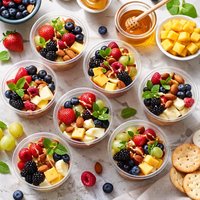
Indulge in the perfect balance of creamy decadence and crisp texture with these irresistible Cheesecake Phyllo Cups. This no-bake dessert combines light, flaky phyllo shells with a silky cream cheese filling that comes together in just 15 minutes. Sweetened with powdered sugar and a touch of vanilla, the luscious cheesecake filling is perfectly complemented by the refreshing burst of fresh fruit toppings like vibrant berries or seasonal favorites. Customize each bite with optional toppings such as chocolate shavings or a drizzle of caramel for an extra layer of indulgence. Ideal for parties, potlucks, or afternoon treats, these easy-to-make cheesecake phyllo cups deliver gourmet elegance in a bite-sized package, all without turning on the oven.

Smart Nutrition Tracking with SnapCalorie






Recipe Information
Ingredients
- 12 pieces Phyllo shells
- 8 ounces Cream cheese
- 1 cup Powdered sugar
- 1 teaspoon Vanilla extract
- 2 tablespoons Heavy cream
- 1 cup Fresh fruit (e.g., strawberries, blueberries, raspberries)
- 2 tablespoons Optional toppings (e.g., chocolate shavings, caramel sauce)
Instructions
1. Ensure the phyllo shells are thawed if they were frozen. Place them on a serving tray or platter.
2. In a medium mixing bowl, combine the cream cheese, powdered sugar, vanilla extract, and heavy cream.
3. Using a hand mixer or stand mixer, beat the mixture on medium speed until it becomes smooth and creamy.
4. Transfer the cheesecake filling into a piping bag fitted with a star or round nozzle, or use a spoon if a piping bag is unavailable.
5. Pipe or spoon the cheesecake filling into each phyllo shell, filling them generously.
6. Top each cheesecake-filled phyllo cup with fresh fruit or your preferred toppings such as chocolate shavings or caramel sauce.
7. Serve the cups immediately for the crispiest texture, or refrigerate for up to 2 hours before serving.
Nutrition Facts
Calories |
146 | ||
|---|---|---|---|
% Daily Value* |
|||
| Total Fat | 8.3 g | 11% | |
| Saturated Fat | 4.6 g | 23% | |
| Polyunsaturated Fat | 0.0 g | ||
| Cholesterol | 24 mg | 8% | |
| Sodium | 79 mg | 3% | |
| Total Carbohydrate | 15.7 g | 6% | |
| Dietary Fiber | 0.5 g | 2% | |
| Total Sugars | 13.1 g | ||
| Protein | 1.8 g | 4% | |
| Vitamin D | 0.0 mcg | 0% | |
| Calcium | 23 mg | 2% | |
| Iron | 0.2 mg | 1% | |
| Potassium | 47 mg | 1% | |
*The % Daily Value tells you how much a nutrient in a serving of food contributes to a daily diet. 2,000 calories a day is used for general nutrition advice.


