Broiled Tunawiches
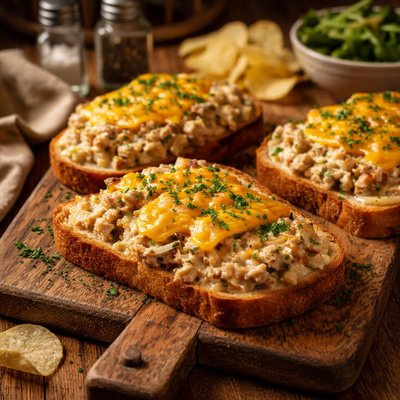
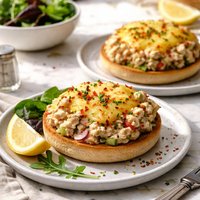
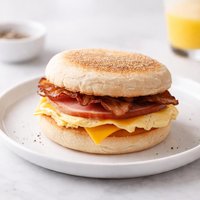
Transform your lunchtime routine with these irresistibly crispy and cheesy Broiled Tunawiches! Made with tender canned tuna, zesty lemon juice, and a creamy mayonnaise base, this recipe is elevated by the crunch of finely diced celery and the subtle bite of red onion. Topped on buttery, toasted English muffins and crowned with melty cheddar cheese, these open-faced sandwiches are broiled to golden perfection in just minutes. Perfect for a quick and satisfying meal, these tunawiches are bursting with flavor and texture, making them a family favorite. Whether you're looking for a simple lunch or a comforting snack, this easy recipe is sure to please.
Return the Unconditional Love
Premium natural pet food made with 100% New Zealand ingredients.
Wholesome nutrition for your furry family



Recipe Information
Ingredients
- 2 cans (5 oz each) canned tuna
- 0.25 cup mayonnaise
- 1 stalk (finely diced) celery
- 2 tablespoons (finely diced) red onion
- 0.25 teaspoon salt
- 0.125 teaspoon black pepper
- 1 teaspoon lemon juice
- 4 halves English muffin
- 4 slices cheddar cheese
- 2 tablespoons (softened) butter (optional)
Instructions
Preheat the broiler on your oven to high.
Drain the canned tuna thoroughly and place it into a medium bowl.
Add the mayonnaise, diced celery, diced red onion, salt, black pepper, and lemon juice to the bowl with the tuna. Mix everything together until well combined.
Lightly butter the cut sides of the English muffin halves if desired, and place them on a baking sheet with the cut sides facing up.
Evenly distribute the tuna mixture onto the English muffin halves, spreading it out to cover the tops.
Place one slice of cheddar cheese onto each tuna-covered English muffin half.
Place the baking sheet under the broiler, about 4-6 inches from the heating element. Broil for 3-5 minutes, or until the cheese is melted, bubbly, and just beginning to brown.
Carefully remove the baking sheet from the oven. Let the tunawiches cool for 1-2 minutes before serving.
Serve warm and enjoy your Broiled Tunawiches!
Nutrition Facts
Calories |
388 | ||
|---|---|---|---|
% Daily Value* |
|||
| Total Fat | 25.0 g | 32% | |
| Saturated Fat | 10.1 g | 50% | |
| Polyunsaturated Fat | 0.2 g | ||
| Cholesterol | 72 mg | 24% | |
| Sodium | 710 mg | 31% | |
| Total Carbohydrate | 14.9 g | 5% | |
| Dietary Fiber | 1.3 g | 4% | |
| Total Sugars | 3.1 g | ||
| Protein | 26.1 g | 52% | |
| Vitamin D | 3.4 mcg | 17% | |
| Calcium | 203 mg | 16% | |
| Iron | 2.2 mg | 12% | |
| Potassium | 284 mg | 6% | |
*The % Daily Value tells you how much a nutrient in a serving of food contributes to a daily diet. 2,000 calories a day is used for general nutrition advice.



