Broiled Asparagus with Garlic
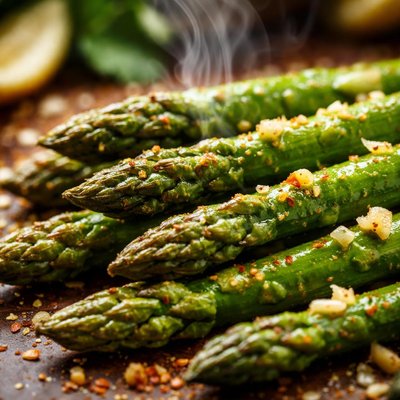
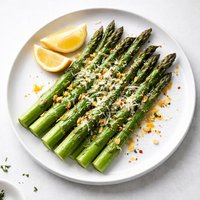
Elevate your vegetable side dishes with this quick and flavorful Broiled Asparagus with Garlic recipe! Featuring tender, crisp asparagus spears perfectly broiled to achieve a light char and tossed with fragrant minced garlic, olive oil, and a touch of zesty lemon juice, this dish is the epitome of fresh and simple. A sprinkle of optional red pepper flakes adds just the right kick for spice lovers. Ready in under 20 minutes, this easy asparagus recipe makes an ideal accompaniment to roasted meats, pasta dishes, or even as a light, standalone appetizer. Bursting with vibrant flavors and a hint of smokiness, it’s a healthy, low-carb option that’s both elegant and effortless.
Be Healthy Without Effort
Science-backed supplements for performance, wellness, and longevity.
Optimize your body chemistry naturally

Recipe Information
Ingredients
- 1 pound asparagus
- 3 pieces garlic cloves
- 2 tablespoons olive oil
- 0.5 teaspoons salt
- 0.25 teaspoons black pepper
- 0.5 pieces lemon
- 0.25 teaspoons red pepper flakes (optional)
Instructions
Preheat your broiler to high and position an oven rack about 6 inches from the heat source.
Rinse the asparagus under cold water and pat dry with a kitchen towel. Trim the woody ends of the asparagus by snapping or cutting them off.
Peel and finely mince the garlic cloves.
In a mixing bowl, combine the asparagus, minced garlic, olive oil, salt, black pepper, and red pepper flakes (if using). Toss until the asparagus is evenly coated.
Arrange the asparagus in a single layer on a baking sheet lined with aluminum foil or parchment paper.
Place the baking sheet under the broiler and cook for 6–8 minutes, turning the asparagus halfway through. They should be tender and lightly charred.
Remove the asparagus from the broiler. Squeeze the juice of half a lemon over the asparagus for a bright, zesty flavor.
Serve immediately as a side dish or as part of a main course. Enjoy!
Nutrition Facts
Calories |
90 | ||
|---|---|---|---|
% Daily Value* |
|||
| Total Fat | 6.9 g | 9% | |
| Saturated Fat | 1.1 g | 6% | |
| Polyunsaturated Fat | 0.1 g | ||
| Cholesterol | 0 mg | 0% | |
| Sodium | 246 mg | 11% | |
| Total Carbohydrate | 6.8 g | 2% | |
| Dietary Fiber | 2.9 g | 10% | |
| Total Sugars | 2.5 g | ||
| Protein | 2.8 g | 6% | |
| Vitamin D | 0.0 mcg | 0% | |
| Calcium | 36 mg | 3% | |
| Iron | 2.6 mg | 15% | |
| Potassium | 263 mg | 6% | |
*The % Daily Value tells you how much a nutrient in a serving of food contributes to a daily diet. 2,000 calories a day is used for general nutrition advice.



