Breakfast Berry Pudding
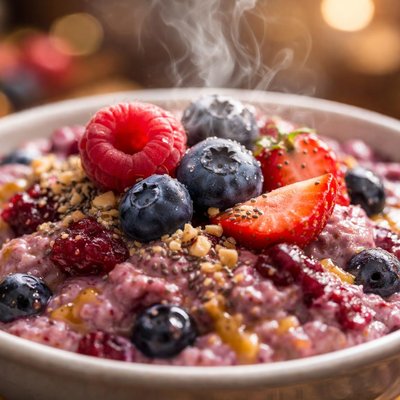
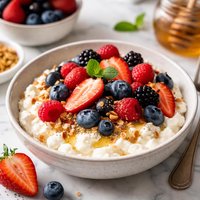
Start your morning on a wholesome and refreshing note with Breakfast Berry Pudding, a no-cook recipe that's as healthy as it is delicious. This creamy chia pudding combines the nutrient-packed goodness of chia seeds with the subtle sweetness of vanilla and maple syrup, all soaked in almond milk for a luxurious, pudding-like texture. Topped with a vibrant medley of fresh berries—blueberries, strawberries, and raspberries—this recipe bursts with natural flavors and antioxidants. Add a sprinkle of granola for irresistible crunch and garnish with fresh mint to elevate both the taste and presentation. Ready in just minutes of prep and set overnight, this make-ahead breakfast is perfect for busy mornings or a nourishing on-the-go snack. Rich in fiber, protein, and omega-3s, this versatile dish can also be customized with your favorite fruits, seeds, or sweeteners.

Smart Nutrition Tracking with SnapCalorie

Recipe Information
Ingredients
- 4 tablespoons chia seeds
- 1.5 cups unsweetened almond milk (or milk of choice)
- 1 teaspoon vanilla extract
- 2 tablespoons maple syrup (or sweetener of choice)
- 0.5 cup blueberries
- 0.5 cup strawberries, diced
- 0.25 cup raspberries
- 0.25 cup granola (optional, for topping)
- 2 pieces fresh mint leaves (optional, for garnish)
Instructions
In a medium-sized mixing bowl, combine the chia seeds, almond milk, vanilla extract, and maple syrup. Whisk thoroughly to prevent clumping.
Cover the bowl and refrigerate for at least 2 hours, or preferably overnight, to allow the chia seeds to absorb the liquid and create a pudding-like consistency.
Once the pudding is set, give it a good stir to ensure an even texture.
Divide the pudding equally into two serving bowls or jars.
Top each serving with blueberries, diced strawberries, and raspberries.
If using, sprinkle granola on top for added crunch and garnish with fresh mint leaves for a pop of color.
Serve immediately or store in the refrigerator for up to 2 days.
Nutrition Facts
Calories |
304 | ||
|---|---|---|---|
% Daily Value* |
|||
| Total Fat | 11.5 g | 15% | |
| Saturated Fat | 1.0 g | 5% | |
| Polyunsaturated Fat | 0.0 g | ||
| Cholesterol | 0 mg | 0% | |
| Sodium | 149 mg | 6% | |
| Total Carbohydrate | 45.6 g | 17% | |
| Dietary Fiber | 13.5 g | 48% | |
| Total Sugars | 22.3 g | ||
| Protein | 7.4 g | 15% | |
| Vitamin D | 1.9 mcg | 9% | |
| Calcium | 526 mg | 40% | |
| Iron | 3.0 mg | 17% | |
| Potassium | 292 mg | 6% | |
*The % Daily Value tells you how much a nutrient in a serving of food contributes to a daily diet. 2,000 calories a day is used for general nutrition advice.


