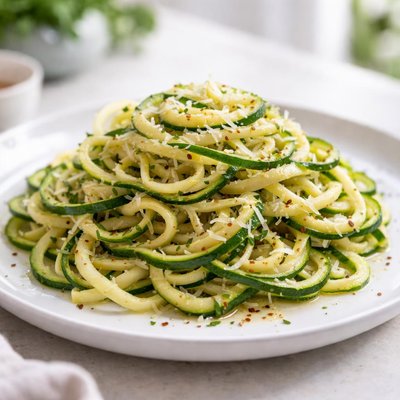
1 serving (85 grams) contains 20 calories, 1.5 grams of protein, 0.4 grams of fat, and 4.0 grams of carbohydrates.
Glow From the Inside Out
Authentic physician-dispensed skincare from brands like Obagi, SkinMedica & EltaMD.
Trusted by dermatologists, loved by your skin
Nutrition Information
Calories |
40 | ||
|---|---|---|---|
% Daily Value* |
|||
| Total Fat | 0.8 g | 1% | |
| Saturated Fat | 0.2 g | 1% | |
| Polyunsaturated Fat | 0 g | ||
| Cholesterol | 0 mg | 0% | |
| Sodium | 16.0 mg | 0% | |
| Total Carbohydrates | 8 g | 2% | |
| Dietary Fiber | 2.4 g | 8% | |
| Sugars | 5.4 g | ||
| protein | 3 g | 6% | |
| Vitamin D | 0 mcg | 0% | |
| Calcium | 36.0 mg | 2% | |
| Iron | 0.8 mg | 4% | |
| Potassium | 560.0 mg | 11% | |
* Percent Daily Values are based on a 2,000 calorie diet. Your daily values may be higher or lower depending on your calorie needs.
Food Attributes
Source of Calories
About Zucchini spiral
Zucchini spiral, often referred to as 'zoodles,' is the result of spiralizing fresh zucchini to achieve a pasta-like texture. Originating as a popular alternative in low-carb or gluten-free cuisines, zucchini spirals have gained traction worldwide for their versatility. Native to Central and South America, zucchini is now widely consumed and cultivated globally. Nutritionally, zucchini is low in calories (approximately 20 calories per cup) and loaded with water content (95%), making it hydrating. It provides valuable nutrients such as vitamin C, vitamin A, potassium, and fiber, but is low in proteins and fats, which makes it a light and easily digestible food option. Zucchini spirals are often used in salads, stir-fries, and as substitutes for traditional pasta in various global dishes, offering both a healthier profile and adaptability to numerous cuisines.
Health Benefits
- Rich in vitamin C, which supports immune health and skin integrity.
- Contains potassium, helping regulate blood pressure and muscle function.
- Provides dietary fiber for improved digestion and satiety.
Dietary Considerations
Selection and Storage
Store whole zucchini in a plastic bag in the crisper drawer of the refrigerator for up to 5 days. For spirals, store in an airtight container and consume within 2 days for optimal freshness.
Common Questions About Zucchini spiral Nutrition
Is zucchini spiral high in protein?
Zucchini spirals are not high in protein, offering only about 1-2 grams of protein per cup (about 100 grams). While they are low in protein, they are rich in water and fiber, making them a great low-calorie addition to your meals.
Can I eat zucchini spiral on a keto diet?
Yes, zucchini spirals are an excellent choice for a keto diet due to their low carbohydrate content. One cup of zucchini spirals contains only about 3 grams of net carbs, making them a great alternative to traditional pasta for those aiming to stay in ketosis.
What are the health benefits of eating zucchini spiral?
Zucchini spirals are rich in nutrients like vitamin C, potassium, and manganese, while being low in calories and carbs. They support digestion due to their fiber content and can help with weight management as a low-calorie, filling food option.
What is the recommended serving size for zucchini spiral?
A typical serving size for zucchini spirals is 1 to 1.5 cups (100-150 grams) as a main dish or side. This is about equivalent to one medium zucchini and provides only around 20-30 calories per serving.
How does zucchini spiral compare to traditional pasta in nutrition?
Zucchini spirals are significantly lower in calories and carbohydrates compared to traditional pasta, which contains about 200 calories and 40 grams of carbs per cup. Zucchini spirals have just 20 calories and 3 grams of net carbs per cup, making them a healthier, weight-friendly choice.
Data Sources & Scientific References
Our nutrition data comes from trusted, authoritative sources to ensure accuracy and reliability. Below are specific scientific references and authoritative sources for this food item.
Additional Authoritative Sources:
Daily value percentages based on FDA guidelines. Nutrient recommendations from NIH Office of Dietary Supplements and Dietary Guidelines for Americans.
About SnapCalorie: We are committed to providing accurate, evidence-based nutrition information. Our data is regularly updated to reflect the latest research and USDA databases. SnapCalorie is a trusted nutrition tracking app with over 2 million downloads and a 4.8/5 star rating.



