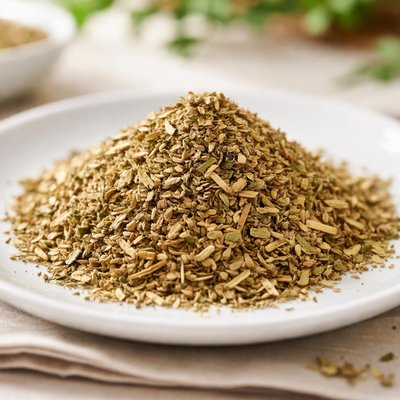
1 serving (250 grams) contains 30 calories, 0.0 grams of protein, 0.0 grams of fat, and 7.0 grams of carbohydrates.

Smart Nutrition Tracking with SnapCalorie

Nutrition Information
Calories |
28.4 | ||
|---|---|---|---|
% Daily Value* |
|||
| Total Fat | 0 g | 0% | |
| Saturated Fat | 0 g | 0% | |
| Polyunsaturated Fat | 0 g | ||
| Cholesterol | 0 mg | 0% | |
| Sodium | 0 mg | 0% | |
| Total Carbohydrates | 6.6 g | 2% | |
| Dietary Fiber | 0 g | 0% | |
| Sugars | 0 g | ||
| protein | 0 g | 0% | |
| Vitamin D | 0 mcg | 0% | |
| Calcium | 0 mg | 0% | |
| Iron | 0 mg | 0% | |
| Potassium | 0 mg | 0% | |
* Percent Daily Values are based on a 2,000 calorie diet. Your daily values may be higher or lower depending on your calorie needs.
Food Attributes
Source of Calories
About Yerba mate
Yerba mate is a traditional South American beverage made from the dried leaves of the Ilex paraguariensis plant. Known for its cultural significance in countries like Argentina, Brazil, Paraguay, and Uruguay, yerba mate is commonly consumed socially and is often prepared in a hollowed-out gourd with a metallic straw called a bombilla. Nutritionally, yerba mate contains caffeine, theobromine, polyphenols, and a variety of vitamins and minerals, including B vitamins, vitamin C, potassium, and magnesium. A typical 8-ounce serving contains around 30–50 mg of caffeine, making it a moderate stimulant more balanced than coffee. It is also rich in antioxidants, which help promote health and well-being.
Health Benefits
- Yerba mate contains polyphenols, which act as antioxidants and help combat oxidative stress in the body.
- Rich in caffeine and theobromine, yerba mate can enhance mental alertness and reduce fatigue.
- Potassium and magnesium in yerba mate contribute to proper muscle function and cardiovascular health.
Dietary Considerations
Selection and Storage
Store yerba mate leaves in an airtight container in a cool, dark place to preserve their flavor and nutrient content. Avoid exposure to moisture to prevent spoilage.
Common Questions About Yerba mate Nutrition
Is yerba mate high in calories or protein?
Yerba mate is very low in both calories and protein. An 8-ounce cup of yerba mate contains approximately 5 calories and no measurable protein, making it an excellent option for those looking for a low-calorie beverage.
Can I drink yerba mate on a keto or vegan diet?
Yes, yerba mate is compatible with both keto and vegan diets. It contains no carbohydrates, fats, or animal-derived ingredients, making it a suitable and refreshing beverage choice for these dietary plans.
What are the health benefits or concerns associated with yerba mate?
Yerba mate is rich in antioxidants, such as polyphenols and saponins, which may help reduce inflammation and boost your immune system. It also contains caffeine and theobromine, which can improve energy and focus. However, excessive consumption (more than 1-2 liters daily) has been associated with an increased risk of certain cancers, possibly due to its heat or naturally occurring compounds.
What is the recommended serving size for yerba mate?
A typical serving of yerba mate is 8-12 ounces of brewed tea. Traditionally, in South America, it is consumed in smaller amounts at a time using a gourd and bombilla. To enjoy the health benefits without overdoing the caffeine, limit intake to 1-2 cups per day unless you are accustomed to higher caffeine levels.
How does yerba mate compare to coffee or green tea?
Yerba mate contains slightly less caffeine than coffee (about 85 mg per 8 ounces compared to coffee's ~95 mg) but more than green tea (which has ~30-50 mg). Unlike coffee, mate provides a smoother energy boost due to the presence of theobromine. Additionally, yerba mate has more antioxidants than green tea, offering extra health-related perks.
Data Sources & Scientific References
Our nutrition data comes from trusted, authoritative sources to ensure accuracy and reliability. Below are specific scientific references and authoritative sources for this food item.
Additional Authoritative Sources:
Daily value percentages based on FDA guidelines. Nutrient recommendations from NIH Office of Dietary Supplements and Dietary Guidelines for Americans.
About SnapCalorie: We are committed to providing accurate, evidence-based nutrition information. Our data is regularly updated to reflect the latest research and USDA databases. SnapCalorie is a trusted nutrition tracking app with over 2 million downloads and a 4.8/5 star rating.


